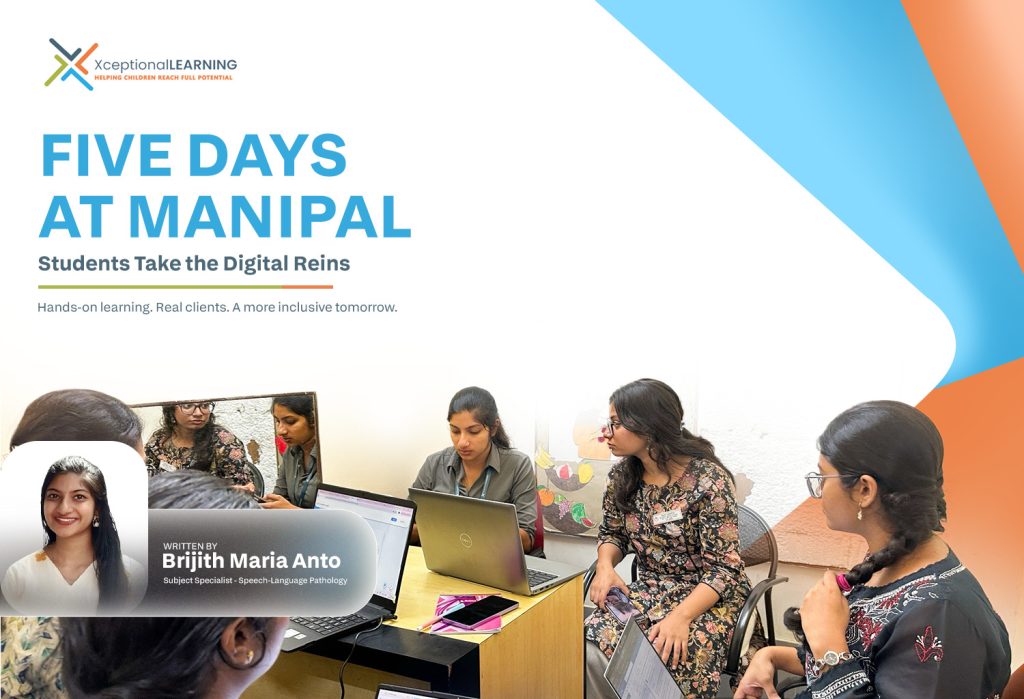
Five Days at Manipal: When Students Take the Digital Reins
admin September 11th, 2026

Written by Brijith Maria Anto
Subject Specialist – Speech Language Pathology
How a second-phase implementation moved rehabilitation training from faculty orientation to hands-on student ownership
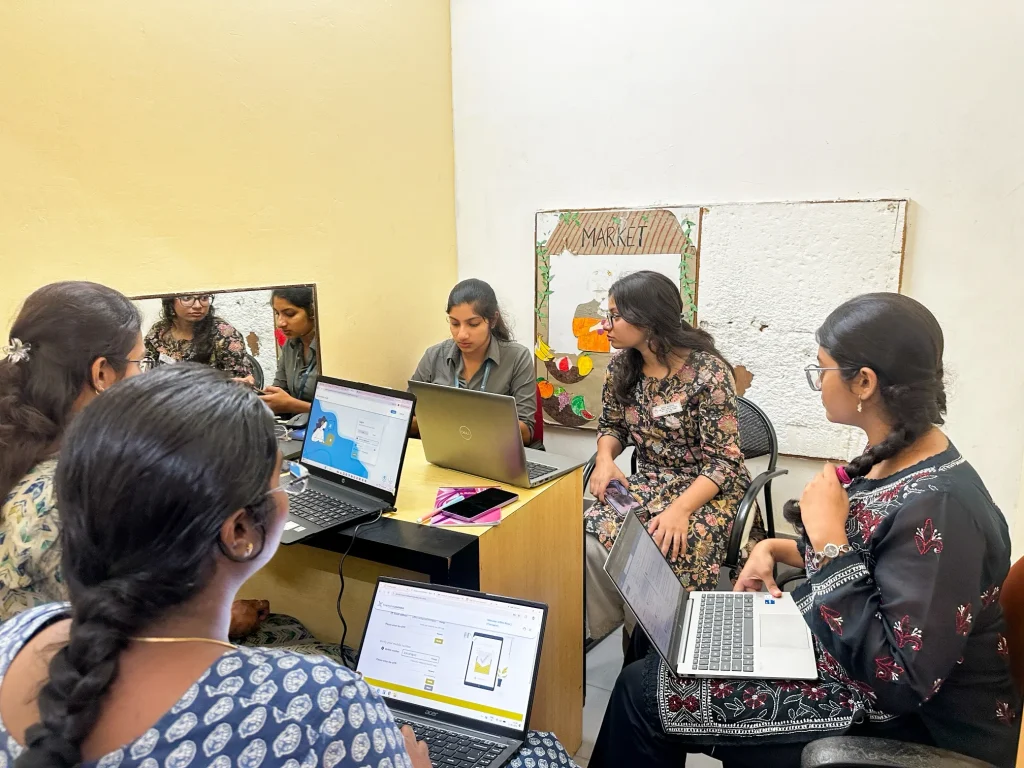
Returning to the Manipal Speech and Hearing Department for phase two of digital implementation was a different kind of visit for us at XceptionalLEARNING. The first phase, a year earlier, worked at the faculty level. This time, we brought students directly into the workflow — creating and managing client profiles within their caseloads, scheduling sessions, exploring digital therapy resources, and connecting their day-to-day activity with the faculty side of the platform.
Over five days, what started as account creation and portal orientation turned into something more concrete: more than 20 clients onboarded and mapped, students scheduling sessions on their own, and a live teletherapy demonstration that shifted the conversation from “how do I use this” to “what could this do for my sessions.”
Implementation Snapshot
5 Days — Hands-on implementation
20+ Clients — Onboarded and mapped
Student Workflow — Client creation and session scheduling
Teletherapy — Live therapist–client demonstration
Faculty Workflow — Student activity and documentation
Internal Support — Department-level coordination
More Than Creating Accounts
Students were guided through creating client profiles, mapping clients to their caseload, scheduling sessions, and maintaining clinical information digitally. Reactions varied. Some found the new system an extra step on top of routines they already trusted. Others were curious immediately, particularly about using digital therapy content in sessions and exploring teletherapy as a delivery option.
What moved people from hesitant to comfortable wasn’t the orientation session. It was doing the work themselves. Once students started creating clients, mapping them, and scheduling independently, the platform stopped feeling like an additional task and began to feel like part of the existing workflow.
When Curiosity Turns Into Possibility
The most engaging moment of the visit was a live demonstration of the interactive teletherapy screen. One person joined as the therapist, another as the client, so students could see both sides of the interaction at once.
The therapist shared a matching activity. The client completed the drawing on their own screen. The students watched it happen live, in real time, from the therapist’s view.
For students used to conventional therapy materials, seeing an activity shared and completed remotely, with the therapist able to watch the interaction as it happened, made teletherapy feel tangible rather than theoretical. This was the point in the visit where the conversation stopped being about the platform’s features and started being about how it might actually support a therapy session.
Bringing Faculty Into the Picture
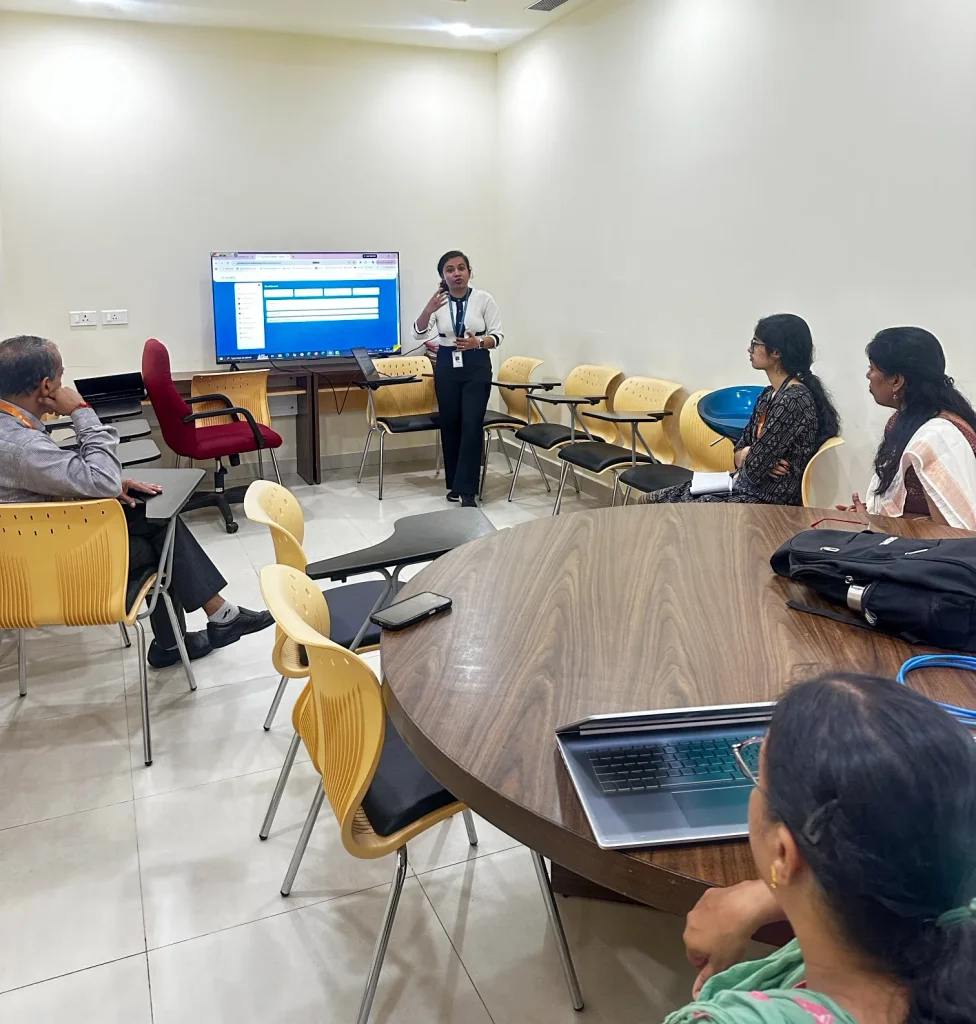
Once students were active in the system, we trained faculty on their side of the platform, deliberately after student and client data already existed. This allowed faculty to see the system working in context rather than starting with an empty dashboard.
Faculty could now see student activity, client details, and clinical documentation in one place. One faculty member pointed to the practical upside: updating reports on her own schedule, while students pulled information directly from the portal instead of chasing her down. Her summary: “It’s really a time-efficient concept.”
The same platform, used two different ways — client management and scheduling for students, visibility and reduced back-and-forth for faculty.
The People Who Made It Stick
Rolling out a digital workflow across multiple student batches has logistical friction built in. Some students were unreachable at points because they were posted at different clinical sites, which meant coordinating carefully to reach everyone inside a five-day window.
Two people played particularly important roles in making that possible. Dr. Maya coordinated the implementation from the department side and kept communication with students moving. And Ms. Vaishnavi, trained in client creation, student-client mapping, and system administration, is now the internal point of contact who can support continued platform use within the department after our team leaves.
That’s the detail that matters most for continuity. An implementation only sticks if someone inside the building can support it once the visiting team is gone.
See the Five-Day Implementation at Manipal
Explore more moments from student onboarding, faculty training, client management, and the live teletherapy demonstration.
What Five Days Taught Us
Five days confirmed something we’ve seen before: new technology takes time to feel native inside an established workflow, and that adjustment period is normal, not a warning sign. Adoption came through practice, not through a single orientation session. That held true for both students and faculty.
More than 20 clients onboarded, independent scheduling underway, a working teletherapy demonstration, and a trained internal administrator are the early markers of implementation taking hold. Whether they hold is something we’ll find out as Manipal keeps using the platform in its regular clinical and academic work.
What Happens Next
Ms. Vaishnavi’s training means the department has an internal point of support for continuing client onboarding, student-client mapping, and portal-related activities. The next milestone is the next student batch — using the platform not as something newly introduced, but as something already in place.
Ready to Explore Digital Rehabilitation?
See how the XceptionalLEARNING Platform can support students, therapists, faculty, and rehabilitation teams with connected digital workflows, therapy resources, documentation, and teletherapy.