Attending and presenting at the National Seminar on Telepractice in Speech-Language Pathology and Audiology, hosted by the All India Institute of Speech and Hearing (AIISH), Mysuru, on February 5–6, 2026, was an incredibly meaningful and professionally enriching experience. As a clinician deeply invested in integrating technology with therapeutic practice, this opportunity allowed me to share our work, engage with fellow professionals, and contribute to important discussions on the future of telepractice in communication sciences.
AIISH is widely respected for its academic excellence, clinical rigor, and pioneering contributions to speech and hearing sciences. Being part of a national platform organized by such a prestigious institution was both an honor and a responsibility. The seminar brought together clinicians, researchers, academicians, and students from across India, all working toward a common goal—improving access, efficiency, and therapy outcomes through telepractice and digital innovation. AIISH’s strong emphasis on evidence-based practice made the discussions around measurable therapy outcomes especially relevant to our work.
My Presentation: Therapy Advancements through Tech-Enabled Interventions
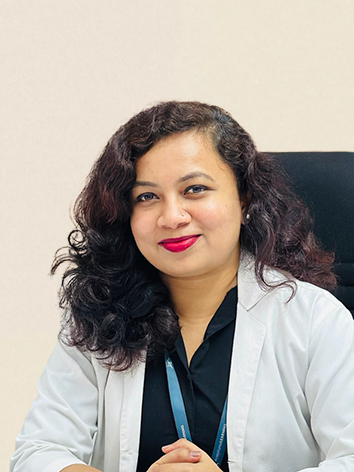
As the Senior Subject Specialist, I presented a session titled:
“Therapy Advancements through Tech-Enabled Interventions: Case Studies and Outcomes-Based Evidence.”
During this 30-minute session, I demonstrated how structured digital platforms, therapy software, and assistive hardware can significantly enhance therapy delivery, improve patient engagement, and provide objective, measurable outcomes.
Drawing from real clinical case studies, I explained how technology-enabled interventions helped improve therapy efficiency, patient participation, and continuity of care across both in-person sessions and telepractice settings. A key focus of the presentation was showing how clinicians can systematically track progress, personalize therapy plans, and make data-driven clinical decisions when digital tools are integrated into everyday practice.
The session was followed by an engaging discussion where participants raised thoughtful questions about clinical effectiveness, implementation in institutional settings, usability, and outcome measurement.
Demonstrating XceptionalLEARNING’s Clinical and Technology Ecosystem
In addition to the presentation, I demonstrated XceptionalLEARNING’s integrated clinical ecosystem, including the XL Portal software, XL Marketplace therapy resources, and the VergeTAB digital therapy device.
Through live demonstrations and real case examples, I showed how clinicians can conduct assessment, therapy planning, intervention, and progress monitoring within a structured digital workflow.
Participants could clearly see how:
- Assessment data flows directly into therapy planning
- Therapy sessions are executed in a distraction-free environment using VergeTAB
- Progress, performance metrics, and outcomes are tracked and documented through XL Portal
I explained how this setup effectively supports individuals with:
- Speech sound disorders
- Language delays
- Fluency disorders
- Hearing impairment
- Cochlear implant rehabilitation
- Central Language Disorders (CLD)
Many clinicians appreciated how the combination of software intelligence and dedicated therapy hardware creates a therapy-focused environment that enhances efficiency while maintaining high standards of patient care. The discussion reinforced the idea that technology is not a replacement for clinical expertise, but a powerful tool that strengthens therapeutic effectiveness and consistency.
Positive Response and Future Collaboration Opportunities
One of the most encouraging outcomes of the seminar was the positive response from AIISH faculty and clinical teams. They were particularly interested in how our solutions align with clinical principles while delivering measurable therapy outcomes in real-world settings.
I was especially encouraged to learn that the institute is considering implementing this system within their Cochlear Implant and Central Language Disorder (CLD) departments. Knowing that our work has the potential to support such a renowned institution and benefit their patients was deeply motivating.
Reflections on Telepractice and Innovation in Speech Therapy
Telepractice is rapidly becoming an essential component of modern speech and hearing rehabilitation, particularly in improving access to specialized therapy services. Through both clinical practice and digital therapy implementation, I have witnessed how technology can bridge gaps, improve therapy consistency, and empower clinicians with objective data for decision-making.
This seminar reaffirmed my belief that technology-enabled therapy is not merely a trend, but a necessary evolution in speech-language pathology and audiology. When used effectively, digital tools enhance clinical judgment, patient engagement, and measurable progress tracking.
The interactions with professionals, researchers, and students were equally inspiring and reinforced the importance of collaboration in advancing telepractice and rehabilitation sciences.
A Meaningful Professional Milestone
Presenting our work at a national seminar hosted by AIISH and receiving such thoughtful engagement from the audience was a significant milestone in my professional journey. It strengthened my commitment to research, innovation, and clinical excellence in technology-enabled therapy.
I remain passionate about developing and implementing solutions that empower clinicians and improve therapy outcomes for individuals with communication disorders.
This seminar was not just a presentation opportunity—it was a meaningful step toward shaping the future of therapy through innovation, evidence-based practice, and a shared vision of improving communication healthcare.
To learn more about how these technology-enabled therapy solutions can be implemented in your clinical or institutional setup, feel free to contact our team or reach out to us on WhatsApp for a quick discussion and demo. You can also explore the event gallery AIISH Telepractice Seminar, Mysuru – 2026 to view highlights from the session.