
Online vs Offline Therapy for Children: Why Progress Is Slow and What Actually Works

Reading Time: 4 minutes

Clinically Reviewed by

Meha P. Parekh
Special Educator

Introduction: “We’re Doing Therapy… So Why Isn’t My Child Improving?”

You’re attending therapy regularly.
You’re following every instruction.
You’re doing everything you can as a parent.

But deep down, one question keeps coming back:

“Why isn’t my child improving?”

Progress feels slow.
Results feel unclear.
And doubt starts creeping in.

  •  Are we choosing the wrong therapy? 
  •  Should we switch from offline to online—or the other way around? 

Here’s the truth most people won’t tell you:

Therapy Is Rarely the Problem — The Support System Around It Matters Most

If your child isn’t improving, it’s usually not about online vs offline therapy—
It’s about what happens between sessions.

Quick Summary

  • Therapy alone (online or offline) is not enough 
  • Lack of daily structured practice slows progress 
  • Online therapy improves consistency and tracking 
  • Offline therapy supports hands-on development 
  • A structured hybrid approach delivers the best results

How to Know If Your Child’s Therapy Is Actually Working

Before switching therapy types, ask yourself:

  •  Is my child improving week by week
  •  Do we follow a structured routine at home
  •  Can I clearly track progress
  •  Does therapy continue beyond sessions

If your answer is “No” to even 2 of these
The issue is not therapy type. It’s the lack of a system.

Not Seeing Progress? Let’s Fix That

The Real Problem: Therapy Happens Only a Few Hours a Week

Most children attend therapy:

  •  2–3 sessions per week 
  •  30–60 minutes each 

That’s less than 5% of their total time.

But learning doesn’t happen in isolated sessions.

It happens:

  •  During daily routines 
  •  Through repetition 
  •  In small, consistent moments 

If therapy stops after the session ends, progress slows down—no matter how good the therapist is.

Why Therapy Is Not Working for Many Children

Let’s address the real issue clearly.

Children don’t improve when:

  •  Practice is inconsistent 
  •  There is no structured home routine 
  •  Progress is not tracked 
  •  Therapy is disconnected from daily life 

Therapy isn’t failing. The structure is missing.

Understanding Online Therapy (What’s Changed Today)

Online therapy today is not just video calls—it’s a structured system.

Platforms like XceptionalLEARNING enable:

  •  Guided therapy programs 
  •  Interactive Digital Activity Books 
  •  Therapy videos for daily practice 
  •  Progress tracked the platform dashboard

This transforms therapy into a continuous learning process, rather than a weekly activity. Platforms like XceptionalLEARNING offer structured digital therapy programs that help children practice consistently at home and show measurable improvement.

See how structured therapy actually improves real outcomes

Explore how therapy, tracking, and daily practice work together
Revolutionary Change in Rehabilitation | XceptionalLEARNING’s Digital Therapy Platform

Ready to see real progress for your child?

Why Online Therapy Works So Well

  • Consistency → No travel = fewer missed sessions 
  • Engagement → Interactive tools keep children involved 
  • Measurable Progress → Clear tracking for parents 
  • Home Integration → Therapy continues daily

Limitations of Online Therapy

Let’s be practical:

  •  Requires internet access 
  •  Younger children need parental involvement 
  •  Limited physical interaction 

Powerful—but not complete on its own

Understanding Offline Therapy

Offline therapy includes clinic-based or school-based sessions.

It offers:

  •  Direct therapist interaction 
  •  Hands-on guidance 
  •  Sensory and motor skill support 
  •  Controlled environment

Where Offline Therapy Works Best

  •  Motor skill development 
  •  Sensory integration 
  •  Severe developmental conditions 
  •  Initial assessments

The Hidden Problem with Offline Therapy

Even though it’s effective:

  •  Sessions are limited 
  •  Travel can disrupt consistency. 
  •  No structured continuation at home 

This creates a critical gap between sessions.

Online vs Offline Therapy: What Actually Matters

AspectOnline TherapyOffline Therapy
AccessibilityFrom homeRequires travel
FlexibilityHighFixed schedules
CostMore affordableHigher
EngagementInteractive toolsTherapist-led
Progress TrackingData-drivenLimited/manual
Physical SupportLimitedStrong
ConsistencyEasierOften disrupted
Online vs offline therapy: key differences at a glance.

Quick reflection:
Which side does your child fall into right now?

  •  Mostly consistent 
  •  Mostly inconsistent 

That answer matters more than the therapy type.

What Actually Works: The Hybrid + Structured Approach

The most effective model today combines:

  • Online therapy → daily structure and engagement 
  • Offline therapy → hands-on support 
  • Home practice → consistency 

Together, this creates real, measurable progress.

What Therapists Consistently Observe

Children who follow daily structured practice (even 20 minutes) improve significantly faster than those relying only on weekly sessions.

Consistency beats intensity—every time.

Real Example: What Changes Everything

A 4-year-old with speech delay attended therapy twice a week for 6 months.

Progress: Minimal

Then one change was introduced:

  •  20 minutes of structured daily practice at home 
  •  Guided activities + therapy videos 

Within 8–10 weeks:

  •  Vocabulary improved 
  •  Response time increased. 
  •  Engagement became stronger. 

The therapy didn’t change.
The system did.

How Technology Is Improving Therapy Outcomes

Modern therapy now includes:

  •  Digital Activity Books 
  •  Guided therapy videos 
  •  Real-time progress dashboards 
  •  Structured learning paths 

This reduces guesswork and helps parents stay consistent.

The Hardest Part: Consistency at Home

This is where most parents struggle.

  •  Busy schedules 
  •  Lack of guidance 
  •  Child losing focus 

This is exactly where tools like VergeTAB help.

Where VergeTAB Makes a Real Difference

  •  Distraction-free environment 
  •  Structured and controlled therapy activities 
  •  Goal-based learning system 
  •  Seamless integration with XceptionalLEARNING Platform

Children:

  •  Stay focused longer 
  •  Engage better 
  •  Show more consistent improvement

Watch how structured therapy creates real progress

See the transformation in action
From Struggles to Success: How VergeTAB Transformed My Client’s Therapy | Chinnu Thomas, SLP

Ready to see this for your child?

Frequently Asked Questions

Is online therapy effective for children with speech delay or autism?

Yes—especially when combined with structured daily practice and guided activities. 

Can online therapy replace offline therapy?  

Not completely. A hybrid approach delivers better results. 

Why is my child not improving in therapy?  

In most cases, it’s due to a lack of consistency and structured practice between sessions.

How can I improve therapy results at home?

By introducing daily guided activities, tracking progress, and maintaining a routine.

How long does it take to see results?

With consistent practice, improvements are usually visible within a few months.

Conclusion: It’s Not About Online vs Offline—It’s About What Works

If your child’s progress feels slow, the issue is rarely the therapy method.

The real challenges are:

  •  Lack of structure 
  •  Lack of consistency 
  •  Lack of continuity between sessions 

When therapy becomes:

  •  Structured 
  •  Continuous 
  •  Measurable 

Progress becomes visible—and faster.

Take the Next Step

You don’t need more therapy. You need a better system.

Start by:

  •  Identifying what’s missing 
  •  Fixing the gap 
  •  Creating a structured routine

Ready to See Real Progress?

The Three Es: Engagement, Empathy, and Empowerment in Hybrid Therapy

Reading Time: 5 minutes

Clinically Reviewed by

Shilna S

Hybrid Rehabilitation Social Worker

Are you a rehabilitation therapist finding it difficult to navigate the increasingly digital landscape? You may have come across the term, or even tried your hand at hybrid therapy, where in-person care blends seamlessly with digital tools, but transitioning into that sphere is more easily said than done. 

Hybrid therapy has emerged as one of the most effective approaches in modern therapeutic practice. But this model, contrary to popular belief, is much more than just a mix of offline and online formats. It is a blend of heart, connection, and strategy, and requires an effective use of the Three Es—Engagement, Empathy, and Empowerment.

These principles are not abstract ideals; they are actionable pillars that can transform the therapeutic experience for children, adults, and families. Let’s explore each in depth, with practical examples, applications, and real benefits.

Engagement 

In hybrid therapy, Engagement is not just about keeping someone’s attention for 30 minutes; it’s about making them want to be there. It is the foundation of any successful therapy process. Without it, progress slows, motivation fades, and sessions risk becoming a checklist rather than a meaningful journey. When clients—especially children—are actively engaged, they are more likely to:

  • Participate willingly in activities
  • Retain skills learned during sessions
  • Transfer those skills into everyday life
Practical Strategies for Engagement  
  1. Personalizing Activities
    • Hybrid therapy allows for a high level of customization. For example:
      • A speech therapist can send a digital storybook to read together in the online session, then have the child bring a physical property to the in-person session.
      • Occupational therapy can integrate gamified exercises that match the client’s hobbies.
  2. Multi-Sensory Tools
    • The blend of physical materials and digital platforms offers a chance to engage multiple senses:
      • Visual: Animated instructional videos
      • Auditory: Voice prompts and sound effects
      • Tactile: Hands-on exercises with real objects
  3. Interactive Technology
    • Platforms with real-time feedback, such as virtual whiteboards or therapy-specific apps, can make the client feel like an active participant, not a passive observer.
Applications of Engagement  
  1. Pediatric Speech Therapy: Combining digital vocabulary games with real-world role plays to reinforce skills.
  2. Physical Rehabilitation: Using movement tracking apps paired with physical exercises to motivate clients.
  3. Mental Health Counseling: Employing mood-tracking apps for client reflection between sessions.
Benefits of Engagement  
  • Increased attendance and reduced drop-outs
  • Faster skill acquisition
  • Higher satisfaction for both client and therapist
Empathy 

If engagement is the spark, empathy is the fuel that keeps the therapeutic relationship burning. In hybrid therapy, where part of the interaction happens through a screen, empathy must be intentional and visible. It involves deeply understanding and validating a client’s feelings, which is essential for building trust and connection.

Practical Strategies for Empathy  
  1. Active Listening
    • In online sessions: Maintain steady eye contact through the camera; use verbal acknowledgements like “I hear you” or “That sounds challenging.”
    • In in-person sessions: Mirror the client’s expressions subtly to show alignment; use pauses to give space for emotional processing.
  2. Cultural Sensitivity
    • Hybrid therapy can serve clients across regions and cultures, so therapists must be equipped to:
      • Respect different communication styles
      • Adapt examples and exercises to be culturally relevant
  3. Emotional Check-ins
    • Begin each session—online or in-person—with quick emotional scales or mood indicators such as:
      • “What’s one thing that made you feel good today?”
      • “Pick a colour that matches your mood.”
  4. Ensuring Ease
    • Ensure technical quality with good lighting, clear audio, and stable internet
    • Build a connection by starting with an informal conversation
    • Use clear non-verbal cues like nodding and smiling
Applications of Empathy  
  • Adolescent Therapy: Recognizing when a teen’s camera-off request stems from social anxiety, not disinterest.
  • Family Counseling: Acknowledging parents’ stress in managing hybrid schedules.
  • Neurodiverse Clients: Adapt tone and pacing to match individual sensory preferences.
Benefits of Empathy  
  • Builds deep trust, essential for therapeutic progress
  • Reduces resistance and defensiveness
  • Encourages clients to share openly, leading to targeted interventions.
Empowerment 

Empowerment is about giving clients control over their therapeutic journey. In hybrid models, this is easier—if done right—because clients can practice skills both online and offline with guided support.

When clients feel empowered, they:
  • Take ownership of their progress
  • They are more consistent with home exercises
  • Develop self-confidence extending beyond therapy
Practical Strategies for Empowerment  
  1. Collaborative Goal Setting
    • Set goals with clients, not just for them.
    • Example: “Would you like to improve handwriting speed or letter clarity first?”
    • Let children choose practice themes to increase motivation.
  2. Self-Monitoring Tools
    • Digital platforms can provide:
      • Progress trackers
      • Achievement badges
      • Journals to record daily experiences
  3. Gradual Transfer of Responsibility
    • Begin with therapist-led activities
    • Transition to shared responsibility in hybrid tasks
    • Encourage independent practice with periodic feedback
Applications of Empowerment  
  • Adult Physical Therapy: Clients film themselves doing exercises and review videos with therapists.
  • Speech Therapy for Kids: “Home practice kits” combining physical materials and app exercises.
  • Group Counseling: Members lead mini-discussions on coping strategies.
Benefits of Empowerment  
  • Higher long-term success rates
  • Reduced dependency on therapy sessions
  • Stronger carry-over of skills into daily life
Integrating the Three Es

The Three Es—Engagement, Empathy, and Empowerment—work best when integrated rather than isolated. This holistic approach makes therapy interactive, supportive, and client-driven. This will also lead to:

  • Stronger therapeutic alliance
  • Increased therapy adherence
  • Faster and more lasting outcomes
  • Greater access for remote or busy clients
  • More enjoyable and lasting therapy experiences for both clients and therapists

An effective way to integrate these three elements can be outlined as:

  • Engage: Start with an activity the client chooses, combining both physical and digital elements.
  • Empathize: Check in emotionally, validate feelings, and adjust plans accordingly.
  • Empower: End with a self-directed task and clear guidance for practice between sessions.
So how can we adapt this theory into a real-world scenario?

Consider a child in occupational therapy. They might:

  • Start online with a digital sequencing game (Engagement)
  • Express frustration about handwriting—the therapist acknowledges and normalizes the challenge (Empathy)
  • Receive a personalized handwriting challenge to complete at home and record for review (Empowerment)
Applications Across Therapy Fields  
  • Speech Therapy: Interactive games, parent coaching, digital progress tracking
  • Occupational Therapy: Virtual fine-motor training, simulated tasks, remote equipment guidance
  • Mental Health Counseling: Digital mood journals, online companion support, guided mindfulness videos
  • Physical Rehabilitation: Video exercise routines, wearable feedback, virtual home safety assessments
  • Autism & Developmental Therapy: Virtual social skills groups, visual supports, family empowerment
  • Behavioral Therapy: Real-time behavior tracking, empathetic check-ins, self-monitoring tools
  • Cognitive Rehabilitation: Interactive brain exercises, paced sessions, home drills
  • Pediatric Therapy: Play-based online sessions, parent coaching, child comfort focus
In a Nutshell

Hybrid therapy offers more than just convenience—it creates flexible, personalized, and impactful care tailored to each client’s needs. At XceptionalLEARNING, we believe the Three Es—Engagement, Empathy, and Empowerment—are the heart of this transformative approach. Using innovative tools like our Digital Activity Book and specialized therapy services, therapists combine interactive methods with genuine understanding and independence-building strategies to help clients truly progress—not just attend sessions.

If you’re seeking hybrid therapy services or want to connect with licensed therapists online, we provide a seamless experience that supports growth and progress. To learn more or get started, contact us today and discover how our platform can empower your therapy journey with expert guidance and cutting-edge resources.

How Teletherapy is Improving Outcomes for Children with Cochlear Implants

Reading Time: 4 minutes
jayalakshmi

Clinically Reviewed by

Ms. Jaya Lakshmi P B

Assistant Professor & Tele-Rehabilitation In-Charge (SLP), MERF-ISH

Cochlear implants (CIs) have transformed the lives of children with hearing loss, enabling them to perceive sound and engage with their environments. However, the journey to effective communication and language development for these children is often complex and ongoing. Teletherapy, a remote therapeutic approach leveraging digital technology, is emerging as a powerful tool in supporting children with cochlear implants and their families. This blog explores how teletherapy enhances outcomes for children with cochlear implants, discussing its benefits, implementation strategies, and the future of this innovative approach.

Understanding Cochlear Implants  
Cochlear Implants: Restoring Sound, Transforming Lives

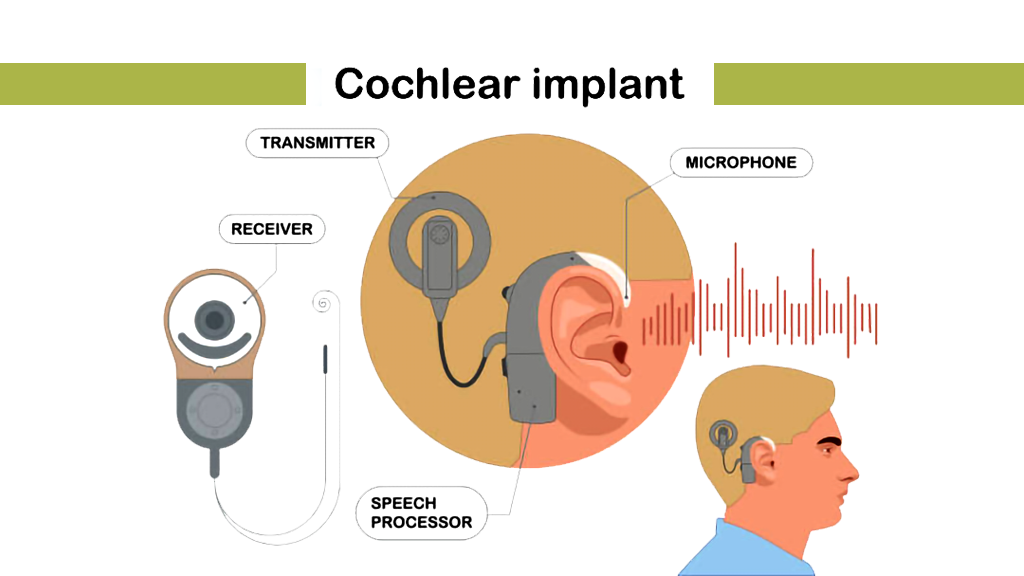
Cochlear implants are medical devices that bypass damaged inner ear cells to directly stimulate the auditory nerve, helping those with severe hearing loss. They consist of an external sound processor that captures and converts sound into digital signals and an internal electrode array placed in the cochlea, which sends these signals to the auditory nerve, enabling the brain to perceive sound. Unlike hearing aids, which amplify sound, cochlear implants provide direct auditory input for individuals with profound hearing loss.

Key Components of Cochlear Implants:
  • External Processor: Worn behind the ear, it captures and processes sound.
  • Internal Implant: Surgically placed under the skin, it converts signals into electrical impulses and stimulates the auditory nerve.
  • Electrodes: Inserted into the cochlea, they deliver the electrical impulses to the auditory nerve.
The Importance of Early Intervention  

Early intervention is critical for children with hearing loss, particularly those receiving cochlear implants. Research shows that the earlier a child receives a cochlear implant and begins rehabilitation, the better their language development and communication skills will be. This is crucial for academic success, social integration, and overall quality of life.

Goals of Early Intervention:
  • Access to Auditory Listening: Supporting children in developing sound awareness and processing skills.
  • Language Development: Developing spoken language skills through consistent auditory input.
  • Communication Skills: Encouraging effective communication with peers and adults.
  • Social Integration: Assisting children in connecting with their peers and participating in community activities.
  • Equipping for Education: Preparing children for academic success through tailored support.
The Role of Teletherapy in Rehabilitation 

Teletherapy offers an accessible, flexible, and effective approach to rehabilitation for children with cochlear implants. By providing remote access to speech-language pathologists (SLPs) and other professionals, teletherapy can complement traditional face-to-face therapy, ensuring children receive consistent support and intervention.

Benefits of Teletherapy:
  • Accessibility: Reaches children in remote or underserved areas.
  • Convenience: Families can participate in sessions from home, reducing travel time and costs.
  • Flexibility: Allows for more frequent sessions based on family needs.
  • Parental Involvement: Engages parents actively in their child’s development, reinforcing skills learned during therapy.
Enhancing Communication Skills through Teletherapy  

Teletherapy effectively addresses multiple communication skills in children with cochlear implants, focusing on areas such as auditory processing, speech articulation, and language understanding. Here’s how teletherapy can improve these skills:

Focus Areas for Teletherapy:
  • Listening Skills: Activities designed to enhance auditory discrimination and sound awareness. This may include using engaging auditory games, music, or environmental sounds during sessions.
  • Speech Production: SLPs can provide real-time feedback on articulation and voice quality, helping children refine their speech clarity and expression.
  • Language Comprehension: Teletherapy can incorporate interactive storytelling, vocabulary building, and comprehension exercises, making learning engaging and fun.
  • Communication Skills: Tailored activities that help children connect verbally with peers and adults.
Strategies for Successful Teletherapy Implementation  

To enhance the efficacy of teletherapy for children with cochlear implants, it’s essential to implement several key strategies:

Technology Utilization:
  • Video Conferencing Platforms: Utilizing user-friendly platforms like the XceptionalLEARNING Platform to conduct sessions, ensuring both parties can see and hear each other. This platform is designed specifically for therapy services, providing features tailored to the needs of children with cochlear implants.
  • Interactive Tools: Employing digital tools such as the Digital Activity Book and other resources available on the XceptionalLEARNING Platform. These tools promote engagement and interaction during sessions, offering interactive exercises that support listening, speech production, and language comprehension in a fun and engaging way.
Individualized Therapy Plans:
  • Customized Goals: Develop personalized therapy goals based on each child’s unique needs, strengths, and challenges.
  • Continuous Assessment: Regularly monitoring progress and adjusting goals as needed to ensure ongoing development.
Engaging Content
  • Use of Multimedia: Incorporating videos, songs, and animations to keep sessions engaging.
  • Child-Centric Activities: Designing activities around the child’s interests to boost motivation.
Encourage Family Involvement
  • Parent Training: Offering parents strategies to reinforce skills at home.
  • Shared Activities: Including families in shared activities to strengthen the parent-child bond and therapeutic experience.
Obstacles in Teletherapy for Children with Cochlear Implants

Though teletherapy provides many advantages, it also brings challenges that need to be tackled:

Technical Barriers
  • Access to Technology: Not all families have reliable internet or devices.
  • User Familiarity: Some families may need training to effectively use teletherapy platforms.
Engagement and Motivation
  • Maintaining Attention: Young children may have difficulty staying focused, requiring creative, interactive approaches.
  • Home Distractions: Encouraging a dedicated therapy space can help reduce interruptions.
The Future of Teletherapy for Cochlear Implants  

As technology continues to advance, the future of teletherapy for children with cochlear implants holds great promise:

  • AI Integration: AI can tailor therapy activities to each child’s progress, ensuring a highly personalized experience.
  • Enhanced Collaboration: Teletherapy encourages collaboration among SLPs, audiologists, educators, and families, providing comprehensive support for children.
  • Broader Acceptance: As teletherapy becomes more accepted, training opportunities for SLPs and professionals in this area will expand, solidifying it as a standard practice.

In conclusion, teletherapy has emerged as a transformative tool for enhancing outcomes in children with cochlear implants, providing accessibility, flexibility, and targeted interventions. MERF-ISH (MERF – Institute of Speech & Hearing), a leading center in the field of auditory rehabilitation, plays a pivotal role in cochlear implant services. From pre-implant assessments to post-implant auditory-verbal therapy, MERF-ISH is at the forefront of integrating innovate technology and clinical expertise. Their comprehensive approach includes advanced audiological diagnostics, speech-language evaluations, and personalized rehabilitation plans that maximize the auditory potential of each child. By incorporating teletherapy, MERF-ISH is extending its specialized care to families beyond geographic limitations, ensuring that children receive continuous support for speech and language development, ultimately leading to improved social integration and academic success.