
Training Highlights
- Location: Heal Multi Rehabilitation Centre, Keelkattalai, Chennai
- Duration: 2-day, hands-on training program
- Team trained: 5 clinicians — Speech-Language Pathology, Occupational Therapy, Physiotherapy, Special Education, and another rehabilitation discipline
- Platform: Heal Clinic Portal
- Focus areas: Client profile mapping, digital case documentation, and a paperless clinical workflow
- Facilitated by: XceptionalLEARNING team, coordinated on-site by Ms. Nimisha Raj
A Step Towards Smarter Rehabilitation
As a Subject Specialist in Speech-Language Pathology at XceptionalLEARNING, one of the most rewarding aspects of my role is working closely with rehabilitation centres that are ready to embrace innovation. Every visit provides an opportunity to interact with dedicated clinicians, understand their workflows, and support them in integrating technology into everyday clinical practice.
Recently, I had the privilege of visiting Heal Multi Rehabilitation Centre, Keelkattalai, Chennai, along with my colleague, Ms. Rakshitha, to conduct a two-day training program on the Heal Clinic Portal. The sessions were coordinated by Ms. Nimisha Raj, ensuring a smooth and well-organized learning experience for the multidisciplinary team.
What made this visit particularly memorable was the centre’s vision. Heal Multi Rehabilitation Centre is among the early adopters of hybrid rehabilitation practice in Chennai, combining quality clinical care with digital technology. Their commitment to implementing a paperless (“Go Green”) ecosystem by maintaining clinical records digitally reflects a progressive approach towards sustainable and efficient rehabilitation services.
Training Objectives
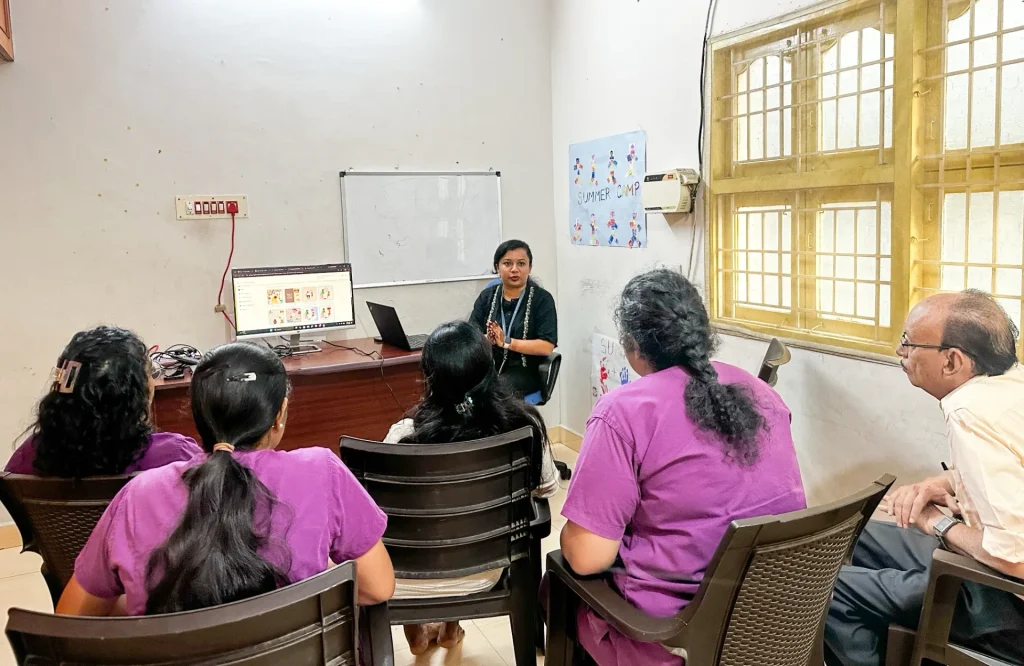
Before beginning the hands-on sessions, we outlined clear objectives for the training. Our goal was not only to introduce the Heal Clinic Portal but also to ensure that every participant became confident in using it independently by the end of the program.
The training focused on:
- Understanding the Heal Clinic Portal and its workflow.
- Training the administrator to create and map client profiles.
- Enabling clinicians to document case histories, assessments, therapy goals, and session reports digitally.
- Encouraging confidence in navigating the portal independently.
- Promoting a sustainable, paperless clinical workflow.
Building Confidence Through Hands-on Learning
One of the strengths of the training was its practical approach. Rather than limiting the sessions to demonstrations, every participant actively explored the Heal Clinic Portal through hands-on activities.
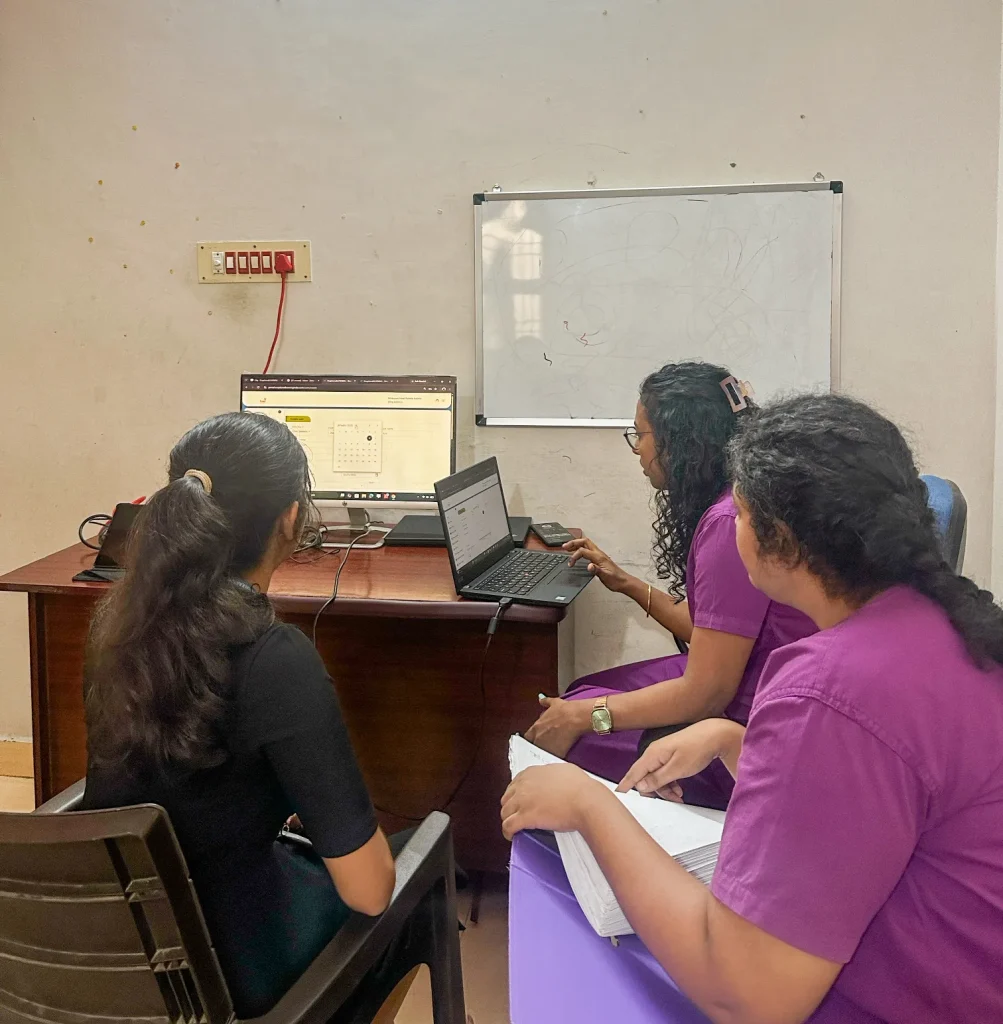
The multidisciplinary team, comprising five clinicians from Speech-Language Pathology, Occupational Therapy, Physiotherapy, Special Education, and another rehabilitation discipline, worked directly on the portal using their individual login credentials. Together, we explored every stage of the documentation process—from creating client profiles and recording case histories to documenting assessments, setting therapy goals, and completing session reports.
The administrative team successfully learned how to create and manage client profiles, while the clinicians practiced documenting sample cases to understand the complete workflow. Although the documentation of the sample cases was not fully completed during the training, the practical exercises gave everyone a clear understanding of how the platform functions in day-to-day clinical practice.
By the conclusion of the two-day program, all five clinicians were able to navigate the portal independently, giving us confidence that they were ready to begin incorporating the digital workflow into their clinical practice.
By the End of the Training
- All 5 clinicians could navigate the Heal Clinic Portal independently
- The administrative team could confidently create and manage client profiles
- The full documentation workflow, including case history, assessment, goals, and session reports, was understood by every participant
- The team felt ready to begin using the portal in real clinical sessions
- Heal Multi Rehabilitation Centre took a confident first step toward its paperless, “Go Green” goal
Overcoming the Learning Curve
For many of the clinicians, this was their first experience using a fully digital documentation system. Like any new technology, there was an initial learning curve. Understanding how to navigate the different modules and map clients required a little extra guidance during the early stages of the training.
However, what stood out was the team’s enthusiasm to learn. As the sessions progressed, the clinicians became increasingly comfortable with the platform. Through continuous practice, discussions, and collaborative problem-solving, they quickly adapted to the workflow and gained confidence in using the portal independently.
Witnessing participants move from initial curiosity and uncertainty to confidence and independence was undoubtedly one of the most rewarding aspects of the training.
Portal Features That Resonated with the Team
During the hands-on sessions, a few features of the Heal Clinic Portal received particularly positive responses from the clinicians.
The Content Library generated considerable interest, as it provides readily accessible therapy resources that can support intervention planning and therapy sessions. The clinicians also appreciated the structured documentation templates, which simplify the process of recording case histories, assessments, goal setting, and session reports while maintaining consistency across documentation.
These features demonstrated how thoughtfully designed technology can complement clinical expertise rather than replace it, allowing clinicians to spend less time managing paperwork and more time focusing on the individuals they serve.
Why Digital Transformation Matters
Rehabilitation centres generate extensive clinical documentation every day. Managing paper records can often become time-consuming, making it challenging to organize, retrieve, and maintain information efficiently.
Digital documentation offers a more streamlined approach by securely storing clinical information in one place, improving accessibility, supporting multidisciplinary collaboration, and enhancing continuity of care. It also creates standardized documentation practices that benefit both clinicians and the individuals receiving rehabilitation services.
For Heal Multi Rehabilitation Centre, embracing digital transformation is about more than introducing new technology—it is about building a sustainable future. Their vision of creating a paperless, “Go Green” clinical environment reflects a commitment to innovation, environmental responsibility, and improved clinical efficiency.
Looking Ahead
As I concluded the two-day training, I left Chennai feeling inspired by the dedication and forward-thinking approach demonstrated by the entire team at Heal Multi Rehabilitation Centre. Their willingness to embrace technology and adopt a hybrid model of rehabilitation reflects a genuine commitment to continuous learning and delivering the highest quality of care.
At XceptionalLEARNING, we believe technology should empower clinicians—not replace them. Every successful implementation of the Heal Clinic Portal represents another step toward building a more connected, efficient, and sustainable rehabilitation ecosystem.
For me, every training is more than introducing a digital platform. It is about collaborating with passionate professionals, learning from one another, and supporting rehabilitation centres as they prepare for the future. Seeing Heal Multi Rehabilitation Centre begin this exciting digital journey was a truly rewarding experience, and I look forward to partnering with many more centres that are ready to embrace the future of hybrid rehabilitation.
Explore More Moments from the Training
Want to see more highlights from our two-day training program at Heal Multi Rehabilitation Centre, Chennai?
Ready to Begin Your Digital Transformation?
Contact the XceptionalLEARNING team to schedule a personalized demonstration and discover how hybrid rehabilitation can transform your clinical practice.