
How Therapy Avatars and Digital Twins Are Becoming Your Child’s Emotional Coaches

Reading Time: 5 minutes

Clinically Reviewed by

Jinson Alias

Consultant Psychologist, Special Educator & Digital Therapy Trainer

The world of child development, therapy, and emotional growth is undergoing rapid change. Traditional approaches—such as face-to-face counselling, talk therapy, or classroom-based interventions—remain important, but they are no longer the only tools available. With advancements in artificial intelligence (AI), machine learning, and interactive technology, Therapy Avatars and Digital Twins are emerging as powerful allies for children’s emotional well-being.

  • Therapy Avatars act as virtual coaches, guiding children through emotions, social interactions, and daily challenges.
  • Digital Twins replicate a child’s developmental journey in a digital environment, helping therapists, parents, and educators track emotional patterns and predict needs.

Together, they are redefining what it means to support a child’s growth—not just in therapy rooms but in everyday life.

Understanding Therapy Avatars

What Are Therapy Avatars?

Therapy avatars are AI-powered virtual characters designed to interact with children therapeutically. Unlike static applications, they can respond, adapt, and provide emotional support

  • They can take forms children connect with—cartoon characters, friendly animals, or human-like guides.
  • They use natural language processing (NLP) to converse with children.
  • They offer real-time feedback, emotional validation, and skill-building exercises.
Why Avatars Work with Children  

Children are naturally drawn to storytelling and interactive play. A therapy avatar combines these two elements:

  • Engagement through play – Kids feel less pressured than in face-to-face therapy.
  • Safe space – Children often share more openly with avatars than with adults.
  • Consistency – Avatars provide steady responses without judgment.

Exploring Digital Twins in Therapy

What Is a Digital Twin for Children?

A Digital Twin is a digital replica of a child’s developmental profile. It collects and analyzes data to create a living model of the child’s learning style, behaviour, and emotional patterns.

  • Tracks emotional responses over time.
  • Predicts when a child may face stress, frustration, or disengagement.
  • Suggests tailored strategies for parents and therapists.
How Digital Twins Support Therapy  
  • Data-driven insights – Therapists gain a clearer picture of what strategies work.
  • Personalization – Every child gets tailored therapy recommendations.
  • Early intervention – Warning signs of anxiety, ADHD, or other concerns are spotted early.

Why Emotional Coaching Matters

Emotional Intelligence in Children

Children who develop strong emotional intelligence are better equipped for school, friendships, and life challenges. Key skills include:

  • Recognizing and naming feelings.
  • Managing emotions during stress.
  • Building empathy and social awareness.
  • Problem-solving in relationships.
The Role of Emotional Coaches  

Traditionally, parents, teachers, and therapists take on the role of emotional coaches. But avatars and digital twins extend this role by:

  • Providing 24/7 support when human guidance isn’t available.
  • Reinforcing lessons between therapy sessions.
  • Creating fun practice spaces for children to role-play emotions.

How Therapy Avatars Coach Children Emotionally

Key Features of Therapy Avatars
  • Interactive Conversations
    • Children can talk about their day.
    • Avatars respond with empathy and suggestions.
  • Emotional Games and Exercises
    • Breathing exercises for calming down.
    • Storytelling prompts for emotional expression.
  • Reward Systems
    • Encouragement through stars, badges, or digital praise.
    • Helps build confidence and self-esteem.
Practical Scenarios Where Avatars Help  
  • Managing Daily Routines
    • Morning Anxiety Before School – Avatar guides calming exercises and boosts confidence with positive affirmations.
    • Bedtime Struggles – Leads a mindfulness routine, storytelling, and worry-release before sleep.
  • Building Social Skills
    • Conflict with Friends – Role-play conversations to practice problem-solving and apology skills.
    • Shyness in Social Situations – Simulates greetings, conversation starters, and builds confidence for playdates or class.
  • Managing Emotions Effectively
    • Handling Big Emotions (Anger, Frustration) – Encourages naming feelings and teaches calming outlets like breathing or drawing.
    • Handling Disappointment – Models empathy and helps the child reframe situations with positive alternatives.
  • Supporting Learning and Growth
    • Homework & Test Stress – Breaks tasks into smaller steps and teaches calming strategies during study.
    • Learning New Skills – Provides step-by-step guidance (e.g., tying shoes) while rewarding effort, not just success.
  • Facing Transitions and Challenges
    • Separation Anxiety – Offers comforting strategies and “bravery mantras” to manage time apart from parents.
    • Preparing for Medical/Dental Visits – Role-play visits in a friendly way, practising relaxation to reduce fear.

How Digital Twins Act as Emotional Mirrors

Building a Child’s Emotional Profile

Digital twins gather data from:

  • Speech patterns.
  • Facial expressions (via devices with cameras).
  • Engagement with therapy apps.
Benefits for Parents and Therapists  
  • Progress Tracking – See improvements or setbacks clearly.
  • Personalized Roadmaps – Suggests goals like “improve frustration tolerance.”
  • Collaboration – Parents and teachers access insights in real time.

The Science Behind Therapy Avatars and Digital Twins

  • AI and Machine Learning
    • Avatars learn how children respond and adapt their communication style over time.
    • Digital twins use predictive analytics to forecast emotional challenges and developmental needs.
  • Psychology Meets Technology
    • Combines evidence-based Cognitive Behavioural Therapy (CBT) strategies with AI-driven interactions.
    • Incorporates play therapy techniques into digital platforms to make learning and emotional practice fun.

Advantages Over Traditional Therapy Alone

  • Accessibility
    • Available anytime, anywhere—even in rural or underserved areas.
    • Gives children consistent access to emotional support outside clinic hours.
  • Consistency
    • Reinforces therapy lessons through daily practice and reminders.
    • Helps children build habits and routines instead of waiting for weekly sessions.
  • Cost-Effectiveness
    • Reduces the need for frequent, expensive in-person therapy sessions.
    • Provides affordable ongoing support for families.
  • Child Comfort
    • Many children feel safer and more relaxed opening up to a friendly avatar.
    • Encourages expression without fear of judgment.

Addressing Concerns and Limitations

Concerns Parents May Have
  • Screen Time: Use avatars for short, focused sessions (5–10 minutes).
  • Privacy: Choose platforms with strong data protections.
  • Over-Reliance: Keep human interaction central—use avatars as helpers, not replacements.
Expert Recommendations
  • Use avatars and twins as supplements, not replacements.
  • Encourage joint use with parents for shared experiences.
  • Regularly review data with therapists to guide real-life strategies.

Future of Emotional Coaching with Avatars and Twins

  • Integration with Wearables
    • Smartwatches and fitness trackers monitor stress signals such as heart rate or sleep patterns.
    • Avatars adjust their guidance in real time based on this live data.
  • Virtual Reality Therapy
    • Children practice real-life scenarios like classroom presentations or social interactions in safe VR environments.
    • Provides a low-risk space to build confidence and emotional regulation skills.
  • Cross-Cultural Adaptation
    • Avatars adapt to local languages, traditions, and cultural norms for more relatable interactions.
    • Ensures therapy tools remain inclusive and effective for diverse families.

Tips for Parents Considering These Tools

  • Research Platforms – Choose trusted, child-focused therapy apps.
  • Balance Digital and Human Time – Use technology as a bridge, not a replacement.
  • Stay Involved – Review insights and practice emotional lessons together.
  • Ask Your Therapist – Discuss how these tools can complement your child’s care.

Conclusion: A New Era of Emotional Coaching

Therapy Avatars and Digital Twins are no longer science fiction—they are practical tools transforming child therapy. Acting as emotional coaches, they provide safe spaces for children to express themselves, build coping skills, and grow resilience. Simultaneously, they give parents and therapists valuable insights into emotional development, enabling personalized care and earlier interventions. Therapy is no longer limited to weekly sessions—it’s becoming a daily journey supported by compassionate AI companions, helping children thrive emotionally, socially, and academically.

XceptionalLEARNING is trying to bring such an advanced system to its working form. As this system of XceptionalLEARNING reaches perfection, children will have a safe space to understand their feelings, strengthen emotional skills, and grow more resilient every day. Parents can easily contact us to explore how these innovative tools can support their child’s unique needs. For families looking for specialized therapy services, the platform offers tailored programs that adapt to each child’s progress. Parents can also connect with licensed therapists online, ensuring professional guidance whenever it’s needed. Therapists can expand their therapy practice online, bringing their expertise to more children, while hybrid therapy services combine digital and in-person sessions to make therapy more flexible, effective, and engaging.

Returning Home: My Experience Conducting a Workshop on Technology-Integrated Sustainable Clinical Practice

Reading Time: 3 minutes

Written by

Minnu Mini Mathew

Occupational Therapist

A Homecoming to Remember

There are few moments in life that make your heart swell with pride — and for me, one such moment was stepping back into the corridors of SRM College of Occupational Therapy, not as a student this time, but as a guest speaker. Representing XceptionalLEARNING, alongside my colleague Gopika R., I had the wonderful opportunity to conduct a workshop on The Importance of Technology-Integrated Sustainable Clinical Practice.

Walking through the familiar campus brought back so many memories — late-night study sessions, classroom laughter, and the nervous excitement before practical exams. But this visit felt special. Coming back to share knowledge with the next generation of therapists was not just nostalgic, but deeply fulfilling.

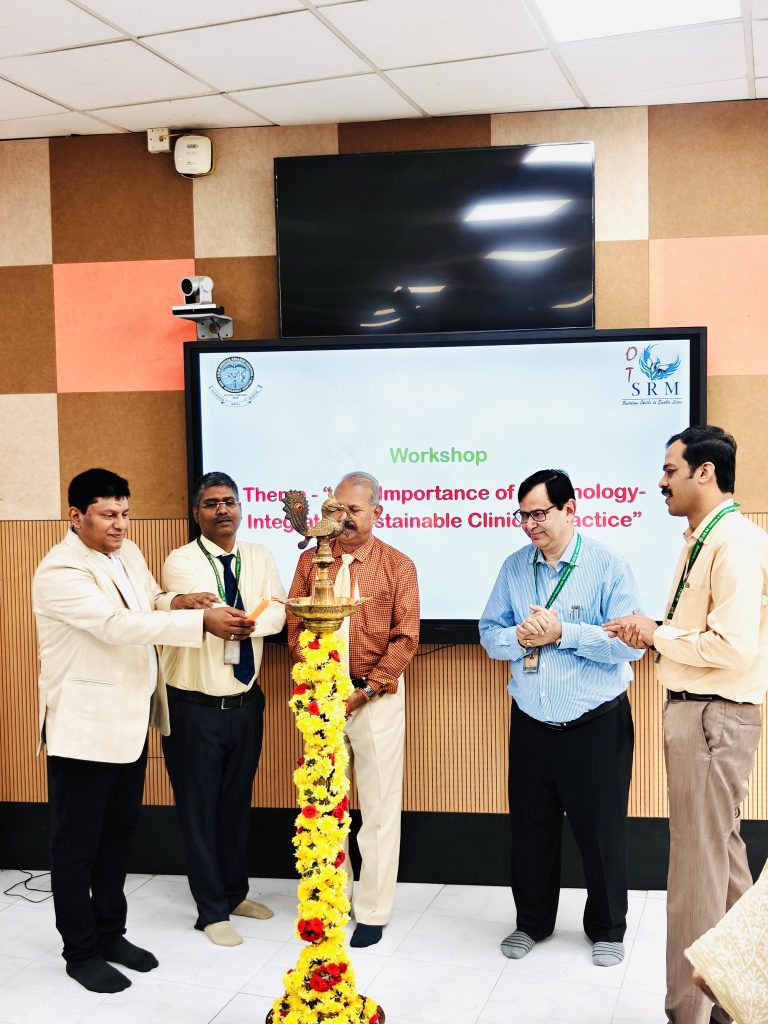
Inauguration of the workshop on Technology-Integrated Sustainable Clinical Practice at SRM College of Occupational Therapy.

The workshop was part of SRM’s ongoing efforts to promote innovation and sustainability in healthcare. The welcome address by Dr. U. Ganapathy Sankar, Dean, set the perfect tone for the day. He spoke passionately about how embracing technology can shape the future of occupational therapy and lead to more sustainable outcomes.

Dr. U. Ganapathy Sankar delivering the welcome address.

Bringing Therapy and Technology Together

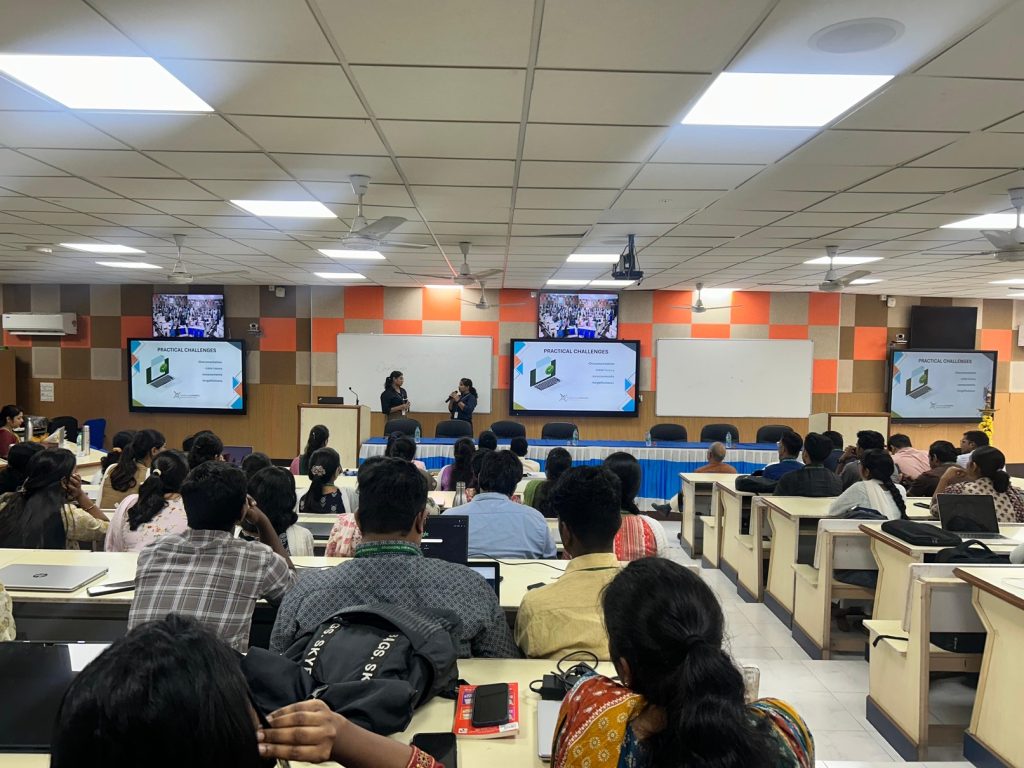
Our session took the form of an open conversation between Gopika and me — light, interactive, and full of practical insights. We began by discussing the challenges therapists often face in traditional clinical settings:

Interactive session led by XceptionalLEARNING team members Minnu Mini Mathew and Gopika R.
  • Irregular session follow-ups
  • Limited progress tracking
  • Difficulty keeping clients engaged over time

That’s where we introduced the idea of a hybrid therapy model — a blend of traditional techniques and digital innovation. We shared how this approach allows therapists to:

  • Stay connected with clients beyond clinic walls
  • Monitor progress seamlessly
  • Make therapy more structured and goal-oriented

Showcasing the XceptionalLEARNING Platform

We then demonstrated how the XceptionalLEARNING Platform empowers therapists to conduct interactive, well-structured therapy sessions using digital tools and activity books. Key features highlighted included:

  • Setting and tracking clear, measurable goals
  • Creating personalized home programs and follow-up plans for families
  • Enhancing therapist–client communication through engaging digital features

The participants were especially excited to see how these tools make therapy more accessible and consistent — bringing the seeker closer to the therapist. The room was filled with curiosity, reflection, and enthusiasm as everyone shared ideas about the future of sustainable therapy.

Reflections and Takeaways

What stood out to me most was how open the participants were to embracing change. Many shared their thoughts on how sustainability in therapy isn’t just about eco-consciousness — it’s also about building systems that are efficient, inclusive, and long-lasting.

Our discussion reaffirmed a simple truth: while technology can enhance therapy, it’s the human touch that gives it meaning.

Closing Thoughts

Representing XceptionalLEARNING at my alma mater was a moment of immense pride and gratitude. It felt like coming full circle — learning, growing, and then returning to give back.

A big thank you to SRM College of Occupational Therapy for the warm welcome, and to XceptionalLEARNING for giving me this platform to share our vision of a connected, sustainable future for therapy.

The day ended with smiles, thoughtful conversations, and a shared commitment to creating therapy environments that are innovative, inclusive, and truly sustainable.

At XceptionalLEARNING, our Hybrid Therapy Services blend expert care with innovation. Guided by the best occupational therapists, our Digital Activity Book makes every session engaging and effective. Contact us to experience smarter, connected therapy.