How a second-phase implementation moved rehabilitation training from faculty orientation to hands-on student ownership
Returning to the Manipal Speech and Hearing Department for phase two of digital implementation was a different kind of visit for us at XceptionalLEARNING. The first phase, a year earlier, worked at the faculty level. This time, we brought students directly into the workflow — creating and managing client profiles within their caseloads, scheduling sessions, exploring digital therapy resources, and connecting their day-to-day activity with the faculty side of the platform.
Over five days, what started as account creation and portal orientation turned into something more concrete: more than 20 clients onboarded and mapped, students scheduling sessions on their own, and a live teletherapy demonstration that shifted the conversation from “how do I use this” to “what could this do for my sessions.”
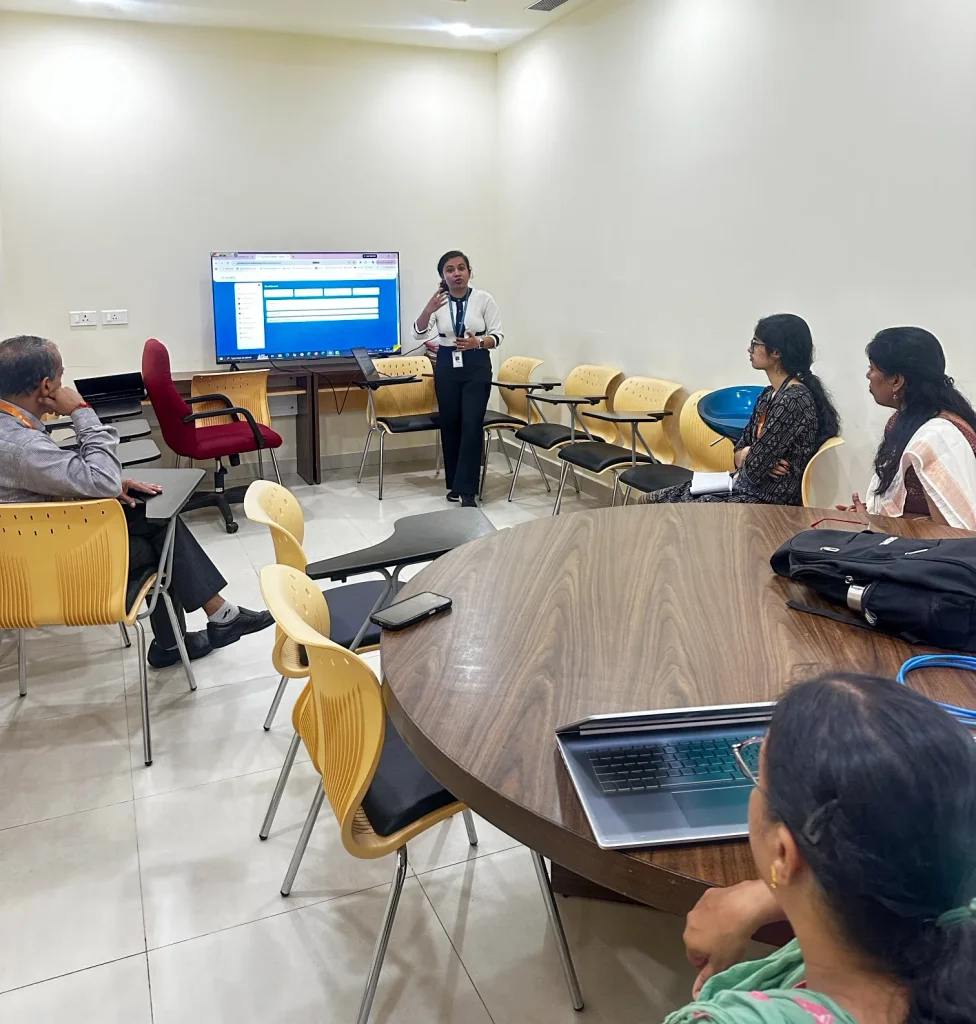
A hands-on digital implementation session at the Manipal Speech and Hearing Department, with the XceptionalLEARNING Platform demonstrated to department participants.
Implementation Snapshot
5 Days — Hands-on implementation 20+ Clients — Onboarded and mapped Student Workflow — Client creation and session scheduling Teletherapy — Live therapist–client demonstration Faculty Workflow — Student activity and documentation Internal Support — Department-level coordination
More Than Creating Accounts
Students were guided through creating client profiles, mapping clients to their caseload, scheduling sessions, and maintaining clinical information digitally. Reactions varied. Some found the new system an extra step on top of routines they already trusted. Others were curious immediately, particularly about using digital therapy content in sessions and exploring teletherapy as a delivery option.
What moved people from hesitant to comfortable wasn’t the orientation session. It was doing the work themselves. Once students started creating clients, mapping them, and scheduling independently, the platform stopped feeling like an additional task and began to feel like part of the existing workflow.
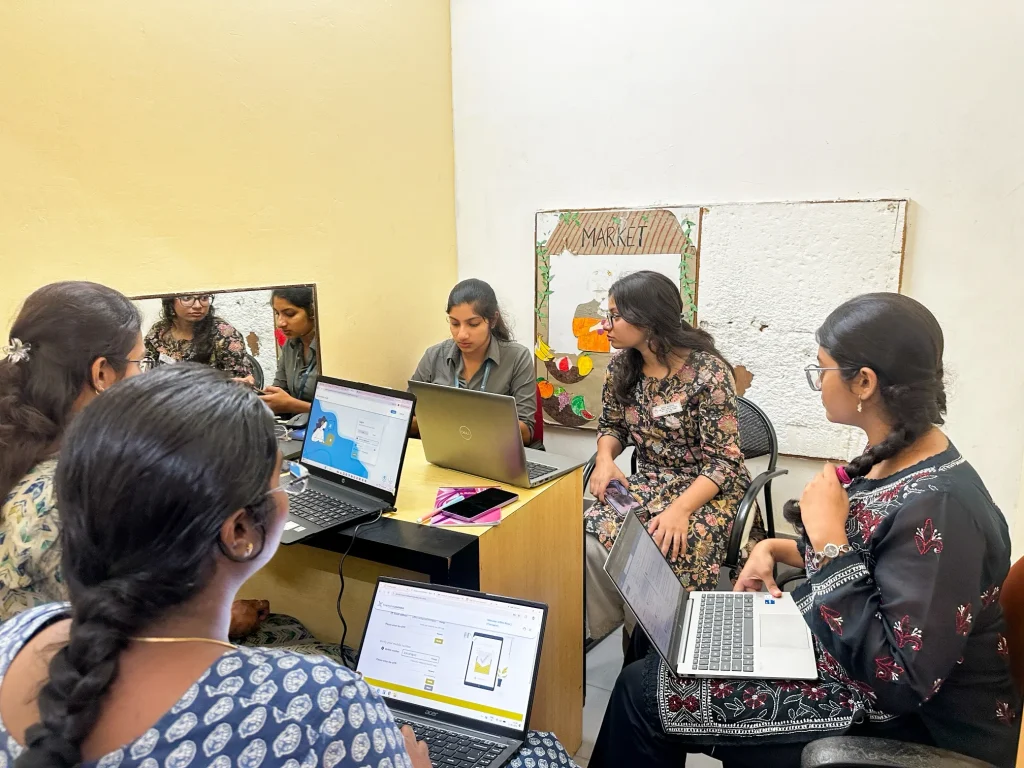
Students work hands-on with the XceptionalLEARNING Platform during the second phase of digital implementation at Manipal.
When Curiosity Turns Into Possibility
The most engaging moment of the visit was a live demonstration of the interactive teletherapy screen. One person joined as the therapist, another as the client, so students could see both sides of the interaction at once.
The therapist shared a matching activity. The client completed the drawing on their own screen. The students watched it happen live, in real time, from the therapist’s view.
For students used to conventional therapy materials, seeing an activity shared and completed remotely, with the therapist able to watch the interaction as it happened, made teletherapy feel tangible rather than theoretical. This was the point in the visit where the conversation stopped being about the platform’s features and started being about how it might actually support a therapy session.
Bringing Faculty Into the Picture
Once students were active in the system, we trained faculty on their side of the platform, deliberately after student and client data already existed. This allowed faculty to see the system working in context rather than starting with an empty dashboard.
Faculty could now see student activity, client details, and clinical documentation in one place. One faculty member pointed to the practical upside: updating reports on her own schedule, while students pulled information directly from the portal instead of chasing her down. Her summary: “It’s really a time-efficient concept.”
The same platform, used two different ways — client management and scheduling for students, visibility and reduced back-and-forth for faculty.
Rolling out a digital workflow across multiple student batches has logistical friction built in. Some students were unreachable at points because they were posted at different clinical sites, which meant coordinating carefully to reach everyone inside a five-day window.
Two people played particularly important roles in making that possible. Dr. Maya coordinated the implementation from the department side and kept communication with students moving. And Ms. Vaishnavi, trained in client creation, student-client mapping, and system administration, is now the internal point of contact who can support continued platform use within the department after our team leaves.
That’s the detail that matters most for continuity. An implementation only sticks if someone inside the building can support it once the visiting team is gone.
See the Five-Day Implementation at Manipal
Explore more moments from student onboarding, faculty training, client management, and the live teletherapy demonstration.
Five days confirmed something we’ve seen before: new technology takes time to feel native inside an established workflow, and that adjustment period is normal, not a warning sign. Adoption came through practice, not through a single orientation session. That held true for both students and faculty.
More than 20 clients onboarded, independent scheduling underway, a working teletherapy demonstration, and a trained internal administrator are the early markers of implementation taking hold. Whether they hold is something we’ll find out as Manipal keeps using the platform in its regular clinical and academic work.
What Happens Next
Ms. Vaishnavi’s training means the department has an internal point of support for continuing client onboarding, student-client mapping, and portal-related activities. The next milestone is the next student batch — using the platform not as something newly introduced, but as something already in place.
Ready to Explore Digital Rehabilitation?
See how the XceptionalLEARNING Platform can support students, therapists, faculty, and rehabilitation teams with connected digital workflows, therapy resources, documentation, and teletherapy.
Clinically Reviewed by Jinson Alias Consultant Psychologist | Special Educator | Digital Therapy Trainer
Quick Summary
Disconnected systems lead to inconsistent therapy outcomes
Generic software fails to support real therapy workflows
Structured systems improve coordination, tracking, and results
Choosing the right platform directly impacts child progress.
XceptionalLEARNING connects therapy, classroom, and home into one system
If Your Therapy System Feels Disconnected, Progress Will Always Be Inconsistent
Many clinics and special schools work hard to deliver quality therapy. But despite the effort, progress often feels:
Slow
Inconsistent
Difficult to measure
Not because therapy is ineffective. Not because the child cannot improve.
The real problem is this: your system is disconnected.
Therapy plans stay in files
Classroom reinforcement happens separately
Parents are unsure what to do at home
When these are not connected, progress becomes fragmented. And when progress is fragmented, outcomes are delayed.
The Real Challenge Most Teams Overlook
You don’t have a therapy problem. You have a system problem.
Even with skilled professionals:
Disconnected workflows lead to inconsistent results.
Manual tracking delays decisions
Lack of coordination slows progress
Improving outcomes requires structure, not just effort.
What Is Therapy Management Software?
Therapy management software is a structured system that connects:
Therapy planning
Session tracking
Progress monitoring
Team collaboration
Parent involvement
Instead of working in silos, everything operates within a single connected workflow. This transforms therapy from isolated sessions into continuous development.
Most decision-makers focus on features. But the real question is: Will this system improve outcomes consistently? Features alone don’t create impact. Structured workflows do.
Generic Software vs Structured Therapy System
Feature
Generic Software
Structured System (Like XL Platform)
Therapy-specific workflows
No
Yes
IEP goal tracking
No
Yes
Session Reports
No
Yes
Parent involvement
No
Yes
Therapy + classroom integration
No
Yes
Structured systems turn effort into measurable progress.
Choosing the wrong system doesn’t just reduce efficiency—it delays progress.
How XceptionalLEARNING Solves These Challenges
XceptionalLEARNING is designed as a complete therapy ecosystem—not just a software tool.
Here’s how its features support real outcomes:
XL Sessions – Structured Therapy Sessions
Conduct live, guided sessions with interactive tools that improve engagement and consistency.
My Studio – Personalized Therapy Planning
Design customized therapy sessions aligned with each child’s goals.
Co-Browsing – Real-Time Guidance
Therapists and learners interact on the same screen, improving clarity and engagement.
Whiteboard – Interactive Learning
Visual explanations and real-time interaction enhance understanding.
Therapy Calendar – Organized Scheduling
Ensures sessions are structured, tracked, and consistent.
Content Library – Ready Therapy Materials
Access structured, goal-based activities for therapy and learning.
Session Reports – Progress Tracking
Track Progress performance and make data-driven decisions.
Assignments – Home Reinforcement
Extend therapy beyond sessions with guided activities for home practice.
Gallery – Performance Records
Store and review progress visually over time.
Together, these features ensure:
Measurable outcomes
Consistent therapy delivery
Real-time visibility
Strong collaboration
See How Structured Therapy Works in Practice
See how therapy, tracking, and collaboration work together in a real system:
A system that connects therapy planning, tracking, and collaboration.
How do I choose the right software?
Focus on structure, usability, and outcome improvement.
Is it useful for special schools?
Yes, it connects therapy, classroom, and home learning.
Can I explore before deciding?
Yes, a demo helps you understand how it works in real environments.
Conclusion: The Right System Changes Everything
Improving therapy outcomes is not just about effort—it’s about having the right system in place.
Platforms like XceptionalLEARNING help connect therapy, classroom learning, and home practice into one structured workflow—ensuring consistent, measurable results.
If your current system feels disconnected, now is the time to evolve.
Ready to Improve Therapy Outcomes?
Explore how a structured therapy system can transform your workflow and outcomes.
Clinically Reviewed by: Jinson Alias – Consultant Psychologist | Special Educator | Digital Therapy Trainer
Children with developmental challenges often need support from multiple professionals, including speech therapists, occupational therapists, behavioural therapists, and special educators. These professionals work together to help children build essential skills such as communication, motor coordination, social interaction, and independent living.
However, therapy sessions usually take place only once or twice a week. The majority of a child’s time is spent at home or in school, where therapy goals may not always be reinforced consistently. This gap between structured therapy sessions and everyday environments can slow progress, even when therapists are using effective intervention strategies.
Digital therapy platforms are helping bridge this gap. By combining structured learning resources, therapy planning tools, and collaboration systems, these platforms allow therapy activities to continue beyond the clinic. Instead of being limited to occasional sessions, therapy becomes part of the child’s daily learning routine.
Solutions such as XceptionalLEARNING are designed to connect therapists, educators, and parents through a shared digital environment that supports consistent therapy practice and measurable developmental progress.
Why Consistency Matters in Therapy
Research in early intervention and developmental therapy shows that children achieve stronger skill development when therapy strategies are reinforced consistently across home, school, and therapy environments.
For example, a child learning new speech sounds during therapy will improve faster when those sounds are practiced during daily conversations at home or through structured activities recommended by the therapist.
Without consistent reinforcement, children may struggle to retain newly learned skills. Parents often want to help their children practice therapy exercises but may not always know which activities are most effective or how frequently they should be used.
Digital therapy platforms help solve this challenge by providing structured activities and guidance that can be used outside therapy sessions, helping families support their child’s development with greater confidence.
The Role of Consistent Practice in Developmental Progress
Research in developmental therapy and early intervention shows that children make stronger progress when therapy strategies are practiced regularly across multiple environments.
Skills introduced during therapy sessions become more meaningful when children have opportunities to apply them in everyday situations. Speech, motor coordination, and cognitive skills often improve faster when exercises are reinforced through daily practice and guided activities.
Therapists, therefore, encourage parents and educators to participate actively in the therapy process. When therapy goals are practiced outside the clinic, children receive more learning opportunities and are better able to generalize new skills.
Digital platforms such as XceptionalLEARNING support this approach by providing structured activities, guided resources, and progress monitoring tools that extend therapy beyond traditional sessions.
What Is a Digital Therapy Platform and How Does It Work?
A digital therapy platform is a structured technology system designed to support therapy professionals in planning, delivering, and monitoring intervention programs.
Instead of relying solely on printed worksheets or manual record-keeping, therapists can organize therapy activities within a centralized digital system that allows them to assign exercises, monitor progress, and collaborate with parents and educators.
These platforms typically include:
Therapy activity libraries
Personalized learning plans
Interactive digital exercises
Progress tracking dashboards
Communication tools for families and educators
The purpose of a digital therapy platform is not to replace therapists, but to enhance therapy delivery by making it more organized, collaborative, and consistent.
The XceptionalLEARNING Digital Therapy Platform combines these capabilities into a comprehensive ecosystem that supports therapists, special schools, clinics, and families.
Want to see how a digital therapy platform works in real therapy environments?
Connect with our team on WhatsApp to discover how XceptionalLEARNING and VergeTAB help therapists, special schools, and families deliver structured therapy programs while tracking measurable developmental progress.
Chat with us on WhatsApp to learn more or request a quick demo.
The Four Pillars of Effective Digital Therapy
Successful digital therapy programs often rely on four core principles that help children build skills gradually and consistently.
1. Structured Learning Pathways
Children benefit from therapy programs that follow a clear progression of skills. Digital therapy platforms allow therapists to organize activities into structured learning pathways where each skill builds upon the previous one.
For example, speech therapy programs may begin with sound recognition, progress to vocabulary development, and later focus on sentence formation and communication skills.
2. Personalized Therapy Plans
Every child has unique strengths, challenges, and developmental needs. Digital therapy platforms allow therapists to design individualized therapy programs that match the child’s learning pace and therapy goals.
Therapists can also adapt therapy plans based on progress, ensuring that activities remain meaningful and effective.
3. Consistent Home Reinforcement
When therapy strategies continue at home, children gain more opportunities to practice and strengthen their skills. Digital therapy platforms provide parents with guided activities that reinforce therapy goals between sessions.
Even 10–20 minutes of daily practice can significantly help children retain and apply newly learned skills.
4. Data-Driven Progress Monitoring
Tracking progress is a critical part of therapy. Digital therapy platforms provide structured insights into activity completion, skill development, and engagement levels.
These insights help therapists refine therapy strategies and give parents a clearer understanding of their child’s developmental journey.
Strengthening Collaboration Between Therapists, Parents, and Schools
Children receiving therapy often interact with multiple professionals across different environments. Without proper coordination, therapy goals may become fragmented across therapy sessions, classrooms, and home activities.
Digital therapy platforms create a shared collaboration environment where therapists, educators, and families can work together more effectively.
This coordinated approach supports consistent therapy strategies, shared goals, and better developmental outcomes for children.
It also aligns well with Individualized Special Education Programs, where multiple professionals track and support the same developmental objectives.
Making Therapy More Engaging for Children
Children respond better to therapy when learning activities are interactive, visual, and engaging. Digital therapy platforms often include activity-based learning tools that encourage participation and maintain motivation.
These may include:
Interactive digital exercises
Visual learning activities
Guided therapy videos
Structured digital activity libraries
The VergeTAB, a Digital Activity Book within the XceptionalLEARNING ecosystem, provides interactive therapy exercises designed to support speech development, cognitive skills, and learning engagement.
Traditional Therapy vs Digital Therapy Platforms
Aspect
Traditional Therapy
Digital Therapy Platform
Therapy practice
Limited to clinic sessions
Continues at home and school
Learning resources
Paper worksheets
Interactive digital activities
Progress tracking
Manual documentation
Data-driven dashboards
Parent involvement
Limited guidance
Structured home activities
Collaboration
Separate communication channels
Shared digital platform
Traditional vs Digital Therapy Platforms: From Clinic-Only Care to Continuous, Connected, and Data-Driven Intervention
Digital platforms help bridge the gap between therapy sessions and daily learning environments, creating a more consistent and effective therapy experience.
Explore the XceptionalLEARNING Digital Therapy Platform
Discover how therapists, special educators, and families use a structured digital therapy platform to deliver consistent learning experiences, support skill development, and track measurable progress for children with special needs.
Request a demo today to see how the platform supports therapy programs, special education classrooms, and home-based learning.
A Complete Digital Therapy Ecosystem
The impact of digital therapy becomes stronger when multiple tools work together within a connected system. The XceptionalLEARNING ecosystem includes several integrated solutions designed to support therapy delivery and collaboration.
XL Portal
The XL Portal serves as the central platform where therapists can conduct online sessions, create therapy resources, and access structured content libraries for personalized therapy programs.
VergeTAB (Digital Activity Book)
The VergeTAB provides interactive therapy exercises that help children practice therapy goals through guided digital activities designed for skill development.
XL Connect
XL Connect enables communication between therapists and families, helping parents stay informed about therapy goals and participate actively in their child’s developmental journey.
XL Marketplace
The XL Marketplace helps families discover qualified therapists and therapy providers, making it easier to find professional support tailored to a child’s needs.
Together, these solutions create a connected digital therapy ecosystem that supports therapy sessions, home reinforcement, and collaboration between professionals and families.
See the Digital Therapy Platform in Action
Understanding digital therapy platforms becomes easier when you see them in real therapy environments. The following video demonstrates how therapists use the XceptionalLEARNING Digital Therapy Platform to deliver structured therapy programs and support children with developmental needs.
Through structured digital tools and guided therapy resources, children can continue practicing therapy goals beyond clinic sessions, making therapy more consistent and effective.
Explore More Therapy and Special Education Videos
If you would like to learn more about digital therapy tools, assistive technology, and therapy implementation, you can explore additional educational videos from the XceptionalLEARNING ecosystem.
These resources are helpful for therapists, special educators, parents, and institutions exploring digital therapy solutions.
Frequently Asked Questions
Can digital therapy replace in-person therapy?
No. Digital therapy platforms support therapists but do not replace professional therapy sessions. They help extend therapy activities beyond sessions so children can practice skills consistently.
How often should children practice therapy activities at home?
Short daily sessions of 10–20 minutes are usually effective in reinforcing therapy goals.
Are digital therapy tools safe for young children?
Yes. When designed for structured learning and guided activities, digital therapy tools support skill development rather than passive screen time.
Who can benefit from a digital therapy platform?
Therapists, special educators, therapy centres, schools, and families can all benefit from platforms that organize therapy programs and track developmental progress.
Conclusion
Helping children with special needs achieve meaningful developmental progress requires more than occasional therapy sessions. Consistency, structured learning pathways, and collaboration between therapists, educators, and families play a vital role in helping children develop communication, cognitive, and functional life skills.
A well-designed digital therapy platform helps bridge the gap between therapy sessions and everyday learning environments by providing organized therapy programs, interactive activities, and structured progress tracking. These tools enable therapists, parents, and educators to reinforce therapy goals more consistently and monitor developmental progress over time.
The XceptionalLEARNING Digital Therapy Platform brings together therapy resources, digital learning tools, and collaborative monitoring within a unified ecosystem designed for therapists, special schools, clinics, and families. Through solutions such as the VergeTAB and connected therapy tools, institutions and families can support structured therapy practice beyond traditional sessions.
Assessment is the cornerstone of effective education—especially for students with special needs. In today’s evolving learning environment, hybrid education, which blends classroom instruction with digital learning, has become increasingly common. While this model offers flexibility and accessibility, it also demands a transformation in how we assess student progress.
Traditional assessment methods alone are no longer sufficient. What is needed is a hybrid assessment model—one that is inclusive, flexible, meaningful, and aligned with each learner’s individual abilities and goals.
Hybrid assessment does not eliminate traditional evaluation. Instead, it thoughtfully integrates conventional methods with digital, audio, video, and assistive technology–based tools to create a balanced, child-centered system of evaluation.
What Is Hybrid Assessment?
Hybrid assessment refers to an approach that integrates:
Traditional methods – paper–pencil tests, oral exams, teacher observation, worksheets
Digital and technology-enabled methods – online activities, video submissions, audio responses, interactive tasks, assistive tools
By combining these approaches, hybrid assessment captures a more complete and authentic picture of a student’s learning, progress, and functional abilities—particularly for children with diverse learning needs.
Traditional Assessment Methods: Strengths and Limitations
Traditional assessments typically include:
Written exams and worksheets
Oral questioning
Standardized tests
Teacher-led observations
While these methods provide structure and familiarity, they often follow a one-size-fits-all format. For students with special needs, such assessments may:
Fail to reflect true abilities
Create unnecessary stress
Overemphasize memorization
Ignore diverse communication styles
As a result, traditional assessments alone may provide incomplete or misleading insights into a student’s actual progress.
Why Inclusive and Flexible Assessment Is Essential
Inclusive assessment acknowledges that students learn and express understanding in different ways. A flexible system:
Allows multiple modes of response (written, oral, visual, practical)
Ensures accessibility and equity
Encourages engagement and confidence
Accommodates sensory, cognitive, and communication differences
For special needs students, inclusive assessment is not optional—it is essential for providing equal opportunities to demonstrate learning.
Continuous and Formative Assessment in Hybrid Education
Digital assessment transforms evaluation into an accessible, motivating experience rather than a stressful event.
IEP-Based and Individualized Assessment
Assessment must align with each student’s Individualized Education Plan (IEP).
IEP-based assessment:
Focuses on individualized goals
Measures meaningful progress
Supports personalized learning pathways
Moves beyond generic benchmarks
When assessment aligns with IEP goals, it becomes purposeful, targeted, and growth-oriented.
Multisensory and Accessible Assessment Approaches
Multisensory strategies—visual, auditory, and kinesthetic—enhance engagement and comprehension. Accessible assessment:
Removes physical and cognitive barriers
Provides alternative response formats
Encourages active participation
Such approaches respect learner diversity and uphold the principles of inclusive education.
The Role of Parents in Hybrid Assessment
Parents play a critical role in hybrid education models. Their contributions include:
Sharing insights into home learning behavior
Supporting reinforcement activities
Collaborating with teachers on progress and challenges
Strong parent–teacher collaboration strengthens assessment accuracy and creates a supportive ecosystem for the child.
Emotional and Ethical Considerations
Assessment should prioritize:
Emotional safety
Student dignity
Encouragement over labeling
Growth over comparison
Ethical assessment practices reduce stress and encourage self-confidence. A child who feels safe during evaluation is more likely to demonstrate authentic abilities.
How Technology Strengthens Hybrid Assessment
Technology bridges the gap between structured evaluation and personalized learning. This is where modern digital therapy platforms play a transformative role.
Digital Activity Books in Assessment
Digital Activity Books support hybrid assessment by offering:
For Teachers:
Real-time progress tracking
Data-driven instructional insights
Customizable activities aligned with IEP goals
Automated performance reports
For Students:
Engaging interactive assessments
Self-assessment opportunities
Immediate feedback
Reduced performance anxiety
Digital tools make assessment measurable, motivating, and meaningful.
Transforming Hybrid Assessment with XceptionalLEARNING
In the journey toward inclusive hybrid assessment, XceptionalLEARNING plays a vital enabling role. The platform integrates evidence-based special education practices with technology-driven assessment tools.
Individualized learning pathways aligned with each student’s needs
IEP-aligned digital assessments for meaningful goal tracking
Continuous progress monitoring with structured reporting
Data-backed intervention planning for therapists and educators
Secure parent–teacher collaboration for holistic development
It moves assessment beyond isolated testing and transforms it into a structured, ongoing development process. Enhancing this system is VergeTAB, a controlled therapy device that works exclusively with the XL Platform. Unlike open tablets, VergeTAB operates within a secure, distraction-free digital environment designed specifically for therapy and special education settings.
By combining structured assessment tools with a controlled device ecosystem, they enable seamless hybrid education and therapy models that are safe, measurable, and child-centered.
Moving Toward Child-Centered Hybrid Assessment
The ultimate goal of hybrid assessment is not to measure limitations—but to uncover strengths.
By combining traditional structure with digital flexibility, educators can:
Recognize individual abilities
Support continuous improvement
Build student confidence
Encourage self-advocacy
Promote holistic growth
Meaningful assessment empowers students not only academically, but emotionally and functionally within hybrid education environments.
Conclusion: Building the Future of Hybrid Therapy and Education
Hybrid assessment represents the future of inclusive education. When traditional methods are thoughtfully combined with digital, audio, video, and assistive technology–based tools, assessment becomes balanced, flexible, and growth-oriented.
Platforms like XceptionalLEARNING, through the XL Portal and the VergeTAB ecosystem, are redefining hybrid therapy and education initiatives. By integrating digital activity-based assessments, individualized pathways, and continuous progress monitoring, they help special schools and therapy centers move beyond traditional limitations and implement truly child-centered evaluation models.
Want to see how it works? Get a Free Demo of the XceptionalLEARNING XL Portal and VergeTAB ecosystem today—contact us to explore customized hybrid therapy and education solutions tailored to your institution’s needs.
Chat with our team directly on WhatsApp to discuss implementation, pricing, and onboarding support.
Empower every learner with fair, flexible, and future-ready assessment systems—because every child deserves the opportunity to demonstrate their true potential.
Consultant Speech Swallow pathologist, Digital practitioner -SLP
The 57th Annual Conference of the Indian Speech and Hearing Association (ISHACON 2026), held from January 30 to February 1, 2026, at the AUDA Auditorium, Karnavati Club Road, Ahmedabad, Gujarat, was a landmark event that brought together professionals, researchers, academicians, and students from across the country and beyond. With the theme “Innovations Beyond Boundaries,” the conference served as a dynamic platform to exchange knowledge, explore advancements, and foster collaboration in the fields of audiology and speech-language pathology.
Scientific Schedule and Conference Highlights
This prestigious annual conference is widely regarded as one of the most influential gatherings for speech and hearing professionals in India. It provided attendees with opportunities to engage in scientific discussions, attend keynote sessions, participate in workshops and panel discussions, and explore emerging technologies shaping the future of rehabilitation and clinical practice.
A Hub of Knowledge, Innovation, and Professional Growth
ISHACON 2026 featured an extensive scientific program comprising keynote lectures, plenary sessions, panel discussions, oral presentations, and poster sessions. These sessions addressed critical areas such as pediatric audiology, neurogenic communication disorders, dysphagia management, hearing restoration, autism intervention, voice care, and technological advancements in assessment and therapy.
Key Sessions, Topics, and Expert Insights from ISHACON 2026
Renowned experts and thought leaders shared their insights on topics such as instrumental voice assessment, executive function in learning, tele-rehabilitation trends, neurodiversity perspectives, and innovations in audiological protocols. The conference also highlighted the integration of technology into clinical practice, emphasizing digital tools, telehealth platforms, and affordable innovations that enhance accessibility and efficiency in service delivery.
The conference provided a comprehensive overview of the current landscape of speech and hearing sciences while encouraging professionals to explore innovative approaches that transcend traditional boundaries.
XceptionalLEARNING Participation at ISHACON 2026
We were honored to actively participate in this prestigious national conference. Our team members, Ms. Rakshitha, Ms. Kavya, Ms. Brijith, and Ms. Ashla, attended the event and contributed to representing our organization’s vision and technological advancements in the field.
In addition to attending the scientific sessions and networking with professionals, we had the opportunity to host an exhibition stall at the conference venue. Hosting a stall at such a prominent event allowed us to directly engage with a diverse audience, including clinicians, academicians, students, entrepreneurs, and researchers.
The experience was both rewarding and inspiring, as it enabled us to showcase our solutions and interact with professionals who are actively contributing to the advancement of speech and hearing sciences.
Exceptional Response to Our Exhibition Stall
Our exhibition stall received an overwhelming response from conference attendees. Over the course of the conference, more than 400 visitors stopped by our stall to learn about our offerings, engage in discussions, and explore our digital solutions.
This enthusiastic participation demonstrated the growing interest in innovative tools and technology-driven solutions in clinical practice and rehabilitation. Visitors expressed curiosity, asked insightful questions, and showed keen interest in understanding how our platform can enhance therapy delivery, improve patient engagement, and streamline clinical workflows.
The interactions we had at the stall were meaningful and productive, allowing us to connect with professionals from different regions and clinical backgrounds.
Product Demonstrations for Practicing Professionals
One of the key highlights of XceptionalLEARNING’s participation at ISHACON 2026 was conducting live product demonstrations for more than 50 practicing professionals, including speech-language pathologists, audiologists, and rehabilitation specialists.
During these demonstrations, clinicians explored the XceptionalLEARNING (XL) Portal, a comprehensive digital therapy and assessment platform designed for structured clinical practice. We showcased how therapists can use the platform for clinical assessment, therapy planning, session execution, progress tracking, and documentation in a streamlined digital environment.
We also introduced professionals to the XL Marketplace, where therapists can access ready-to-use digital therapy resources, activity modules, and tools that can be immediately integrated into their therapy sessions.
Practicing clinicians appreciated how the platform simplifies therapy workflow, improves patient engagement, and supports measurable progress tracking. Many expressed strong interest in adopting such digital solutions to enhance efficiency, accessibility, and therapy outcomes in their routine practice.
The encouraging feedback from professionals reinforced XceptionalLEARNING’s commitment to developing clinician-friendly, technology-driven solutions that address real-world challenges in speech and hearing rehabilitation.
Engaging and Inspiring the Next Generation
In addition to interacting with experienced professionals, we also had the opportunity to connect with students pursuing careers in audiology and speech-language pathology. These interactions were particularly meaningful, as students represent the future of the profession.
We introduced students to the DPT (Digital Professional Training) course, highlighting its relevance in today’s evolving healthcare landscape. The course is designed to equip students and professionals with essential digital skills, practical knowledge, and clinical competencies required for modern therapy delivery.
Students showed great enthusiasm in learning about opportunities that combine clinical expertise with digital innovation. They were eager to understand how technology can enhance therapy effectiveness and expand professional opportunities.
By engaging with students, we aimed to inspire them to embrace innovation and prepare themselves for the future of rehabilitation.
Networking and Collaboration Opportunities
ISHACON 2026 provided an exceptional platform for networking and collaboration. We had the opportunity to connect with professionals from hospitals, rehabilitation centers, academic institutions, and private practices.
These interactions facilitated meaningful discussions on current clinical challenges, technological needs, and opportunities for collaboration. Networking at such events plays a crucial role in fostering professional growth, knowledge exchange, and innovation.
Meeting professionals from diverse backgrounds helped us gain valuable insights into the evolving needs of the field and reinforced the importance of continuous learning and adaptation.
Key Takeaways from ISHACON 2026
The conference highlighted several important trends shaping the future of speech and hearing sciences:
• Increasing integration of digital tools and tele-rehabilitation • Growing emphasis on evidence-based practice • Expansion of interdisciplinary collaboration • Rising interest in technology-assisted therapy solutions • Greater focus on accessibility and affordability of services
These trends reflect the ongoing transformation of the field and emphasize the need for professionals to stay updated with technological advancements.
A Successful and Memorable Experience
Our participation in ISHACON 2026 was an immensely successful and enriching experience. Hosting a stall allowed us to showcase our innovations, interact with a large number of professionals, and contribute to the advancement of the field.
The fact that over 400 attendees visited our stall and more than 50 practicing professionals participated in product demonstrations highlights the strong interest in digital solutions for speech and hearing rehabilitation.
Engaging with students and introducing them to the DPT course further strengthened our mission to empower future professionals with the knowledge and skills needed to thrive in a technology-driven healthcare environment.
Looking Ahead
ISHACON 2026 reinforced the importance of innovation, collaboration, and continuous learning in advancing speech and hearing sciences. Events like these play a vital role in bringing professionals together, fostering knowledge exchange, and inspiring progress.
We are grateful for the opportunity to be part of this prestigious conference and look forward to participating in future events. Our experience at ISHACON 2026 has strengthened our commitment to developing innovative solutions, supporting professionals, and contributing to the growth of the speech and hearing community.
As we move forward, we remain dedicated to empowering clinicians, enhancing therapy delivery, and shaping the future of rehabilitation through innovation and technology.
For inquiries or to request a free demo, contact us or WhatsApp us directly at +91 892128 7775 for quick, personalized guidance from our team to support your child’s speech journey, and explore moments from ISHACON 2026 in our gallery to see highlights from the event.
Speech therapy is often misunderstood as teaching children sounds or words. But for some children, the real challenge lies much deeper — in planning, sequencing, and coordinating speech itself.
This became evident while working with a 4-year-old child diagnosed with moderate Childhood Apraxia of Speech (CAS) along with Autism Spectrum Disorder (ASD).
He was an eager learner, curious and observant, yet speech did not come easily. His attempts were inconsistent. Sometimes a sound appeared clearly, and sometimes it disappeared completely. He could imitate better than he could speak spontaneously, and sequencing sounds into syllables was especially difficult.
This was not a lack of effort or understanding. It was a difficulty in motor planning.
Understanding the Challenge
In children with apraxia, speech is not automatic. The brain knows what it wants to say, but struggles to send accurate instructions to the muscles involved in speech. When autism coexists, additional challenges such as attention regulation, sensory preferences, and motivation can further impact progress.
In this child:
Sound production was inconsistent
Sequencing sounds was difficult
Imitation was stronger than spontaneous speech
Attention fluctuated easily, especially around visual stimuli
Yet, he was alert, interested, and showed a strong desire to learn.
This combination meant therapy had to be highly structured, but also highly engaging.
Therapy Approach: Building Speech Step by Step
Intervention began at the most basic level — sound placement.
Instead of expecting immediate verbal output, the focus was first on helping the child understand how sounds are made. With physical guidance and tactile cues, articulator placement was established. For example, for bilabial sounds, lip closure was supported manually. For vowel production, jaw stability and movement were facilitated using appropriate aids.
Initially, therapy focused on individual sound production through repeated trials. Each sound was practiced until the child could produce it with greater awareness and consistency. Only after this foundation was established did we move to CV combinations such as pa, pi, po.
Rather than rushing into longer words, progress was deliberately gradual — respecting the child’s motor learning pace.
To support learning, rhymes and cartoon-based visuals were introduced. These helped the child anticipate movements and retain articulatory patterns more easily. Over time, he began producing sounds with reduced clinician prompting.
Alongside sound blending, functional monosyllabic and bisyllabic words were introduced — words that mattered to the child and were useful in daily routines. This helped bridge the gap between practice and real communication.
Role of XceptionalLEARNING in Accelerating Progress
One of the key factors that positively influenced this child’s pace of progress was the customised digital support provided through XceptionalLEARNING.
The child showed a strong interest in screens and visual stimuli. Instead of viewing this as a distraction, therapy was adapted to use this preference purposefully.
Through the XceptionalLEARNING platform:
Customised materials were created specifically for this child
Visuals were paired with clear audio outputs, allowing the child to repeatedly hear and imitate target sounds
Consistent audio models supported better sound imitation and motor planning
Sessions became more engaging, reducing resistance and increasing participation
The combination of visual cues and auditory feedback allowed the child to practise sounds more independently and with greater interest. As engagement improved, the number of attempts increased, which is critical in apraxia therapy.
This structured yet engaging approach helped improve the pace of learning, without compromising accuracy or overwhelming the child.
While the child was easily drawn to screens, he was also a fast learner when appropriately engaged. Therapy focused on maintaining a balance — using visuals as support, not distraction.
By keeping tasks short, purposeful, and visually appealing, attention was channeled into learning rather than avoidance. The child began showing excitement during sessions, especially when he recognized sounds and words he had practiced earlier.
Progress was not sudden, but it was steady and meaningful.
The fields of rehabilitation and special education are standing at a powerful turning point. For years, progress was defined by structured sessions, face-to-face interactions, and manual tracking — valuable methods that shaped the foundation of professional practice. But today’s world demands more. Rapid technological advancement, new learning models, and a deeper understanding of human diversity are reshaping how we approach learning and rehabilitation.
We are entering an era where innovation is essential, but empathy remains irreplaceable.
From Traditional Practice to Transformative Systems
The traditional rehabilitation model relied on repetition, one-on-one engagement, and static goal-setting. These practices produced meaningful results but often lacked flexibility and scalability. Now, emerging systems are breaking those barriers — offering dynamic, adaptive, and data-informed approaches that respect each learner’s pace and potential.
Future-ready rehabilitation is not about abandoning tradition, but about evolving it. The aim is to combine the wisdom of human-centered practice with tools that extend its reach — ensuring consistency, accessibility, and measurable impact across settings.
Technology as an Enabler, Not a Replacement
The digital revolution has unlocked possibilities once considered impossible in rehabilitation. Artificial intelligence, virtual and augmented reality, and assistive technologies are enabling more immersive and individualized experiences for learners.
For example:
AI-driven analytics help professionals track micro-progress and adjust interventions instantly.
Tele-rehabilitation platforms bring therapy into homes, expanding access to rural and underserved areas.
Interactive and gamified tools make sessions engaging while collecting real-time performance data.
Yet, technology alone cannot ensure transformation. Its success depends on how meaningfully it is integrated — guided by empathy, ethics, and professional judgment. The challenge is not to digitize therapy, but to humanize technology. Rather than replacing professionals, the platform like XceptionalLEARNING supports them with structured digital workflows — helping track progress, personalize goals, and extend therapy beyond session walls, while keeping human judgment at the centre.
Empathy: The Core of a Changing Profession
As we innovate, empathy must remain the heartbeat of every interaction. Empathy gives context to data, emotion to design, and purpose to progress. It ensures that learners are seen not as diagnoses or data points, but as whole individuals — each with unique strengths, challenges, and aspirations.
Professionals in this new era must develop both technological fluency and emotional intelligence — understanding not just how tools work, but how they feel to those who use them.
What the World Needs Now: The New Priorities of Rehabilitation
The future of rehabilitation isn’t defined only by technology — it’s defined by values that guide its use. As the field evolves, several global priorities are emerging:
Personalization at Scale: Building systems that adapt to individual’s pace and style of learning.
Collaborative Networks: Breaking barriers between disciplines — uniting educators, therapists, psychologists, and families in shared digital ecosystems.
Equitable Access: Ensuring technology bridges gaps rather than widens them, reaching every learner regardless of geography or ability.
Lifelong Learning Models: Extending support beyond childhood — across all stages of life and transition.
Ethical Innovation: Using data and AI responsibly, keeping privacy, dignity, and emotional well-being at the forefront.
These are not distant goals — they are the skills and systems the world urgently needs as education and rehabilitation redefine themselves for the 21st century.
At XceptionalLEARNING, these priorities translate into practice — enabling personalized planning, collaborative engagement between professionals and families, and wider access through digital delivery models designed for real-world rehabilitation settings. Platforms like XceptionalLEARNING are small but meaningful steps toward this balanced future — where technology amplifies care rather than overshadows it.
A Balanced Tomorrow
The most successful future of rehabilitation will not belong to technology alone — it will belong to those who can balance heart and innovation. The professionals of tomorrow will design interventions that are scientific yet sensitive, digital yet deeply personal.
The rehabilitation field is evolving from repetition to relationship, from isolation to inclusion, and from standardized programs to responsive ecosystems of growth.
Empathy gives innovation its meaning, and innovation gives empathy its reach. Together, they form the foundation of a future where every learner — every human being — can thrive with dignity and hope.
This vision finds expression through XceptionalLEARNING, a human-centered digital therapy platform—contact us to connect with licensed therapists online and experience how technology supports meaningful, human-led rehabilitation beyond boundaries.
When we hear the term speech therapy, we often imagine children who struggle to speak — unclear words, short sentences, or limited vocabulary. But speech therapy is not always about producing more words. Sometimes, it is about helping a child think, judge, and respond meaningfully in real-life situations.
This became very clear to me while working with an 8-year-old child diagnosed with high-functioning autism.
Case Snapshot
The child had fluent speech and well-developed language skills. He could answer questions accurately, follow instructions, and express himself clearly when prompted.
Yet, his social interaction was poor.
He wanted to interact with others but always needed a push to begin. Once prompted, his responses sounded rehearsed — almost like by-hearted lines. While he could identify emotions easily, he struggled to understand how to respond when someone else expressed those emotions.
One striking difficulty was question generation. He could answer almost anything — but when it was his turn to ask a question, he did not know what to ask. His questions followed a fixed, textbook-like pattern, with little flexibility based on the situation.
What Was Really Difficult?
The challenge was not speech or language.
The real difficulties lay in:
Judgement
Perspective-taking
Flexible thinking
Problem-solving in social situations
He had ideas, but struggled to organise them and decide which idea fit which context — especially during group interactions. Starting a conversation, continuing it naturally, or shifting topics felt difficult because he relied heavily on fixed patterns.
Therapy Focus: Moving Beyond Structure
Therapy did not rely only on structured techniques or worksheets.
Instead, sessions involved natural conversations — talking casually about different topics, sharing thoughts, and exploring ideas without a “right answer.”
Real-life hypothetical situations were introduced during these conversations, such as:
“Oh no… the teacher has to go home alone. It’s dark, and she feels scared. What can she do?”
The aim was not a perfect sentence — but thinking of multiple solutions, understanding emotions, and learning to judge situations.
Gradually, peer interactions were also introduced. He began to understand that conversations are shared — one person does not always lead, questions can come from either side, and new topics can be introduced naturally.
What Changed?
As histhinking became more flexible, his communication changed.
He began to:
Initiate more naturally
Move away from rehearsed patterns
Respond better to others’ emotions
Understand why certain responses fit certain situations
His speech did not improve because he learned more words — It improved because he learned how to think in social contexts.
Key Takeaway
Speech therapy is not always about teaching a child what to say.
Sometimes, it is about helping them understand:
What fits the situation
How another person might feel
How conversations naturally flow
Because real communication does not begin with speech. It begins with thinking.