
ISHACON 2026: Innovations Beyond Boundaries – A Transformative Experience in Speech and Hearing Sciences

Reading Time: 5 minutes

Written by

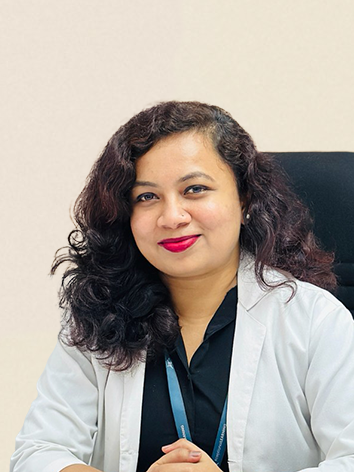
Rakshitha S

Consultant Speech Swallow pathologist, Digital practitioner -SLP

The 57th Annual Conference of the Indian Speech and Hearing Association (ISHACON 2026), held from January 30 to February 1, 2026, at the AUDA Auditorium, Karnavati Club Road, Ahmedabad, Gujarat, was a landmark event that brought together professionals, researchers, academicians, and students from across the country and beyond. With the theme “Innovations Beyond Boundaries,” the conference served as a dynamic platform to exchange knowledge, explore advancements, and foster collaboration in the fields of audiology and speech-language pathology. 

Scientific Schedule and Conference Highlights

This prestigious annual conference is widely regarded as one of the most influential gatherings for speech and hearing professionals in India. It provided attendees with opportunities to engage in scientific discussions, attend keynote sessions, participate in workshops and panel discussions, and explore emerging technologies shaping the future of rehabilitation and clinical practice.

A Hub of Knowledge, Innovation, and Professional Growth

ISHACON 2026 featured an extensive scientific program comprising keynote lectures, plenary sessions, panel discussions, oral presentations, and poster sessions. These sessions addressed critical areas such as pediatric audiology, neurogenic communication disorders, dysphagia management, hearing restoration, autism intervention, voice care, and technological advancements in assessment and therapy. 

Key Sessions, Topics, and Expert Insights from ISHACON 2026

Renowned experts and thought leaders shared their insights on topics such as instrumental voice assessment, executive function in learning, tele-rehabilitation trends, neurodiversity perspectives, and innovations in audiological protocols. The conference also highlighted the integration of technology into clinical practice, emphasizing digital tools, telehealth platforms, and affordable innovations that enhance accessibility and efficiency in service delivery.

The conference provided a comprehensive overview of the current landscape of speech and hearing sciences while encouraging professionals to explore innovative approaches that transcend traditional boundaries.

XceptionalLEARNING Participation at ISHACON 2026

We were honored to actively participate in this prestigious national conference. Our team members, Ms. Rakshitha, Ms. Kavya, Ms. Brijith, and Ms. Ashla, attended the event and contributed to representing our organization’s vision and technological advancements in the field.

In addition to attending the scientific sessions and networking with professionals, we had the opportunity to host an exhibition stall at the conference venue. Hosting a stall at such a prominent event allowed us to directly engage with a diverse audience, including clinicians, academicians, students, entrepreneurs, and researchers.

The experience was both rewarding and inspiring, as it enabled us to showcase our solutions and interact with professionals who are actively contributing to the advancement of speech and hearing sciences.

Exceptional Response to Our Exhibition Stall

Our exhibition stall received an overwhelming response from conference attendees. Over the course of the conference, more than 400 visitors stopped by our stall to learn about our offerings, engage in discussions, and explore our digital solutions.

This enthusiastic participation demonstrated the growing interest in innovative tools and technology-driven solutions in clinical practice and rehabilitation. Visitors expressed curiosity, asked insightful questions, and showed keen interest in understanding how our platform can enhance therapy delivery, improve patient engagement, and streamline clinical workflows.

The interactions we had at the stall were meaningful and productive, allowing us to connect with professionals from different regions and clinical backgrounds.

Product Demonstrations for Practicing Professionals

One of the key highlights of XceptionalLEARNING’s participation at ISHACON 2026 was conducting live product demonstrations for more than 50 practicing professionals, including speech-language pathologists, audiologists, and rehabilitation specialists.

During these demonstrations, clinicians explored the XceptionalLEARNING (XL) Portal, a comprehensive digital therapy and assessment platform designed for structured clinical practice. We showcased how therapists can use the platform for clinical assessment, therapy planning, session execution, progress tracking, and documentation in a streamlined digital environment.

We also introduced professionals to the XL Marketplace, where therapists can access ready-to-use digital therapy resources, activity modules, and tools that can be immediately integrated into their therapy sessions.

Practicing clinicians appreciated how the platform simplifies therapy workflow, improves patient engagement, and supports measurable progress tracking. Many expressed strong interest in adopting such digital solutions to enhance efficiency, accessibility, and therapy outcomes in their routine practice.

The encouraging feedback from professionals reinforced XceptionalLEARNING’s commitment to developing clinician-friendly, technology-driven solutions that address real-world challenges in speech and hearing rehabilitation.

Engaging and Inspiring the Next Generation

In addition to interacting with experienced professionals, we also had the opportunity to connect with students pursuing careers in audiology and speech-language pathology. These interactions were particularly meaningful, as students represent the future of the profession.

We introduced students to the DPT (Digital Professional Training) course, highlighting its relevance in today’s evolving healthcare landscape. The course is designed to equip students and professionals with essential digital skills, practical knowledge, and clinical competencies required for modern therapy delivery.

Students showed great enthusiasm in learning about opportunities that combine clinical expertise with digital innovation. They were eager to understand how technology can enhance therapy effectiveness and expand professional opportunities.

By engaging with students, we aimed to inspire them to embrace innovation and prepare themselves for the future of rehabilitation.

Networking and Collaboration Opportunities

ISHACON 2026 provided an exceptional platform for networking and collaboration. We had the opportunity to connect with professionals from hospitals, rehabilitation centers, academic institutions, and private practices.

These interactions facilitated meaningful discussions on current clinical challenges, technological needs, and opportunities for collaboration. Networking at such events plays a crucial role in fostering professional growth, knowledge exchange, and innovation.

Meeting professionals from diverse backgrounds helped us gain valuable insights into the evolving needs of the field and reinforced the importance of continuous learning and adaptation.

Key Takeaways from ISHACON 2026

The conference highlighted several important trends shaping the future of speech and hearing sciences:

• Increasing integration of digital tools and tele-rehabilitation
• Growing emphasis on evidence-based practice
• Expansion of interdisciplinary collaboration
• Rising interest in technology-assisted therapy solutions
• Greater focus on accessibility and affordability of services

These trends reflect the ongoing transformation of the field and emphasize the need for professionals to stay updated with technological advancements.

A Successful and Memorable Experience

Our participation in ISHACON 2026 was an immensely successful and enriching experience. Hosting a stall allowed us to showcase our innovations, interact with a large number of professionals, and contribute to the advancement of the field.

The fact that over 400 attendees visited our stall and more than 50 practicing professionals participated in product demonstrations highlights the strong interest in digital solutions for speech and hearing rehabilitation.

Engaging with students and introducing them to the DPT course further strengthened our mission to empower future professionals with the knowledge and skills needed to thrive in a technology-driven healthcare environment.

Looking Ahead

ISHACON 2026 reinforced the importance of innovation, collaboration, and continuous learning in advancing speech and hearing sciences. Events like these play a vital role in bringing professionals together, fostering knowledge exchange, and inspiring progress.

We are grateful for the opportunity to be part of this prestigious conference and look forward to participating in future events. Our experience at ISHACON 2026 has strengthened our commitment to developing innovative solutions, supporting professionals, and contributing to the growth of the speech and hearing community.

As we move forward, we remain dedicated to empowering clinicians, enhancing therapy delivery, and shaping the future of rehabilitation through innovation and technology.

For inquiries or to request a free demo, contact us or WhatsApp us directly at +91 892128 7775 for quick, personalized guidance from our team to support your child’s speech journey, and explore moments from ISHACON 2026 in our gallery to see highlights from the event.

A Case Study: When Speech Is Hard to Plan in a Child with Apraxia and Autism

Reading Time: 3 minutes

Written by

Brijith Maria Anto

Junior Subject Specialist – SLP

Speech therapy is often misunderstood as teaching children sounds or words.
But for some children, the real challenge lies much deeper — in planning, sequencing, and coordinating speech itself.

This became evident while working with a 4-year-old child diagnosed with moderate Childhood Apraxia of Speech (CAS) along with Autism Spectrum Disorder (ASD).

He was an eager learner, curious and observant, yet speech did not come easily. His attempts were inconsistent. Sometimes a sound appeared clearly, and sometimes it disappeared completely. He could imitate better than he could speak spontaneously, and sequencing sounds into syllables was especially difficult.

This was not a lack of effort or understanding.
It was a difficulty in motor planning.

Understanding the Challenge

In children with apraxia, speech is not automatic. The brain knows what it wants to say, but struggles to send accurate instructions to the muscles involved in speech. When autism coexists, additional challenges such as attention regulation, sensory preferences, and motivation can further impact progress.

In this child:

  • Sound production was inconsistent
  • Sequencing sounds was difficult
  • Imitation was stronger than spontaneous speech
  • Attention fluctuated easily, especially around visual stimuli

Yet, he was alert, interested, and showed a strong desire to learn.

This combination meant therapy had to be highly structured, but also highly engaging.

Therapy Approach: Building Speech Step by Step

Intervention began at the most basic level — sound placement.

Instead of expecting immediate verbal output, the focus was first on helping the child understand how sounds are made. With physical guidance and tactile cues, articulator placement was established. For example, for bilabial sounds, lip closure was supported manually. For vowel production, jaw stability and movement were facilitated using appropriate aids.

Initially, therapy focused on individual sound production through repeated trials. Each sound was practiced until the child could produce it with greater awareness and consistency. Only after this foundation was established did we move to CV combinations such as pa, pi, po.

Rather than rushing into longer words, progress was deliberately gradual — respecting the child’s motor learning pace.

To support learning, rhymes and cartoon-based visuals were introduced. These helped the child anticipate movements and retain articulatory patterns more easily. Over time, he began producing sounds with reduced clinician prompting.

Alongside sound blending, functional monosyllabic and bisyllabic words were introduced — words that mattered to the child and were useful in daily routines. This helped bridge the gap between practice and real communication.

Role of XceptionalLEARNING in Accelerating Progress

One of the key factors that positively influenced this child’s pace of progress was the customised digital support provided through XceptionalLEARNING.

The child showed a strong interest in screens and visual stimuli. Instead of viewing this as a distraction, therapy was adapted to use this preference purposefully.

Through the XceptionalLEARNING platform:

  • Customised materials were created specifically for this child
  • Colourful, child-specific visuals helped sustain attention
  • Visuals were paired with clear audio outputs, allowing the child to repeatedly hear and imitate target sounds
  • Consistent audio models supported better sound imitation and motor planning
  • Sessions became more engaging, reducing resistance and increasing participation

The combination of visual cues and auditory feedback allowed the child to practise sounds more independently and with greater interest. As engagement improved, the number of attempts increased, which is critical in apraxia therapy.

This structured yet engaging approach helped improve the pace of learning, without compromising accuracy or overwhelming the child.

Managing Attention and Motivation

While the child was easily drawn to screens, he was also a fast learner when appropriately engaged. Therapy focused on maintaining a balance — using visuals as support, not distraction.

By keeping tasks short, purposeful, and visually appealing, attention was channeled into learning rather than avoidance. The child began showing excitement during sessions, especially when he recognized sounds and words he had practiced earlier.

Progress was not sudden, but it was steady and meaningful.

What This Case Highlights

Children with apraxia and autism do not need faster therapy —
they need smarter, individualized therapy.

This case reinforced the importance of:

  • Breaking speech into small motor steps
  • Repetition with clear auditory models
  • Using a child’s interests to enhance engagement
  • Moving from sounds → syllables → functional words
  • Supporting motor planning without pressuring verbal output

Key Takeaway

Speech therapy for children with apraxia and autism is not about forcing words to emerge.

It is about:

  • Helping the brain plan movement
  • Giving the child enough meaningful practice
  • Creating an environment where learning feels achievable and motivating

With the right structure, guidance, and thoughtfully customized materials, children with apraxia and autism can move forward — not hurriedly, but confidently. Supported by the XceptionalLEARNING digital therapy platform, guided by licensed therapists online and strengthened through inclusive education digital projects from a leading therapy technology company, learning can continue beyond sessions in an engaging and achievable way. If you’re looking for personalized support for your child’s speech journey, contact us or WhatsApp us directly at +91 892128 7775 for quick guidance from our team.

Advancing Inclusive Education through Digital Empowerment: Andhra Pradesh’s Journey with XceptionalLEARNING

Reading Time: 4 minutes

Written by

Keerthy Joselin. C

Special Educator

Introduction

From 20th November to 17th December 2025, my team and I had the opportunity to facilitate the Phase 2 Digital Training Program at Heal Paradise, Vijayawada, under Samagra Shiksha Andhra Pradesh. This month-long initiative represented a significant stride toward creating a digitally empowered inclusive education ecosystem across the state through the XceptionalLEARNING platform. Working closely with Inclusive Education Resource Persons (IERPs) and School Assistants (Spl. Ed.), we witnessed how technology can effectively transform teaching practices for children with special needs, reinforcing its role as a driving force for sustainable equity and inclusion.

A Platform for Professional Growth

Over the month, our team and I trained IERPs and SAs from across Andhra Pradesh in mastering the XceptionalLEARNING platform to enhance inclusive education in schools and Bhavitha Centre practices. The program fostered collaboration, with sessions linking digital tools to real-world inclusive education challenges.

Each three-day batch integrated concept sessions, platform walkthroughs, hands-on digital documentation, and live case consistently demonstrations mirroring authentic student scenarios. This approach demonstrated how secure data and defined goals enable precise planning and decision-making for learners with disabilities.

Aligning with DHRISHTI Vision 

This program aligned seamlessly with the visionary DHRISHTI (Digital Holistic Resource for Inclusive Support, Hybrid Therapy and Intervention) Project, whose core objective is to ensure equitable access to quality intervention for children with special needs through digital technology and innovative learning tools. By focusing on identifying individual learning requirements, enhancing academic and functional skills, and supporting inclusive practices via structured interventions, DHRISHTI empowers educators with training and resources to create student-centric environments that foster confidence, independence, and holistic development. Ultimately, this initiative builds a more accessible intervention system across Andhra Pradesh’s Bhavitha Centres and inclusive schools, with the Phase 2 Digital Training Program serving as a practical implementation of its transformative goals.

My Experience in the Digital Classroom

In the initial days, participants transitioned from paper-based processes to digital workflows. Real-time Telugu support and technical assistance helped IERPs and SAs gain confidence in navigating modules, entering case histories, assessments, goals thereby creating Individualized Education Plans (IEPs).

As sessions advanced, participants independently executed workflows while we provided targeted support. As the sessions progressed, many participants began managing workflows independently while our team provided targeted guidance and support. The use of generic templates streamlined assessments and strengthened service continuity across Bhavitha Centres, transforming training sessions into engaging spaces focused on collaboration, problem-solving, and shared professional growth.

Technology that Serves People

One of the most meaningful observations during the program was seeing how technology can reduce the burden on families and educators when it is thoughtfully designed. In one discussion, a teacher described how a parent needed to narrate her child’s case history only once, with the information securely stored and editable over time—clearly illustrating the human value of a well-built digital system.

Experiences like these reaffirmed that digital platforms are not just repositories of data but tools that protect dignity, reduce repetition, and allow teachers to focus on meaningful interaction and the betterment of each student.

Learning with a Dedicated Team

The program’s impact was greatly strengthened by strong leadership and coordination at multiple levels within the state project. The consistent emphasis on building a digital-first, inclusive programme ensured that the training remained aligned with broader systemic goals rather than functioning as a one-time event.

Working alongside the XceptionalLEARNING team was equally valuable, as their structured, outcome-oriented approach kept every session practical and relevant. Their focus on sustainable and ethically sound digital practices highlighted how day-to-day documentation and planning by educators can contribute to statewide quality and accountability.

Building Digital Competence in Inclusive Education

Throughout the digital training program, IERPs and School Assistants strengthened their skills and confidence in using technology to enhance inclusive education practices.

  • Digital proficiency: Participants successfully moved from paper-based methods to efficient digital workflows using the XceptionalLEARNING platform.
  • Confidence building: Real-time Telugu support and technical guidance helped them become comfortable and confident in using digital tools.
  • Structured documentation: Generic templates improved consistency and ensured continuity of services across Bhavitha Centres.
  • Practical application: Concept sessions and live demonstrations based on real student cases connected digital tools with classroom realities.
  • Data-driven practices: Secure documentation methods supported informed planning and decision-making for learners with disabilities.
  • Collaborative learning: Peer interaction fostered teamwork, reflection, and shared problem-solving.
  • Ethical technology use: Participants developed awareness of responsible data management and sustainable digital practices that promote accountability.

Conclusion

This one-month experience facilitating the Phase 2 Digital Training Program at Heal Paradise underscored that purposeful digital integration is central to building a sustainable and supportive inclusive ecosystem in Andhra Pradesh. The steady shift of IERPs and SAs from paper-based practices to confident, independent use of the XceptionalLEARNING platform highlighted how structured mentoring, contextual support, and standardized workflows can directly enhance the quality of services for children with special needs. This journey has reinforced a professional commitment to advancing such initiatives so that technology continues to serve as a strategic enabler of equity, accountability, and meaningful learning across all Bhavitha Centres and inclusive schools.

Building on these insights—and as outlined in our earlier published blog Laying the Foundation for a Pan-India Digital Rehabilitation Model: Reflections from Project DHRISHTIXceptionalLEARNING remains dedicated to expanding technology-driven Individualized Special Education Programs across the country; for collaborations, training assistance, or large-scale implementation support aimed at empowering our core Beneficiaries, contact us to help build scalable and impactful digital empowerment models nationwide.

Workshop on Technology-Integrated Sustainable Clinical Practice

Reading Time: 3 minutes

Written by

Brijith Maria Anto

Junior Subject Specialist – SLP

Organized by: SRM Institute of Science and Technology, Chennai
Date: November 3, 2025
Time: 2:00 PM – 4:30 PM
Resource Persons:

  • Ms. Rakshitha S, Senior Subject Specialist – Speech-Language Pathology
  • Ms. Brijith Maria, Junior Subject Specialist – Speech-Language Pathology

Introduction

The Department of Speech and Hearing, SRM Institute of Science and Technology, organized a workshop titled “Technology-Integrated Sustainable Clinical Practice” on November 3, 2025.

The session was facilitated by Ms. Rakshitha S. and Ms. Brijith Maria, representing XceptionalLEARNING, with the objective of enhancing awareness about integrating technology in clinical practice to promote sustainability, efficiency, and client-centered care.

Inauguration and Welcome Address

The event was inaugurated by:

  • Dr. Nithin M. Nagarkar, Pro Vice-Chancellor (MHS)
  • Dr. B. Rajashekhar, Advisor (AHS)
  • Dr. R. Venkatraman, Medical Superintendent

In his welcome address, Dr. U. Ganapathy Sankar, Dean, emphasized the growing relevance of adopting digital tools across rehabilitation disciplines to achieve measurable and meaningful clinical outcomes.

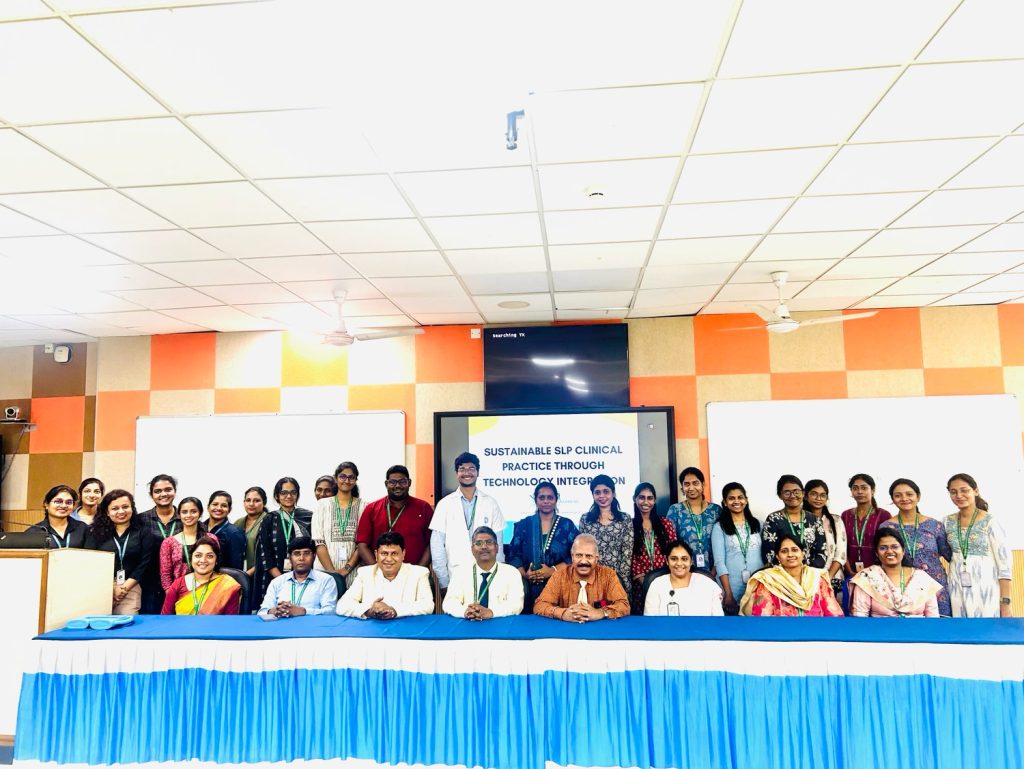
SRM Institute and XceptionalLEARNING teams at the Workshop on Technology-Integrated Sustainable Clinical Practice, Chennai.

Workshop Overview

The workshop focused on demonstrating how technology can transform traditional therapy methods into sustainable, structured, and data-driven practices.

Through an interactive session, the speakers illustrated how the XceptionalLEARNING (XL) Platform supports therapists in:

  • Designing customized, goal-based therapy sessions for children with diverse communication needs
  • Ensuring consistency in articulation and language therapy through digital templates and structured activity books
  • Tracking therapy progress through visual data and measurable performance indicators
  • Facilitating home practice through guided activities accessible to parents
  • Streamlining documentation and report generation within a unified digital platform

A live demonstration of the XL Platform showcased practical applications for real-world therapy scenarios, highlighting how therapists can personalize materials, monitor engagement, and adapt activities based on client progress.

Participant Engagement and Queries

The session witnessed enthusiastic participation from students and faculty members, who actively engaged in discussions about implementing hybrid models of therapy in their clinical setups.

Participants also raised queries regarding subscription plans and pricing for the XceptionalLEARNING Platform, reflecting their interest in exploring digital integration within their own practice settings.

Impact of the Workshop

The workshop provided valuable insights into how technology can enhance various aspects of clinical practice by:

  • Promoting consistency and continuity in therapy delivery
  • Increasing client engagement through interactive, evidence-based tools
  • Simplifying data management and documentation
  • Encouraging interdisciplinary collaboration across rehabilitation domains

Participants appreciated the clarity of demonstrations, practical examples, and the opportunity to bridge theoretical knowledge with real-world clinical applications.

Conclusion

The workshop successfully achieved its objective of promoting awareness about technology-enabled sustainable clinical practice.

Representing XceptionalLEARNING at SRM Institute of Science and Technology was an enriching experience for the resource persons, reaffirming the importance of innovation in modern therapeutic education and service delivery.

Sincere thanks are extended to SRM Institute of Science and Technology for organizing the event and to XceptionalLEARNING for their continued commitment to advancing clinical excellence through digital transformation.

The session highlighted that sustainable therapy practice is not about replacing human connection but enhancing it — making therapy more accessible, efficient, and impactful for both therapists and clients.

At XceptionalLEARNING, our best speech-language pathologists blend innovation with care to make therapy engaging and effective. Contact us to explore our expert Speech Therapy services.