A Platform for Advancing Brain Health and Cognitive Science
The 1st International Conference on Clinical Neuropsychology and Cognitive Neuroscience, organized by the Department of Clinical Psychology at the National Institute of Mental Health and Neurosciences (NIMHANS), Bengaluru, brought together clinicians, researchers, academicians, and students from across the globe. The conference served as an important platform to explore emerging trends in brain health, cognitive science, and interdisciplinary rehabilitation practices.
Representing XceptionalLEARNING at the Conference
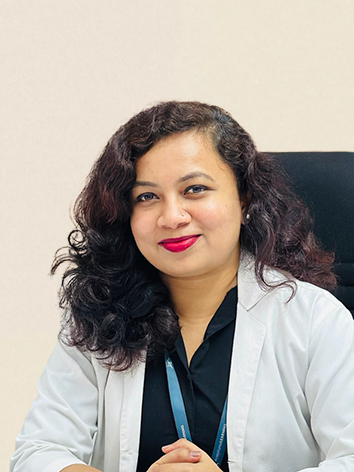
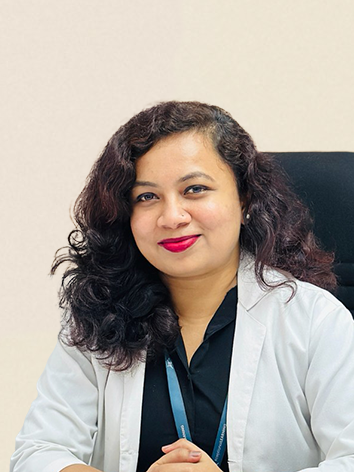
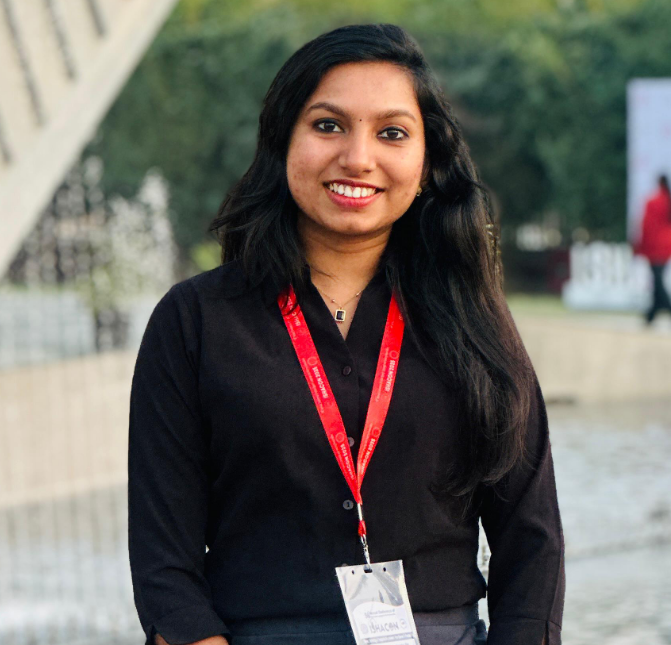
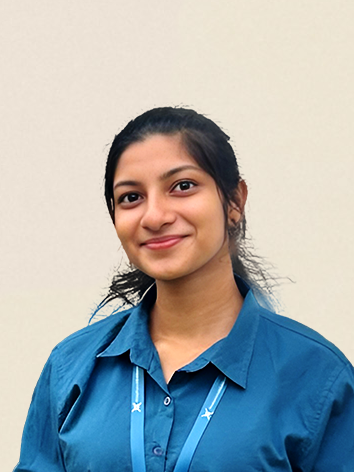
Our team — Ms. Meha, Ms. Minnu, Ms. Akshara, and Ms. Brijith — represented XceptionalLEARNING at the event through an exhibition stall. This gave us the opportunity to introduce attendees to our digital therapy, assessment, and rehabilitation solutions.
The stall attracted professionals from psychology, neuropsychology, speech and hearing backgrounds, as well as students and researchers from various institutions. It became a platform to showcase the XceptionalLEARNING ecosystem, including our therapy portal, VergeTAB, and XL Connect app.
Curious about how XceptionalLEARNING can transform your therapy practice?
Chat with us on WhatsApp to learn more about our digital therapy solutions.
Demonstrating Digital Therapy and Assessment Solutions
Visitors explored our platform’s capabilities, including:
- Case history documentation
- Assessment tools and goal-setting features
- Digital assessments and video conferencing
- Content creation and management system
We also shared details about our DPT course and highlighted the platform’s HIPAA-compliant data security, which generated significant interest among clinicians concerned with safe digital data management.
Students and early-career professionals were particularly engaged with the Marketplace feature, allowing therapists to create professional profiles, gain global visibility, and explore new opportunities for collaboration.
Highlighting Technology in Interdisciplinary Rehabilitation
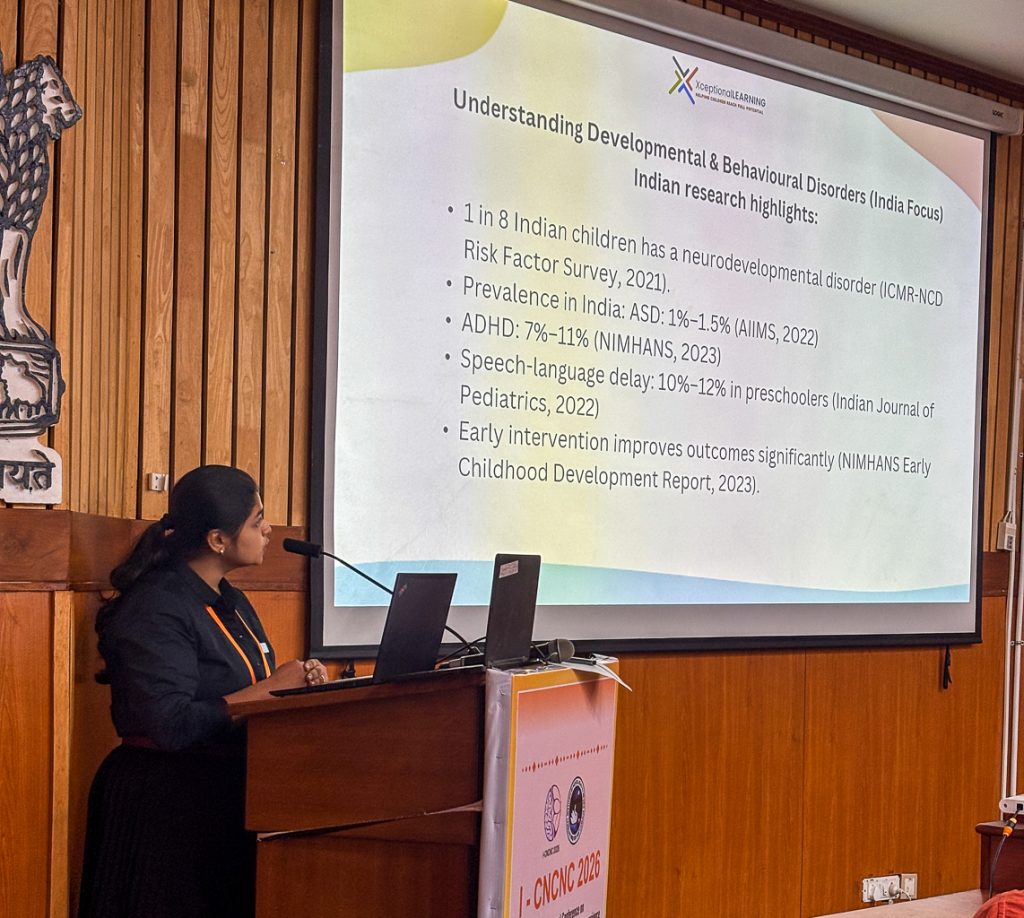
One of the conference highlights was a presentation by Ms. Akshara, titled “Digital Bridges to Brain Health: Technology-Enabled Interdisciplinary Rehabilitation for Childhood Developmental Disorders.”
The session emphasized how technology supports interdisciplinary intervention and improves therapy outcomes for children with developmental conditions. It also sparked engaging discussions about clinical applicability and data security, where our team explained the platform’s adherence to HIPAA-compliant protocols.
Exploring Expanding Clinical Applications
Several professionals inquired about the platform’s applicability for adult therapy, including counselling sessions and documentation of therapeutic processes. These conversations opened meaningful discussions on the potential for digital tools to support a wider range of clinical practices beyond childhood intervention.
Engaging Interactions and Positive Responses
The response from conference participants was very encouraging. Many visitors interacted with our team, shared their perspectives, and expressed appreciation for the integration of technology into therapy and rehabilitation practices.
Several attendees also showed interest in exploring the platform further through live demonstrations at their convenience. In addition to the stall interactions, the conference provided opportunities to explore other exhibition spaces showcasing innovative developments in psychology and neuropsychology. These experiences offered valuable insights into current research trends, technological advancements, and interdisciplinary approaches shaping the future of brain health and cognitive neuroscience.
Event Gallery
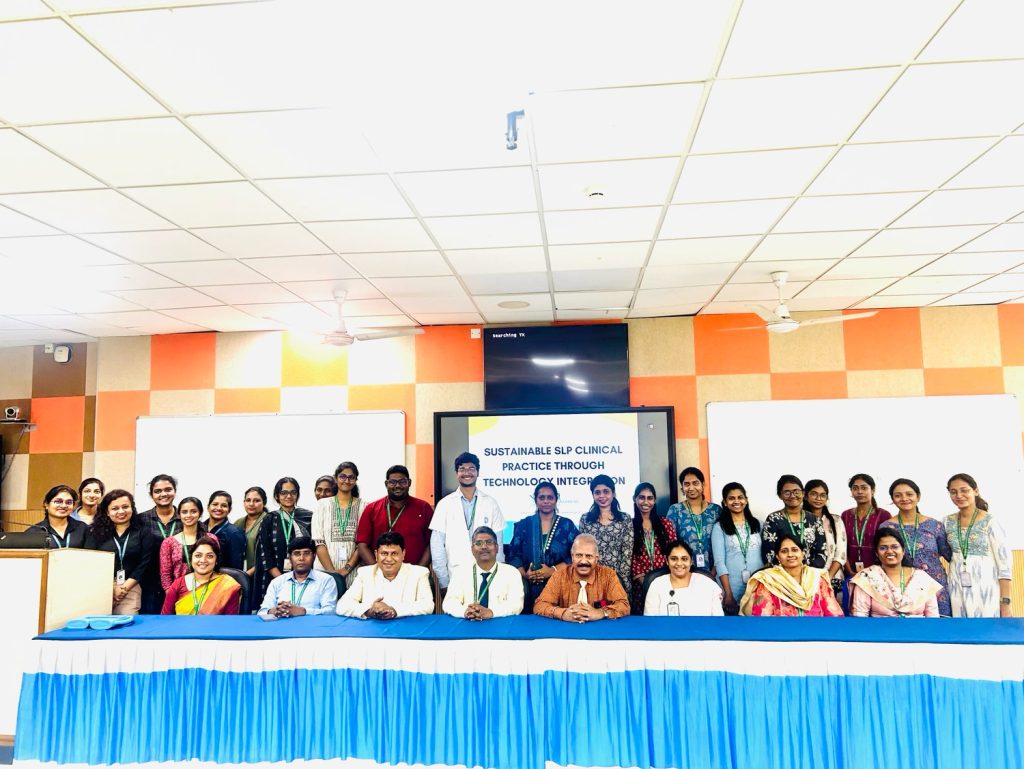
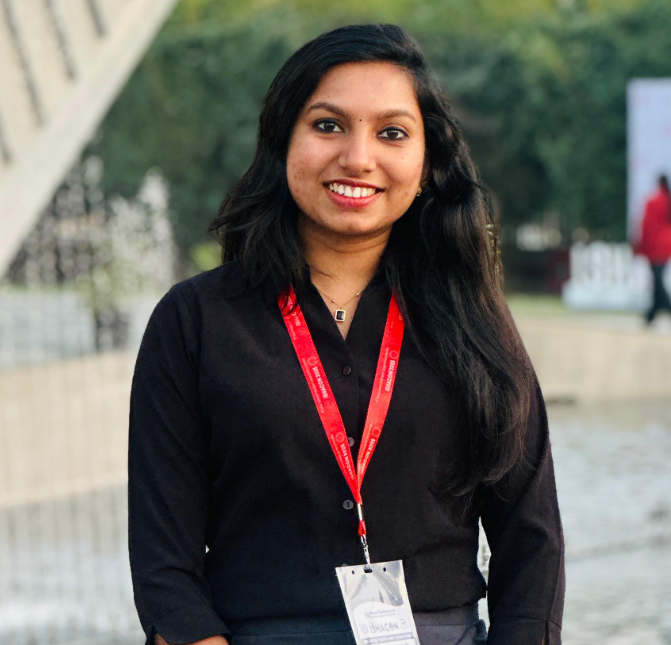
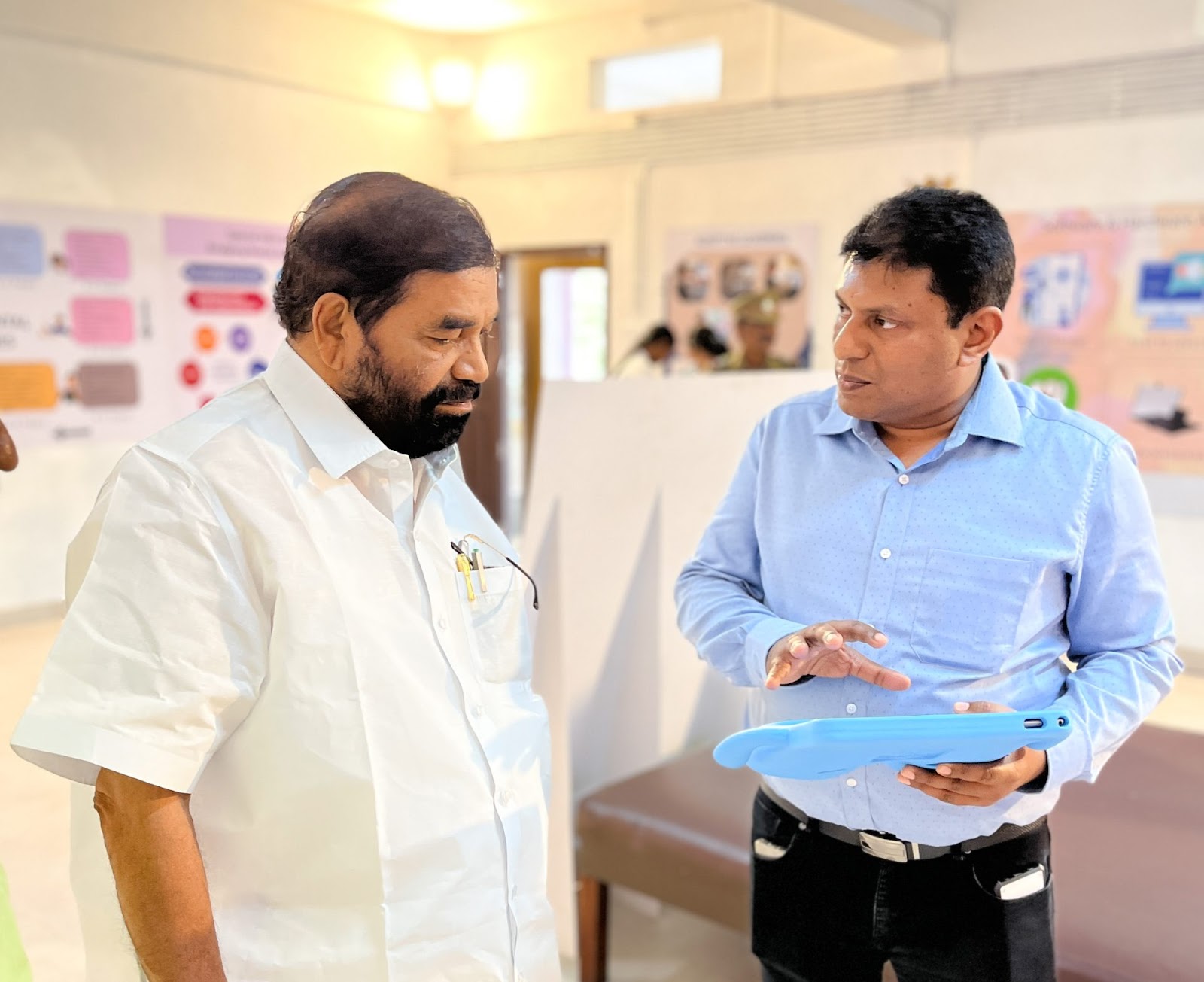
We captured some memorable moments from the conference, including engaging interactions at our exhibition stall and our team’s presentations. Explore the gallery to see how XceptionalLEARNING connected with clinicians, researchers, and students during the event.
XceptionalLEARNING at I-CNCNC 2026 – NIMHANS, Bengaluru
Moments from our participation in the International Conference on Clinical Neuropsychology and Cognitive Neuroscience, showcasing demonstrations, presentations, and professional interactions.
Reflections from the Conference Experience
Participating in this international conference was an enriching experience for our team. We connected with professionals from diverse disciplines, exchanged ideas, and showcased how technology can enhance therapy, assessment, and rehabilitation practices.
The positive responses from attendees reinforced the importance of digital solutions in clinical practice, and we are excited to continue these conversations through future collaborations, live demonstrations, and shared efforts toward advancing technology-enabled therapy and brain health.
Join the growing community of clinicians and therapists transforming therapy outcomes with XceptionalLEARNING. Contact Us to learn more today!