
A Case Study: When Speech Is Hard to Plan in a Child with Apraxia and Autism

Reading Time: 3 minutes

Written by

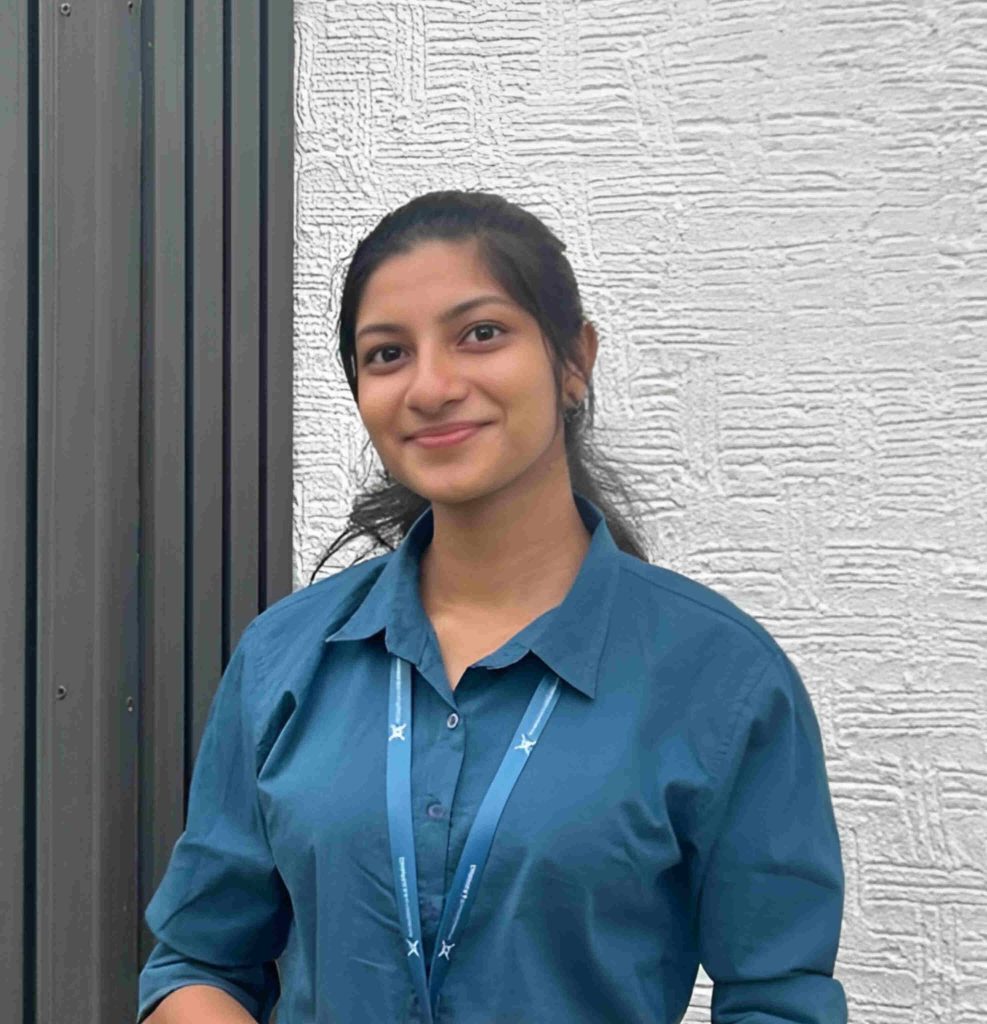
Brijith Maria Anto

Junior Subject Specialist – SLP

Speech therapy is often misunderstood as teaching children sounds or words.
But for some children, the real challenge lies much deeper — in planning, sequencing, and coordinating speech itself.

This became evident while working with a 4-year-old child diagnosed with moderate Childhood Apraxia of Speech (CAS) along with Autism Spectrum Disorder (ASD).

He was an eager learner, curious and observant, yet speech did not come easily. His attempts were inconsistent. Sometimes a sound appeared clearly, and sometimes it disappeared completely. He could imitate better than he could speak spontaneously, and sequencing sounds into syllables was especially difficult.

This was not a lack of effort or understanding.
It was a difficulty in motor planning.

Understanding the Challenge

In children with apraxia, speech is not automatic. The brain knows what it wants to say, but struggles to send accurate instructions to the muscles involved in speech. When autism coexists, additional challenges such as attention regulation, sensory preferences, and motivation can further impact progress.

In this child:

  • Sound production was inconsistent
  • Sequencing sounds was difficult
  • Imitation was stronger than spontaneous speech
  • Attention fluctuated easily, especially around visual stimuli

Yet, he was alert, interested, and showed a strong desire to learn.

This combination meant therapy had to be highly structured, but also highly engaging.

Therapy Approach: Building Speech Step by Step

Intervention began at the most basic level — sound placement.

Instead of expecting immediate verbal output, the focus was first on helping the child understand how sounds are made. With physical guidance and tactile cues, articulator placement was established. For example, for bilabial sounds, lip closure was supported manually. For vowel production, jaw stability and movement were facilitated using appropriate aids.

Initially, therapy focused on individual sound production through repeated trials. Each sound was practiced until the child could produce it with greater awareness and consistency. Only after this foundation was established did we move to CV combinations such as pa, pi, po.

Rather than rushing into longer words, progress was deliberately gradual — respecting the child’s motor learning pace.

To support learning, rhymes and cartoon-based visuals were introduced. These helped the child anticipate movements and retain articulatory patterns more easily. Over time, he began producing sounds with reduced clinician prompting.

Alongside sound blending, functional monosyllabic and bisyllabic words were introduced — words that mattered to the child and were useful in daily routines. This helped bridge the gap between practice and real communication.

Role of XceptionalLEARNING in Accelerating Progress

One of the key factors that positively influenced this child’s pace of progress was the customised digital support provided through XceptionalLEARNING.

The child showed a strong interest in screens and visual stimuli. Instead of viewing this as a distraction, therapy was adapted to use this preference purposefully.

Through the XceptionalLEARNING platform:

  • Customised materials were created specifically for this child
  • Colourful, child-specific visuals helped sustain attention
  • Visuals were paired with clear audio outputs, allowing the child to repeatedly hear and imitate target sounds
  • Consistent audio models supported better sound imitation and motor planning
  • Sessions became more engaging, reducing resistance and increasing participation

The combination of visual cues and auditory feedback allowed the child to practise sounds more independently and with greater interest. As engagement improved, the number of attempts increased, which is critical in apraxia therapy.

This structured yet engaging approach helped improve the pace of learning, without compromising accuracy or overwhelming the child.

Managing Attention and Motivation

While the child was easily drawn to screens, he was also a fast learner when appropriately engaged. Therapy focused on maintaining a balance — using visuals as support, not distraction.

By keeping tasks short, purposeful, and visually appealing, attention was channeled into learning rather than avoidance. The child began showing excitement during sessions, especially when he recognized sounds and words he had practiced earlier.

Progress was not sudden, but it was steady and meaningful.

What This Case Highlights

Children with apraxia and autism do not need faster therapy —
they need smarter, individualized therapy.

This case reinforced the importance of:

  • Breaking speech into small motor steps
  • Repetition with clear auditory models
  • Using a child’s interests to enhance engagement
  • Moving from sounds → syllables → functional words
  • Supporting motor planning without pressuring verbal output

Key Takeaway

Speech therapy for children with apraxia and autism is not about forcing words to emerge.

It is about:

  • Helping the brain plan movement
  • Giving the child enough meaningful practice
  • Creating an environment where learning feels achievable and motivating

With the right structure, guidance, and thoughtfully customized materials, children with apraxia and autism can move forward — not hurriedly, but confidently. Supported by the XceptionalLEARNING digital therapy platform, guided by licensed therapists online and strengthened through inclusive education digital projects from a leading therapy technology company, learning can continue beyond sessions in an engaging and achievable way. If you’re looking for personalized support for your child’s speech journey, contact us or WhatsApp us directly at +91 892128 7775 for quick guidance from our team.


A Case Study on Using Digital Self-Monitoring Tools to Support Fluency After Discharge

Reading Time: 3 minutes

Written by

Kavya S Kumar

Speech Language Pathologist

Fluency intervention doesn’t always end at discharge. In fact, for many children who stutter, the most meaningful progress happens after structured therapy—when skills are practiced independently in real-life situations.
This case study highlights how digital self-monitoring tools played a crucial role in supporting long-term fluency for Joel, an 8-year-old boy with language-specific stuttering.

Background: Understanding Joel’s Fluency Profile

Joel, an 8-year-old school-going child, was referred for speech therapy due to persistent stuttering, which was more prominent in Malayalam than in English.

Key observations at intake:
  • Increased repetitions and prolongations during Malayalam conversations
  • Relatively better fluency in English, especially in structured or school-related contexts
  • Heightened disfluency during:
    • Storytelling
    • Emotional expression
    • Speaking with unfamiliar listeners
  • Mild awareness of his stuttering, with occasional frustration

This language-specific variability became an important consideration while planning intervention.

One-Month Fluency Intervention: What Was Done

Joel underwent one month of structured fluency therapy, focusing on:

  • Easy onset techniques
  • Reduced speech rate
  • Pausing and phrasing strategies
  • Desensitization to stuttering moments
  • Language-specific practice in Malayalam, where disfluency was higher

Sessions were interactive, age-appropriate, and incorporated storytelling and conversational tasks in both languages.

By the end of the month:

  • Joel demonstrated improved fluency control
  • Increased confidence while speaking
  • Better self-awareness without anxiety
  • Ability to self-correct using learned strategies

Based on consistent progress, he was discharged with regular follow-ups planned.

Discharge Planning: Why Self-Monitoring Was Essential

While Joel had achieved functional fluency gains, stuttering is known to fluctuate with:

  • Emotional states
  • Language load
  • Environment
  • Listener demands

To ensure maintenance and generalization of skills, Joel and his caregivers were introduced to digital self-monitoring tools as part of the discharge plan.

Instance of Using XceptionalLEARNING in Joel’s Fluency Intervention

To strengthen Joel’s fluency gains—especially after discharge—XceptionalLEARNING technology was integrated as a structured support system during intervention and follow-up.

During the Active Intervention Phase

While Joel was attending in-clinic sessions, XceptionalLEARNING was used to:

  • Create language-specific fluency activities
    Separate digital activities were designed for Malayalam and English, allowing focused practice where disfluency was higher.
  • Assign guided home practice tasks
    Short, child-friendly tasks (story narration, sentence expansion, conversational prompts) were shared digitally for continuity between sessions.
  • Track session-wise progress
    The therapist documented fluency behaviors, strategy usage, and contextual triggers directly on the platform, helping refine therapy goals quickly.

Digital self-monitoring tools: What was recommended

When Joel was discharged after one month, XceptionalLEARNING became a carryover and self-monitoring tool rather than a therapy-only platform.

Specific use cases included:
  • Digital self-recording tasks
    Joel recorded short speech samples (especially in Malayalam) during storytelling or daily conversations.
  • Structured self-reflection prompts
    Simple questions embedded in activities helped Joel identify:
    • Where his speech felt smooth
    • When he remembered to slow down or pause
  • Visual progress indicators
    Age-appropriate visuals helped him see consistency rather than focus on occasional disfluency.

Why Digital Self-Monitoring Worked for Joel

1. Encouraged Self-Awareness (Not Self-Criticism)

Instead of focusing on “errors,” Joel learned to notice patterns, especially how Malayalam increased speech load.

2. Supported Language-Specific Fluency

Separate tracking for Malayalam and English helped:

  • Normalize differences between languages
  • Reduce frustration
  • Reinforce success in both contexts
3. Promoted Independence

Joel didn’t have to wait for therapy sessions to reflect on his speech—he could do it anytime, anywhere.

4. Strengthened Parent Involvement

Parents could:

  • Review recordings together
  • Provide positive feedback
  • Avoid over-correction while still staying engaged

Follow-Up Sessions Made More Meaningful

During scheduled follow-ups:

  • Therapists reviewed Joel’s uploaded speech samples
  • Discussed real-life speaking challenges (school, peer interactions, storytelling)
  • Modified digital activities when needed—without restarting formal therapy

This ensured continuity of care, even after discharge.

Key Takeaways for Clinicians and Caregivers
  • Stuttering can vary across languages—therapy and follow-up plans must reflect this
  • Discharge does not mean discontinuation of support
  • Digital self-monitoring tools:
    • Enhance carryover
    • Build self-regulation
    • Reduce dependency on the therapist
  • When introduced appropriately, children can take ownership of their fluency journey.

Joel’s journey shows that fluency continues to grow beyond discharge with the right support. XceptionalLEARNING, used on VergeTAB, a dedicated digital therapy tablet, enabled simple self-monitoring and real-life practice. As a trusted digital therapy platform from a leading therapy technology company, it supports clinicians and families through online therapy services for children, an online therapy platform for clinicians, and inclusive education digital projects. Contact us to learn more.

A Case Study: When Speech Therapy Taught Thinking, Not Just Talking

Reading Time: 2 minutes

Written by

Brijith Maria Anto

Junior Subject Specialist – SLP

When we hear the term speech therapy, we often imagine children who struggle to speak — unclear words, short sentences, or limited vocabulary.
But speech therapy is not always about producing more words. Sometimes, it is about helping a child think, judge, and respond meaningfully in real-life situations.

This became very clear to me while working with an 8-year-old child diagnosed with high-functioning autism.

Case Snapshot

The child had fluent speech and well-developed language skills.
He could answer questions accurately, follow instructions, and express himself clearly when prompted.

Yet, his social interaction was poor.

He wanted to interact with others but always needed a push to begin. Once prompted, his responses sounded rehearsed — almost like by-hearted lines. While he could identify emotions easily, he struggled to understand how to respond when someone else expressed those emotions.

One striking difficulty was question generation.
He could answer almost anything — but when it was his turn to ask a question, he did not know what to ask. His questions followed a fixed, textbook-like pattern, with little flexibility based on the situation.

What Was Really Difficult?

The challenge was not speech or language.

The real difficulties lay in:

  • Judgement
  • Perspective-taking
  • Flexible thinking
  • Problem-solving in social situations

He had ideas, but struggled to organise them and decide which idea fit which context — especially during group interactions. Starting a conversation, continuing it naturally, or shifting topics felt difficult because he relied heavily on fixed patterns.

Therapy Focus: Moving Beyond Structure

Therapy did not rely only on structured techniques or worksheets.

Instead, sessions involved natural conversations — talking casually about different topics, sharing thoughts, and exploring ideas without a “right answer.”

Real-life hypothetical situations were introduced during these conversations, such as:

“Oh no… the teacher has to go home alone. It’s dark, and she feels scared. What can she do?”

The aim was not a perfect sentence — but thinking of multiple solutions, understanding emotions, and learning to judge situations.

Gradually, peer interactions were also introduced. He began to understand that conversations are shared — one person does not always lead, questions can come from either side, and new topics can be introduced naturally.

What Changed?

As his thinking became more flexible, his communication changed.

He began to:

  • Initiate more naturally
  • Move away from rehearsed patterns
  • Respond better to others’ emotions
  • Understand why certain responses fit certain situations

His speech did not improve because he learned more words —
It improved because he learned how to think in social contexts.

Key Takeaway

Speech therapy is not always about teaching a child what to say.

Sometimes, it is about helping them understand:

  • What fits the situation
  • How another person might feel
  • How conversations naturally flow

Because real communication does not begin with speech.
It begins with thinking.

At XceptionalLEARNING, our digital therapy platform supports meaningful communication by focusing on real-life thinking skills, guided by licensed therapists online. Through inclusive education digital projects and practical digital tools for inclusive education, we empower clinicians and families—contact us to learn more.

A Case Study: From Drill to Functional Speech in a 6-Year-Old with SSD

Reading Time: 3 minutes

Written by

Kavya S Kumar

Speech Language Pathologist

Reflections from a hybrid intervention journey with a 6- year old child

When Ayaan first came for therapy, he was everything you’d expect from a curious six-year-old—talkative, playful, and full of stories. But if you listened closely, his speech wasn’t always easy to understand. Certain sounds disappeared, others were swapped, and in longer sentences his clarity dropped even more.

Like many children with a provisional diagnosis of Speech Sound Disorder (SSD), Ayaan could produce sounds correctly when asked—say it once, repeat after me—but those same sounds seemed to vanish the moment speech became natural.

And that’s where the real challenge began.

When drills worked… but speech didn’t

In the early sessions, Ayaan did well with traditional articulation drills. With visual cues and repetition, he could produce target sounds accurately at the word level. He enjoyed “getting it right” and proudly waited for the next turn.

But outside those moments—while telling a story, answering questions, or chatting during play—the same errors returned. His parents shared a familiar concern:

“He can say it properly in therapy, but we don’t hear it at home.”

This gap between practice and real communication became the focus of intervention.

Shifting the focus: from sounds to communication

Instead of asking Ayaan to repeat sounds again and again, therapy slowly shifted toward how and where speech is actually used.

Technology became a support—not the center of therapy, but a quiet partner that helped create real-life communication moments.

Using interactive digital activities, Ayaan practiced sounds while:

  • Describing pictures
  • Answering simple questions
  • Telling short stories
  • Playing turn-taking games

He wasn’t “doing drills” anymore. He was talking for a reason.

Learning through play, stories, and choice

What made the biggest difference was how natural the sessions began to feel. Ayaan chose activities, reacted to visuals, laughed at silly prompts, and corrected himself when something “didn’t sound right.”

Hearing his own speech played back helped him notice the difference between clear and unclear productions—without constant adult correction. Over time, he began to pause, think, and try again on his own.

That moment—when a child starts monitoring their own speech—is powerful.

Carrying speech beyond the therapy room

The same digital activities were shared with caregivers, with simple guidance:

  • Encourage speech during daily routines
  • Focus on communication, not perfect sounds
  • Praise effort and clarity, not just correctness

This consistency helped Ayaan use his sounds while talking about his day, playing at home, and responding in class. Slowly, speech stopped being an “exercise” and became part of who he was.

What changed for Ayaan?

Over time, Ayaan’s speech became:

  • Clearer in spontaneous conversations
  • More confident and less hesitant
  • Easier for unfamiliar listeners to understand

Most importantly, he stopped worrying about how he sounded and focused on what he wanted to say.

A gentle reminder for clinicians and parents

Ayaan’s journey is a reminder that:

  • Drills build accuracy, but meaning builds carryover
  • Children learn best when speech feels natural, not forced
  • Technology works best when it supports interaction—not replaces it

When therapy looks and feels like real life, children don’t just practice speech. They use it.

Closing thoughts

Moving from drill to functional speech isn’t about abandoning structure—it’s about widening the lens. By blending technology with naturalistic, play-based interaction, therapy can meet children where they truly communicate in stories, conversations, laughter, and everyday moments. And that’s where real change happens.

Ayaan’s journey reminds us that real progress happens when speech is used naturally, not just practised. With the XceptionalLEARNING Platform, therapy supports meaningful communication beyond drills. Contact us to connect with licensed therapists and help your child use speech confidently in everyday life.

How Sensory Play Became The Bridge To Communication For A Child With ASD – A Case Study

Reading Time: 3 minutes

Written by

Brijith Maria Anto

Junior Subject Specialist – SLP

Meet Sathwik

Sathwik, a bright 4½-year-old child, entered therapy with a limited speech output and unique sensory responses that shaped his communication and interaction. Diagnosed with Receptive-Expressive Language Disorder (RELD) secondary to Autism Spectrum Disorder (ASD), Sathwik’s developmental journey reflected both linguistic and sensory challenges that required a holistic, multi-sensory approach to intervention.

Despite his gentle curiosity, Sathwik often engaged in repetitive hand movements, showed reduced eye contact, and demonstrated hypersensitivity to touch and certain sounds. These sensory patterns significantly influenced his ability to attend, engage, and communicate effectively in both structured and play-based settings.

The Challenge

Sathwik’s medical and developmental history revealed:

  • Onset of symptoms: 3.5 years
  • Speech milestones: Babbling at 7 months, first word at 2.5 years, phrase level at 4.5 years, and sentence level not yet achieved
  • Previous interventions: Behavioural, speech, and occupational therapies
  • ISAA score: 78 (Mild Autism)

While his oral peripheral mechanism was normal, he struggled with absent pointing, presence of echolalia, and solo play patterns. His receptive language age ranged from 27–30 months, and expressive language age from 20–22 months, showing a clear developmental gap.

The most prominent challenges observed during therapy included:

  • Poor eye contact and reduced attention to speech
  • Difficulty following simple commands
  • Limited expressive vocabulary
  • Sensory defensiveness to touch, sound, and textures
  • Picky eating and avoidance of sticky or unfamiliar sensory experiences

These sensory processing difficulties directly affected Sathwik’s ability to participate in speech-language activities and regulate his attention.

The Sensory-Language Connection

For Sathwik, sensory experiences were the foundation of communication readiness. His hypersensitivity to touch and sound often led to withdrawal or self-stimulatory behavior, reducing engagement in verbal exchanges. Similarly, excessive smelling behaviors, vacant stares, and occasional self-injurious tendencies indicated sensory-seeking or avoidance responses.

Recognizing the sensory base of his language barriers became crucial. Therapy was planned to integrate sensory regulation and communication goals, allowing Sathwik to build comfort before expecting language responses.

Therapy Through Sensory Play

Therapy sessions were structured using a multisensory framework that combined language stimulation with sensory play. Sessions focused on promoting regulation, attention, and engagement, paving the way for expressive and receptive language growth.

The sessions included:

  • Deep pressure and proprioceptive activities (e.g., pushing, squeezing balls) to improve body awareness and calmness.
  • Tactile play with textured materials (e.g., dry grains, soft cloths, non-sticky slime) to gradually increase tolerance.
  • Auditory habituation tasks using controlled exposure to soft environmental sounds to reduce hypersensitivity.
  • Interactive story-based activities with rhythmic movements and gestures to enhance attention span (goal: 5–10 minutes).
  • Comprehension-building tasks for “what” and “where” questions using visual and sensory cues.
  • Command-following games involving two-object actions (e.g., “take the ball and give the car”) using real materials.

Each session prioritized Sathwik’s comfort and readiness, allowing him to participate meaningfully without sensory overload.

Progress Highlights

Over the course of therapy, Sathwik showed measurable and meaningful changes:

  • Increased tolerance to touch-based and sound-based activities
  • Improved eye contact and attention to short story sessions
  • Began responding more accurately to “what” and “where” questions
  • Showed emerging attempts at expressing simple requests and questions
  • Demonstrated reduced sensory-avoidant behaviors with gradual desensitization
  • Displayed better regulation, fewer stimming behaviors, and more sustained joint attention

The inclusion of sensory regulation strategies helped lay the groundwork for functional communication — proving that language growth cannot be separated from sensory readiness.

A Therapist’s Reflection

Working with Sathwik emphasized a vital truth: language cannot thrive without sensory regulation. His journey taught that before expecting verbal output, the child must first feel safe, calm, and connected within their sensory world.

Through structured sensory play, Sathwik learned not just to communicate, but to engage with his environment in a more organized and meaningful way. The therapy process highlighted how blending sensory integration with speech-language techniques creates a more inclusive and effective pathway for children with ASD.

Conclusion

Sathwik’s case beautifully illustrates the interdependence of sensory processing and language development. When therapists integrate sensory play into speech-language sessions, children with sensory sensitivities find not only comfort but also confidence in communication.

Sensory-based language therapy transforms the session from a task to an experience — one where the child learns to listen, feel, and express, all at their own pace.

A Case Study on Reclaiming Communication in Madhav Schizophrenia Journey

Reading Time: 2 minutes

Written by

Rakshitha S

Consultant Speech Swallow pathologist, Digital practitioner -SLP

Introduction to Schizophrenia

Schizophrenia is a chronic mental health disorder that affects an individual’s thought process, perception, and behavior. It can lead to hallucinations, delusions, and disorganized thinking, making it challenging for individuals to communicate effectively and maintain social relationships. Speech-language pathologists (SLPs) play a crucial role in helping individuals with schizophrenia improve their communication skills and overall quality of life.

Madhav’s Story

Madhav, a 43-year-old individual, was diagnosed with schizophrenia. As a result, he experienced significant challenges with communication, including disorganized thinking, tangential speech, and difficulty maintaining conversations. Madhav’s SLP therapy goals focused on improving his communication skills, including:

  1. Organizing thoughts: Madhav worked on structuring his thoughts and expressing himself in a more coherent and logical manner.
  2. Conversation skills: He practiced initiating and maintaining conversations, using context clues, and responding appropriately to questions and topics.
  3. Pragmatic skills: Madhav developed strategies to improve his social communication, including turn-taking, active listening, and using nonverbal cues.
  4. Cognitive communication: He worked on improving his attention, memory, and problem-solving skills to enhance his overall communication.
Therapy Approach

Madhav’s therapy consisted of a combination of online and offline sessions. Initially, he was hesitant about online sessions, but with time, he became comfortable with the virtual format. The online sessions allowed him to access therapy from the comfort of his own home, reducing anxiety and increasing flexibility. Offline sessions provided opportunities for social interaction and practice in real-life settings.

Progress and Outcomes

Through consistent SLP therapy sessions, Madhav demonstrated significant improvements in his communication skills:

  1. Increased coherence: Madhav’s speech became more organized, and he was able to express his thoughts and ideas more effectively.
  2. Improved conversation skills: He learned to initiate and maintain conversations, using context clues and responding appropriately to topics.
  3. Enhanced pragmatic skills: Madhav developed better social communication skills, including turn-taking and active listening.
  4. Increased confidence: He became more confident in his ability to communicate, leading to improved relationships with family and friends.
The Role of Technology

The integration of technology into Madhav’s therapy played a significant role in his progress. Online sessions and digital tools allowed for:

  1. Increased accessibility: Madhav could access therapy sessions from anywhere, reducing barriers to care.
  2. Personalized therapy: Digital tools enabled his SLP to tailor therapy sessions to Madhav’s specific needs and goals.
  3. Enhanced engagement: Interactive digital activities and exercises increased Madhav’s engagement and motivation during therapy sessions.
  4. Progress tracking: Technology allowed for efficient tracking of Madhav’s progress, enabling his SLP to adjust therapy plans accordingly.
Conclusion

Madhav’s journey highlights the importance of speech-language pathology in supporting individuals with schizophrenia. The combination of online and offline sessions, along with the integration of technology, enabled Madhav to make significant progress in his communication skills. His story demonstrates that with the right support and  interventions,  individuals  with  schizophrenia  can  develop  more  effective communication strategies and achieve greater independence.

“With XceptionalLEARNING, individuals like Madhav regain confidence in communication. Personalized therapy tools make progress easier. Contact us to start your journey today.”

A Case Study on a 12 Year Old Journey in Personalized Teletherapy for Language Development

Reading Time: 2 minutes

Written by

Kavya S Kumar

Speech Language Pathologist

Meet Arjun, a 12-year-old boy with a gentle smile and a curious mind, navigating life with limited support from the classroom. Diagnosed with Receptive-Expressive Language Disorder (RELD) secondary to Global Developmental Delay (GDD), Arjun faced significant barriers in language development, cognition, and academic readiness.

He did not receive formal academic instruction from school and had irregular school attendance, making therapy one of his only structured learning environments.

The Challenge

Arjun’s medical history included early-onset epilepsy and developmental delays that impacted both his motor and speech-language milestones. By the time he began therapy, he found it difficult to:

  • Understand and respond to WH-questions
  • Recall daily routines or sequence events
  • Organize his thoughts into meaningful sentences
  • Follow reasoning and cause-effect logic
  • Engage confidently in conversations

With limited academic exposure, Arjun lacked foundational skills typically developed in a classroom. This placed extra importance on therapy as both an educational and developmental lifeline.

Therapy Through XceptionalLEARNING Platform

Using the XceptionalLEARNING teletherapy platform, therapy was delivered over 40+ sessions, focusing on language stimulation and functional communication. The platform’s interactive digital resources—worksheets, videos, games, and reasoning tasks—were key in:

  • Sustaining Arjun’s attention throughout sessions
  • Making learning interactive and goal-oriented
  • Enabling structured home practice with caregiver support
Targeted Goals & Therapy Approach

Therapy focused on building Arjun’s basic communication, reasoning, and language structure. Goals included:

  • Comprehending and answering WH-questions using digital worksheets and visual prompts
  • Story building and sequencing through picture-based narration and video libraries
  • Improving sentence structure and vocabulary with worksheets on adjectives, plurals, and opposites
  • Enhancing cognitive-linguistic skills through memory games, logical reasoning tasks, and categorization
  • Functional communication using role-play, object-function tasks, and routine-based activities

Every session was carefully structured, building on Arjun’s previous responses while adapting to his pace.

Progress Highlights

It was significant that Arjun made notable progress in therapy. He responded more accurately to WH-questions, used longer and grammatically improved sentences, and showed gains in memory, reasoning, and understanding object functions. His motivation and confidence increased, especially with interactive digital tools. Consistent therapy and home-based follow-up using XL content helped reinforce his learning, making therapy a key anchor in his development.

A Therapist’s Reflection

As a speech-language pathologist, therapy for Arjun went beyond communication—it became his main structured learning space. Using the XL platform, I delivered sessions that were personalized, interactive, and supported by caregiver. The engaging digital tools helped maintain his focus, while consistent home practice reinforced progress. Therapy became a meaningful, flexible environment where Arjun could grow in both language and confidence.

Conclusion

Arjun’s journey highlights how structured speech and language therapy, supported by digital tools, can compensate for academic gaps and nurture communication growth. Platforms like XceptionalLEARNING not only enhanced engagement but also enabled faster, more functional gains in therapy.

With XceptionalLEARNING, therapy became Arjun’s path to progress. Contact us to see how our digital tools can support your child’s speech and language growth.

A Case Study on the Progress Journey of a 4-Year-Old Girl with Down Syndrome

Reading Time: 3 minutes

Written by

Rakshitha S

Consultant Speech Swallow pathologist, Digital practitioner -SLP

Introduction

Meet Samanvi, a bright and cheerful 4-year-old girl with Down syndrome who has been receiving therapy from a multidisciplinary rehabilitation team. With the support of her family and therapists, Samanvi has made significant progress in her development, showcasing the impact of consistent therapy and the integration of technology in her life.

The Journey Begins

When Samanvi first started therapy, she faced challenges with motor development, including walking, running, and climbing stairs. Her communication skills were also limited, making it difficult for her to express herself effectively. Despite these challenges, Samanvi was a cheerful and enthusiastic child, always eager to learn and engage with her therapists.

Therapy Sessions: A Mix of Online and Offline

Samanvi’s therapy sessions included a combination of online and offline interventions. Initially, she was hesitant to adapt to the online setup, but with time and consistent support, she became comfortable with virtual therapy sessions. She also benefited greatly from offline group sessions, where she interacted with peers and therapists, fostering social skills and friendships.

Progress and Milestones

With regular therapy sessions, Samanvi demonstrated remarkable progress in various areas:

  1. Communication: She slowly mastered speaking fluently and was able to form short sentences with 4-5 words. Her vocabulary expanded, and she could identify and name various objects, animals, and people.
  2. Cognitive Skills: Samanvi learned simple calculations and demonstrated an understanding of basic concepts like numbers and shapes.
  3. Social Skills: She improved her ability to discriminate between boys and girls and developed an awareness of social norms.
  4. Color Recognition: Samanvi could identify 5-8 colors, showcasing her growing understanding of the world around her.
  5. Lexical Categories: Her vocabulary organization improved, enabling her to categorize objects and concepts more effectively.
  6. Pragmatic Skills: Samanvi developed better communication skills, including initiating and maintaining conversations.
  7. Functional Communication: She learned to express her needs and wants more effectively, reducing frustration and improving her overall quality of life.
The Role of Technology

Technology played a vital role in Samanvi’s development, providing her with access to a range of engaging and interactive learning tools. Online therapy sessions and educational apps helped her stay motivated and focused, while also allowing her therapists to track her progress and adjust interventions accordingly.

Continuing Therapy and Future Goals

Samanvi continues to receive speech, occupational, and special education therapy to further enhance her skills. Her therapists and family are committed to supporting her growth and development, with a focus on:

  1. Improving Communication: Enhancing her ability to form complex sentences and engage in meaningful conversations.
  2. Developing Motor Skills: Refining her gross and fine motor skills to improve overall mobility and dexterity.
  3. Enhancing Cognitive Skills: Building on her understanding of numbers, shapes, and other basic concepts.
Conclusion

Samanvi’s journey is a testament to the power of consistent therapy and the integration of technology in supporting children with Down syndrome. Her progress demonstrates that with the right support and interventions, children with Down syndrome can achieve significant milestones and improve their overall quality of life. As Samanvi continues to grow and develop, her story serves as an inspiration to families and therapists working together to empower children with disabilities.

“With XceptionalLEARNING’s personalized therapy tools, children like Samanvi can achieve amazing progress. Contact us to explore customized therapy solutions for your child’s growth.”

A Case Study on Overcoming Aphasia in a 62-Year-Old through Personalized Teletherapy

Reading Time: 2 minutes

Written by

Rakshitha S

Consultant Speech Swallow pathologist, Digital practitioner -SLP

Meet Mr. Kumar, a 62-year-old man who suffered a stroke resulting in left-side paralysis and aphasia. Aphasia, a condition affecting language processing, made it challenging for Mr. Kumar to communicate effectively. Due to mobility restrictions, traditional in- person therapy sessions were not feasible. However, with the help of personalized teletherapy sessions, he embarked on a remarkable journey to recovery.

The Challenges

Mr. Kumar’s stroke had left him with:

  1. Expressive aphasia: Difficulty speaking in grammatically correct sentences, struggling to find the right words.
  2. Receptive aphasia: Trouble understanding spoken language, following conversations, and comprehending complex instructions.
  3. Left-side paralysis: Limited mobility and dexterity, making everyday activities and communication even more challenging.
Personalized Teletherapy Sessions

Through regular and tailored teletherapy sessions, Mr. Kumar worked with a skilled speech-language pathologist to:

  1. Improve communication: Enhance language processing and expression, focusing on functional communication strategies.
  2. Build vocabulary: Learn new words, phrases, and sentence structures to improve expressive language.
  3. Practice conversation: Engage in meaningful conversations, using role-playing and scenario-based exercises.
The Breakthrough

With consistent and targeted teletherapy, Mr. Kumar experienced significant improvements:

  1. Enhanced language skills: Mr. Kumar’s ability to express himself improved, enabling him to communicate more effectively with family and friends.
  2. Increased confidence: He became more confident in his communication, participating in conversations and expressing his needs and wants.
  3. Better relationships: Mr. Kumar’s relationships with family and friends strengthened, reducing feelings of isolation and improving overall well-being.
The Benefits of Teletherapy:
  1. Convenience: Sessions from the comfort of his home, eliminating the need for transportation and reducing fatigue.
  2. Accessibility: Overcome geographical barriers, ensuring access to specialized care and support.
  3. Personalized care: Tailored therapy sessions, addressing Mr. Kumar’s unique needs and goals.
Conclusion

Mr. Kumar’s journey showcases the effectiveness of personalized teletherapy in treating aphasia, particularly for individuals with mobility restrictions. With dedication, the right support, and technology, individuals can overcome communication challenges and improve their quality of life. Teletherapy offers a promising solution for those seeking accessible, flexible, and personalized care.

Personalized Teletherapy services can transform recovery for individuals facing communication challenges. Explore support with XceptionalLEARNINGcontact us to learn more.

A Case Study on Overcoming Stroke Challenges and Broca’s Aphasia Through Integrated Therapy  

Reading Time: 3 minutes

– Written by

Rakshitha S

Consultant Speech Swallow pathologist, Digital practitioner -SLP

At 45, Ravi’s life took an unexpected turn when a stroke left him with Broca’s aphasia, a condition that impaired his ability to speak while largely preserving his understanding. Struggling to express himself verbally, Ravi embarked on a journey of recovery supported by innovative, technology-enhanced therapy sessions. These digital sessions, tailored to his specific needs, incorporate interactive exercises and multimedia tools to make the process engaging and effective. Through consistent practice and a targeted approach, Ravi is gradually regaining his communication skills, along with newfound confidence and independence.

Enhancing Therapy with Technology: Ravi’s Personalized Approach

Ravi’s therapy program is a shining example of how technology can elevate therapeutic practices. By integrating digital tools and platforms, his therapy sessions are engaging and effective.  Here are some key activities that have been instrumental in his progress:

1.Speech Sound Production Practice:

Digital tools allow him to practice speech sounds with real-time feedback, helping him improve articulation and speech clarity.

2. Interactive Vocabulary Building:

Using interactive apps, he engages in exercises to expand his vocabulary, enhancing his ability to find and use the right words in conversation.

3. Sentence Construction Exercises:

These activities focus on helping him construct sentences, gradually increasing in complexity to improve his grammatical skills.

4. Picture Naming Tasks:

Ravi practices naming pictures displayed on the screen, which aids in word retrieval and enhances his expressive language skills.

5. Functional Communication Scenarios:

Digital simulations of real-life scenarios provide him with opportunities to practice functional communication, improving his confidence and ability to interact in daily situations.

6. Reading and Comprehension Activities:

Ravi engages in reading exercises that match his comprehension level, helping him improve his reading skills and understand written language better.

7. Voice Recording and Playback:

Recording his voice during practice allows him to hear his progress, identify areas for improvement, and gain confidence in his speech abilities.

Progress Through Consistent Digital Therapy

Ravi’s consistent engagement in digital therapy activities has led to remarkable progress across several areas. His articulation has improved, resulting in clearer speech production. He has expanded his vocabulary, enhancing his ability to select and use words effectively. Ravi’s sentence construction skills have also seen significant improvement, enabling him to form grammatically correct sentences more easily. His word retrieval has become more accurate and swifter, aiding in naming objects with greater efficiency. Additionally, Ravi demonstrates increased confidence in using language during daily interactions, thanks to functional communication practice. His reading skills have improved, leading to better comprehension and understanding of text. Finally, increased self-awareness has been achieved through voice recordings, allowing him to recognize and celebrate his progress. These advancements highlight the effectiveness of a consistent digital therapy approach in driving Ravi’s development.

Recommendations for Future Therapy Plans

As Ravi continues to progress, here are some recommendations for future therapy plans to further support his development:

  • Advanced Speech Sound Practice: Introduce more complex speech sounds and combinations to refine articulation further.
  • Storytelling and Narrative Skills: Engage in storytelling activities to enhance his ability to organize and express his thoughts coherently.
  • Thematic Vocabulary Expansion: Teach new vocabulary in thematic units such as professions, hobbies, and emotions to broaden his language base.
  • Complex Communication Scenarios: Gradually introduce more complex communication scenarios to improve his ability to handle nuanced conversations.
  • Group Therapy Sessions: Incorporate group therapy sessions to promote social interaction and practice conversational skills with peers.
  • Integration of Multi-modal Communication: Encourage the use of gestures, writing, and drawing alongside speech to facilitate communication.
  • Family Involvement: Involve Ravi’s family in therapy sessions to reinforce learning and provide a supportive communication environment at home.

Ravi’s journey exemplifies how personalized digital therapy, coupled with determination, can lead to significant improvements for individuals facing similar challenges. Despite the difficulties posed by conditions like Broca’s aphasia following a stroke, patients can achieve remarkable progress in their communication abilities. This case highlights the importance of engaging, interactive, and consistent therapy activities in fostering growth and development. By embracing a tailored approach to therapy, individuals can experience transformative outcomes and enhanced quality of life. At XceptionalLEARNING Platform, we provide personalized therapy plans tailored to individual needs. Our services include access to certified therapists, convenient online sessions, and continuous progress tracking, all aimed at supporting individuals in achieving clear and confident communication. If you or a loved one are navigating similar challenges, contact our team today to schedule a demo and experience how tailored digital therapy can make a difference in your journey.