Parents as Partners: How Tele-Occupational Therapy Empowers Caregivers

Reading Time: 5 minutes
Written by Sneha M

Occupational Therapist

In this blog: why therapy continues beyond the session, how the parent’s role changes in tele-occupational therapy, and how small everyday moments, open communication and teamwork support your child’s progress.

The Therapy Session Is Only the Beginning

Imagine this.

Your child’s occupational therapy session has just ended. You close the laptop, help your child put away the materials, and then wonder, “Now what?”

Should you repeat today’s activities? How often? What if your child doesn’t cooperate? Am I doing it correctly?

Many parents and caregivers have questions like these as they learn how to support their child’s therapy goals at home.

It is easy to think that therapy happens only when the therapist is present. Whether it’s in a clinic or over a video call, it’s easy to assume that progress is made during those scheduled sessions alone.

But the truth is, therapy doesn’t stop when the session ends.

Some of the most meaningful learning happens in the hours and days between appointments: while getting dressed for school, helping set the table, playing with favourite toys, finishing homework, or simply following everyday routines at home.

That’s exactly why tele-occupational therapy has become so much more than online therapy. It has changed the way therapists and families work together.

A Different Role for Parents

Parent involvement is an important part of occupational therapy, whether sessions take place in a clinic or at home. Tele-occupational therapy can create additional opportunities for parents to participate directly, observe therapeutic strategies in their child’s everyday environment, and discuss questions with the therapist in real time.

Because sessions take place at home, parents can see how therapeutic strategies are used in their child’s familiar environment. They may help gather materials, support their child during activities, observe how the therapist adapts tasks, and ask questions as they arise.

Gradually, something important can begin to happen.

Parents stop merely watching therapy.

They begin understanding it.

Instead of wondering why a particular activity is repeated, they start recognising the purpose behind it. They notice how an activity strengthens hand skills, improves attention, develops planning abilities, or encourages independence during daily routines.

That understanding can help build confidence.

The Best Therapy Often Happens During Everyday Life

Children don’t practise life skills only during therapy sessions.

They learn while buttoning their school uniform, pouring water into a glass, opening their lunch box, organising their school bag, climbing onto the sofa, playing a board game with siblings, or helping prepare dinner.

These moments may seem ordinary, but they are full of opportunities for learning.

Learning Happens in Everyday Moments

Everyday routines can offer opportunities to practise skills identified in your child’s therapy plan.

When appropriate for a child’s needs, tele-occupational therapy can help therapists identify opportunities to practise relevant skills within familiar home routines.

Rather than saying, “Try this activity at home,” therapists can say:

  • “Let’s use the toys your child already loves.”
  • “Let’s practise this during breakfast tomorrow.”
  • “Can we use this laundry basket instead of specialised equipment?”

Therapy can become more practical when it fits into the family’s real life, not an ideal situation that exists only during appointments.

Parents Don’t Need to Be Therapists

One concern we often hear from parents and caregivers is, “I’m not trained for this.”

And they’re absolutely right. You are not expected to become an occupational therapist. Your role isn’t to diagnose, assess, or design intervention plans.

Your role is something equally valuable.

You know your child better than anyone else. You understand what motivates them, what frustrates them, which routines work well, and where daily challenges appear.

The therapist brings clinical expertise. You bring lived experience. When those two perspectives come together, intervention becomes far more meaningful than either could achieve alone.

Two Perspectives. One Shared Goal.

Clinical expertise and everyday experience come together to support the child.

The Therapist

Provides clinical expertise, sets therapy goals, selects activities and guides appropriate intervention strategies.

The Parent

Shares knowledge of the child, supports agreed activities and communicates everyday challenges.

Tele-occupational therapy simply creates more opportunities for this partnership to grow.

Confidence Is Built One Session at a Time

It’s completely normal to feel unsure in the beginning.

“Am I helping too much?”

“Should I correct my child?”

“Did I explain the activity properly?”

These questions don’t disappear overnight. Confidence develops gradually through guidance, encouragement, and experience.

During tele-occupational therapy sessions, therapists can model strategies, observe how activities are carried out at home, offer feedback during the session, and suggest small adjustments that suit each family’s routine.

Over time, some caregivers notice something they didn’t expect.

They begin solving small challenges on their own. They naturally adapt activities. They recognise opportunities to practise skills throughout the day without waiting for the next appointment.

That’s not because they’ve become therapists.

It’s because they’ve become confident partners in their child’s journey.

Why Open Communication Matters

Every family is different. What works beautifully in one home may not work at all in another.

That’s why communication is one of the foundations of successful tele-occupational therapy.

Parents and caregivers should feel comfortable saying:

  • “This activity was too difficult.”
  • “We couldn’t fit this into our morning routine.”
  • “My child enjoyed this game much more than the previous one.”

These conversations aren’t signs that therapy isn’t working. They’re valuable information.

They help therapists adjust intervention so that it fits the child’s real environment, instead of expecting families to adapt to a rigid programme.

When parents understand the goals behind each activity and therapists understand the realities of daily family life, intervention becomes collaborative rather than prescriptive.

Digital tools can support this partnership too. A connected platform such as the XceptionalLEARNING platform can bring therapy planning, assigned activities and progress updates into one shared place for therapists and families.

Small Changes Can Add Up

One potential advantage of tele-occupational therapy is the opportunity to support practice between sessions.

When recommended by the therapist, a child can practise relevant skills between appointments. Instead, that skill can be reinforced through small, meaningful moments during the week.

A few extra minutes while getting dressed.

A playful challenge during snack time.

A simple activity before bedtime.

Individually, these moments may seem small. Together, they create many opportunities for learning over the course of a month. This kind of regular, everyday practice can support a child’s development.

Supporting your child’s goals does not necessarily mean adding hours of extra activities to your day. Your therapist can help you identify manageable opportunities that fit your family’s routines. Programmes built around therapist-guided home activities and parent support are one way families can receive this kind of structured guidance between sessions.

Is Tele-Occupational Therapy Right for Every Child?

Not always. Tele-occupational therapy may be suitable for some children, while others may benefit more from in-person support or a combination of approaches. Suitability depends on the child’s needs, therapy goals, home environment and available caregiver support.

A therapist can help determine the most appropriate approach for your child and whether additional in-person assessment or support is needed.

Growing Together

Perhaps the greatest lesson tele-occupational therapy has taught us is that therapy has never been about one professional working alone.

The most meaningful progress happens when therapists and families work as a team.

The therapist provides clinical knowledge, structured guidance, and professionally informed strategies. Parents and caregivers bring love, consistency, patience, and countless opportunities to practise those skills during everyday life.

Together, they create an environment where learning doesn’t begin and end with a therapy session; it becomes part of daily living.

At its heart, tele-occupational therapy isn’t simply about connecting through a screen. It’s about empowering families, strengthening partnerships, and helping children grow through the people who know them best.

Ready to Explore Therapy Support for Your Child?

Explore how XceptionalLEARNING can support therapy planning, assigned activities and progress updates as part of a collaborative approach to care.

From Spoon to Independence: How Occupational Therapy Supports Mealtime Skills in Children

Reading Time: 10 minutes
A guide for parents and caregivers

Introduction

Mealtimes are an important part of a child’s daily routine. They provide opportunities to develop independence, coordination, communication and social participation. For many children, learning to eat involves gradually developing skills such as picking up food, holding a spoon, drinking from a cup, managing different food textures and remaining comfortably seated during meals.

However, some children find these activities challenging. They may struggle to use utensils, avoid certain foods, become distressed by particular textures or require considerable assistance to participate in mealtimes.

Occupational therapy (OT) can help children develop the skills needed to participate in everyday activities, including eating and self-feeding. An occupational therapist considers the child’s abilities, environment, sensory responses and daily routines to identify practical ways to support participation and independence. [1, 8]

Understanding the reasons behind a child’s mealtime difficulties is an important first step towards finding appropriate support.

What Does Mealtime Independence Mean?

Mealtime independence does not necessarily mean that a child must eat every meal without assistance. It means developing the skills to participate as independently and safely as possible, according to their age, abilities and individual needs.

These skills may include:

  • Sitting in a stable, comfortable position during meals.
  • Reaching for and picking up suitable pieces of food.
  • Holding and using a spoon, fork or cup.
  • Bringing food to the mouth with increasing control.
  • Exploring different food textures and tastes at an appropriate pace.
  • Communicating hunger, fullness, discomfort or a need for help.
  • Following familiar mealtime routines.

Some children may need physical assistance, adapted utensils, specialised seating or additional time. Independence can also mean learning to communicate preferences and participate in parts of the routine, even when complete self-feeding is not yet possible.

The aim is to help each child participate meaningfully, rather than expecting every child to achieve the same outcome at the same time. [1, 2]

Understanding Different Mealtime Challenges

Mealtime difficulties can have different causes, and recognising the difference helps families seek appropriate support.

1. Difficulties with self-feeding

Some children have difficulty holding utensils, scooping food, coordinating hand movements or bringing food to their mouths. They may spill frequently, become frustrated or depend on an adult for most of the meal.

These challenges can be associated with difficulties in fine motor coordination, posture, motor planning or other developmental factors. Occupational therapy can help identify the skills affecting participation and develop an individualised approach to practising them. [1, 6, 8]

2. Food selectivity and sensory-related difficulties

Some children strongly prefer particular foods and may reject unfamiliar tastes, smells, colours or textures. Others may become uncomfortable with sticky hands, food touching their skin or changes in the appearance of familiar meals.

Food selectivity can have several contributing factors, including sensory preferences, medical concerns, developmental differences and previous feeding experiences. It is particularly important not to assume that all food refusal is caused by sensory processing differences. [2, 7]

An occupational therapist may help a child participate more comfortably in food-related activities, while a wider healthcare team addresses nutritional, medical or behavioural concerns when needed.

3. Difficulties with chewing or swallowing

Some children experience difficulty chewing food, managing liquids or swallowing safely. Coughing or choking during meals, a wet or gurgly voice after eating, recurrent respiratory concerns or unusually prolonged meals may indicate a feeding or swallowing problem.

These concerns require appropriate clinical assessment. An occupational therapist may contribute within their professional competence, but swallowing difficulties may require assessment by a speech-language therapist with relevant feeding and swallowing expertise, a paediatrician or another qualified healthcare professional. [2, 3]

Some children experience difficulties with food textures, sensory responses, chewing or swallowing that go beyond typical picky eating. Learn more about feeding and oral-motor challenges in children with special needs.

Important: Do not treat suspected swallowing difficulties as a self-feeding or sensory issue alone. Seek medical advice promptly.

When to seek professional advice

Coughing, choking or difficulty swallowing during meals needs appropriate professional assessment. Do not assume these difficulties are simply sensory or self-feeding challenges.

Why Might a Child Struggle with Mealtimes?

Mealtime participation depends on several abilities working together. A child may have difficulty because of one factor or a combination of factors.

  • Postural stability: Children need an appropriate seating position to support comfortable movement of their arms and hands. Poorly supported seating may make reaching for food and using utensils more difficult.
  • Fine motor skills: Holding a spoon, picking up small pieces of suitable food and controlling a cup require hand strength, coordination and controlled movements.
  • Eye-hand coordination: Children need to coordinate what they see with how they move their hands when reaching for food, scooping or bringing utensils towards their mouths.
  • Sensory experiences: Smells, tastes, textures, temperatures and the feeling of food on the hands can influence a child’s comfort and willingness to participate.
  • Attention and routine: Some children find it difficult to remain engaged, transition to meals or manage busy environments. Predictable routines and reduced distractions may help.
  • Medical and nutritional factors: Pain, reflux, gastrointestinal difficulties, allergies, dental problems, nutritional concerns and other health conditions may affect eating. These possibilities should be considered rather than assuming that the difficulty is behavioural.

Paediatric feeding disorders can involve medical, nutritional, feeding-skill and psychosocial factors. A child may therefore need input from more than one professional. [2, 3]

How Does an Occupational Therapist Assess Mealtime Participation?

An occupational therapist begins by understanding the child’s everyday experiences rather than focusing only on how much food the child eats.

The assessment may include the following areas.

1. Understanding the child’s history

The therapist may ask about the child’s developmental history, current eating habits, preferred foods, mealtime routines and level of assistance. Parents may also describe situations in which the child becomes uncomfortable, refuses food or participates more successfully.

2. Observing mealtime activities

When appropriate, the therapist may observe the child during a meal or a relevant activity. This can help identify difficulties with seating, reaching, grasping utensils, coordinating movements and managing the mealtime environment.

Observation alone cannot establish every medical or swallowing-related cause. Further assessment or referral may be necessary. [3]

3. Identifying strengths and support needs

The therapist considers what the child can already do and which parts of the activity require assistance. For example, a child may be able to grasp a spoon but struggle to scoop food, or may self-feed comfortably when the chair and table are positioned appropriately.

4. Setting individualised goals

Goals should be practical, meaningful and suited to the child. Examples include improving spoon use, participating in a familiar mealtime routine, tolerating a wider range of food-related experiences or using a cup with appropriate assistance.

Progress should be monitored over time, with strategies adjusted according to the child’s response. [1, 8]

How Occupational Therapy Can Support Mealtime Skills

Occupational therapy strategies should be based on the child’s assessment, developmental level and individual needs. The following are examples of approaches that may be considered.

1. Developing utensil skills

Children learn to use utensils through opportunities to practise. An occupational therapist may introduce activities that develop grasp, coordination and controlled hand movements.

For example, a child might practise scooping suitable materials during play before trying the movement with food. During meals, the therapist may recommend a spoon that is easier to hold or a plate that helps keep food in place.

The level of assistance can be gradually adjusted as the child develops greater control. Practice should remain manageable and encouraging rather than becoming a source of pressure.

2. Improving posture and positioning

A stable, comfortable seating arrangement can support a child’s participation. Depending on the child’s needs, the therapist may review chair height, foot support, table position and access to utensils.

For young children, appropriate high-chair or booster-seat use and supervision are also important for safety. [4]

Positioning recommendations should be individualised, particularly for children with significant motor difficulties or specialised seating needs.

3. Supporting hand-eye coordination

Activities such as placing objects into containers, transferring items between bowls and using simple tools can provide opportunities to practise reaching and controlled hand movements.

These activities may help develop skills relevant to self-feeding, although improvement in a play activity does not automatically mean that the child will use the same skill during meals.

The therapist can identify which activities are meaningful for the child and help connect practice to everyday routines.

4. Supporting sensory participation

For children who find certain food experiences uncomfortable, the therapist may consider gradual, appropriate opportunities to engage with food.

A child might begin by seeing a new food on the table, helping to place it on a plate or exploring it with a utensil before deciding whether to touch or taste it.

The pace should be guided by the child’s response, and participation should not depend on forcing the child to taste or finish a food. Food selectivity can have several causes, so sensory-based strategies should form part of an appropriate assessment and support plan rather than being used as a universal solution. [2, 7]

5. Establishing predictable mealtime routines

Consistent routines can help children understand what to expect. Families may use a familiar place for meals, wash hands before eating, reduce distractions and allow sufficient time for the child to participate.

Caregivers can model eating, offer suitable food options and respond to signs of hunger and fullness. Children do not need to finish everything on their plates, and the amount they eat can vary from one day to another. [4, 5]

A Practical Example: Building Spoon-Feeding Skills

Consider a child who wants to feed independently but frequently spills food while using a spoon.

The occupational therapist may first observe the child’s sitting position, grasp, coordination and ability to scoop food. The therapist may then recommend a more stable seating arrangement, a suitable spoon and opportunities to practise with manageable portions.

At home, the caregiver can place the spoon within easy reach, demonstrate the movement and allow the child time to try. Assistance can be provided when needed without taking over the entire activity.

Progress might initially involve holding the spoon, then scooping a small amount, and eventually bringing it to the mouth with greater control.

This example illustrates a possible approach, not a guaranteed outcome or a treatment plan for every child. The appropriate strategies depend on the child’s individual needs and safety.

Understanding Developmental Milestones

Children develop self-feeding skills at different rates. The Centers for Disease Control and Prevention (CDC) identifies using fingers to move food towards the mouth as a movement milestone by 9 months. By 18 months, many children feed themselves with their fingers, try to use a spoon and drink from an open cup, although spills may occur. [6]

These milestones provide general developmental guidance. They are not a complete assessment of feeding ability and should not be used as strict deadlines for every child.

If a child loses previously acquired skills, is not progressing as expected or has difficulties that concern the family, discuss these concerns with the child’s healthcare provider. Developmental milestone checklists do not replace validated developmental screening or clinical assessment. [6]

What Parents Can Do at Home

Small changes to everyday routines can create more opportunities for participation.

  • Offer opportunities to practise: Allow the child to try age-appropriate self-feeding activities when it is safe to do so.
  • Use suitable utensils: Choose tools that the child can hold and manage comfortably.
  • Keep routines predictable: Familiar mealtime patterns can help children prepare for the activity.
  • Model eating: Children may learn by observing caregivers eating and using utensils.
  • Allow enough time: Rushing can make mealtimes more stressful and reduce opportunities to practise.
  • Respect hunger and fullness cues: Avoid pressuring a child to finish every portion.
  • Introduce unfamiliar foods without pressure: Offer suitable foods repeatedly and allow the child to become familiar with them at their own pace.
  • Notice small achievements: Recognise efforts such as holding a spoon, reaching for food or communicating a need for help.

Caregiver responses and children’s eating behaviours can influence each other over time. A calm, responsive approach is preferable to turning every meal into a struggle. However, persistent feeding difficulties may need professional assessment rather than changes to parenting strategies alone. [9, 10]

When recommended by a therapist, visual supports and structured practice can help children understand familiar routines. Explore structured digital activities for children as one possible resource to complement professional guidance.

A small step makes a difference

Let your child practise one manageable part of the meal, such as holding a spoon or bringing it towards the mouth. Offer help when needed and celebrate effort rather than expecting perfection.

Keep Mealtimes Safe

Safety must remain the priority while a child learns to eat independently.

  • Ensure that the child is sitting upright in a safe, appropriate position.
  • Supervise the child throughout eating.
  • Prepare foods in shapes, sizes and textures appropriate to the child’s developmental abilities.
  • Avoid foods that present choking hazards, such as whole grapes, whole nuts and hard raw vegetable pieces, unless prepared in a safe, age-appropriate way.
  • Keep mealtimes calm and avoid allowing children to eat while walking, running or playing.
  • Ask the child’s healthcare provider for advice if you are unsure about food textures, choking risks or swallowing safety.

Choking hazards can remain relevant even after a child begins self-feeding. Food preparation and active supervision are essential. [11]

If the child chokes or has difficulty breathing, seek emergency assistance. If you notice recurring coughing, choking, breathing changes or other signs of swallowing difficulty during meals, seek prompt medical assessment.

When Should You Seek Professional Help?

Consider speaking with your child’s healthcare provider if you notice:

  • Persistent difficulty learning or using age-appropriate self-feeding skills.
  • A very restricted range of accepted foods that affects daily life or raises nutritional concerns.
  • Frequent distress, refusal or prolonged mealtimes.
  • Difficulty chewing or managing food textures.
  • Coughing, choking or other concerns about swallowing.
  • Poor growth, dehydration or concerns about nutritional intake.
  • Loss of previously acquired feeding skills.

A paediatrician can help investigate medical or nutritional concerns and coordinate referrals. Depending on the child’s needs, the support team may include an occupational therapist, speech-language therapist with feeding and swallowing expertise, dietitian, dentist or other relevant professionals. [2, 3]

If mealtime difficulties persist or you are concerned about your child’s ability to eat safely, consult a qualified healthcare professional. Parents can also explore therapy options for their child to understand the support available.

Supporting Independence, One Step at a Time

Mealtime independence develops through opportunities to practise, appropriate support and attention to the child’s individual needs. Some children progress quickly, while others need more time, adapted equipment or coordinated professional support.

Occupational therapy can help identify barriers to participation and develop practical strategies for everyday routines. The goal is not to make every meal perfect or to expect children to eat without help. It is to support safe, meaningful participation and help each child build skills towards greater independence.

With patient guidance and an individualised approach, mealtimes can become opportunities for learning, connection and growing confidence.

Looking for Support with Your Child’s Everyday Skills?

Every child develops at their own pace. If you have concerns about your child’s self-feeding or participation in everyday routines, speak with a qualified healthcare professional to understand the support that may be appropriate.
Explore XceptionalLEARNING’s resources for families and learn more about support options for children.

References

  1. American Occupational Therapy Association. Occupational Therapy Practice Framework: Domain and Process—Fourth Edition. American Journal of Occupational Therapy. 2020;74(Suppl. 2):7412410010. https://doi.org/10.5014/ajot.2020.74S2001
  2. Goday PS, Huh SY, Silverman A, et al. Pediatric Feeding Disorder: Consensus Definition and Conceptual Framework. Journal of Pediatric Gastroenterology and Nutrition. 2019;68(1):124–129. https://doi.org/10.1097/MPG.0000000000002188
  3. Arvedson JC. Assessment of pediatric dysphagia and feeding disorders: Clinical and instrumental approaches. Developmental Disabilities Research Reviews. 2008;14(2):118–127. https://doi.org/10.1002/ddrr.17
  4. Centers for Disease Control and Prevention. Tips for Mealtime Routines. Updated March 2, 2026. https://www.cdc.gov/infant-toddler-nutrition/mealtime/index.html
  5. Centers for Disease Control and Prevention. Signs Your Child Is Hungry or Full. https://www.cdc.gov/infant-toddler-nutrition/mealtime/signs-your-child-is-hungry-or-full.html
  6. Centers for Disease Control and Prevention. Developmental Milestones by 9 Months; Developmental Milestones by 18 Months. Updated May 2026. https://www.cdc.gov/act-early/milestones/9-months.html and https://www.cdc.gov/act-early/milestones/18-months.html
  7. Reche-Olmedo L, Torres-Collado L, Compañ-Gabucio LM, Garcia-de-la-Hera M. The Role of Occupational Therapy in Managing Food Selectivity of Children with Autism Spectrum Disorder: A Scoping Review. Children. 2021;8(11):1024. https://doi.org/10.3390/children8111024
  8. Gronski M, Doherty M. Interventions Within the Scope of Occupational Therapy Practice to Improve Activities of Daily Living, Rest, and Sleep for Children Ages 0–5 Years and Their Families: A Systematic Review. American Journal of Occupational Therapy. 2020;74(2):7402180010. https://doi.org/10.5014/ajot.2020.039545
  9. Wang J, Zhu B, Wu R, et al. Bidirectional Associations Between Parental Non-Responsive Feeding Practices and Child Eating Behaviors: A Systematic Review and Meta-Analysis of Longitudinal Prospective Studies. Nutrients. 2022;14(9):1896. https://doi.org/10.3390/nu14091896
  10. Lumeng JC, Miller AL, Appugliese D, Rosenblum K, Kaciroti N. Picky Eating, Pressuring Feeding, and Growth in Toddlers. Appetite. 2018;123:299–305. https://doi.org/10.1016/j.appet.2017.12.020
  11. Centers for Disease Control and Prevention. Choking Hazards. Updated March 11, 2026. https://www.cdc.gov/infant-toddler-nutrition/foods-and-drinks/choking-hazards.html

Editorial note: Originally written by Chinnu K Sabu, Occupational Therapist. Updated by the XceptionalLEARNING team for clarity and relevance.

Disclaimer: This article is for general educational purposes only. It does not replace an individual assessment, diagnosis or treatment plan from a qualified healthcare professional.


Returning Home: My Experience Conducting a Workshop on Technology-Integrated Sustainable Clinical Practice

Reading Time: 3 minutes

Written by

Minnu Mini Mathew

Occupational Therapist

A Homecoming to Remember

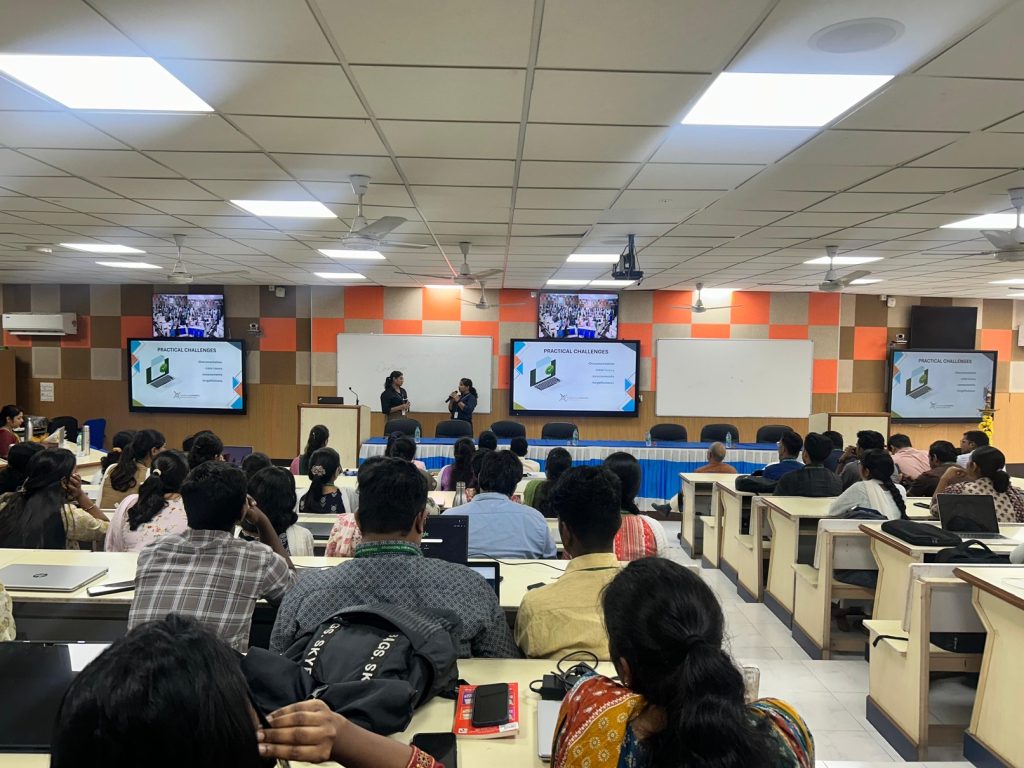
There are few moments in life that make your heart swell with pride — and for me, one such moment was stepping back into the corridors of SRM College of Occupational Therapy, not as a student this time, but as a guest speaker. Representing XceptionalLEARNING, alongside my colleague Gopika R., I had the wonderful opportunity to conduct a workshop on “The Importance of Technology-Integrated Sustainable Clinical Practice.”

Walking through the familiar campus brought back so many memories — late-night study sessions, classroom laughter, and the nervous excitement before practical exams. But this visit felt special. Coming back to share knowledge with the next generation of therapists was not just nostalgic, but deeply fulfilling.

Inauguration of the workshop on Technology-Integrated Sustainable Clinical Practice at SRM College of Occupational Therapy.

The workshop was part of SRM’s ongoing efforts to promote innovation and sustainability in healthcare. The welcome address by Dr. U. Ganapathy Sankar, Dean, set the perfect tone for the day. He spoke passionately about how embracing technology can shape the future of occupational therapy and lead to more sustainable outcomes.

Dr. U. Ganapathy Sankar delivering the welcome address.

Bringing Therapy and Technology Together

Our session took the form of an open conversation between Gopika and me — light, interactive, and full of practical insights. We began by discussing the challenges therapists often face in traditional clinical settings:

Interactive session led by XceptionalLEARNING team members Minnu Mini Mathew and Gopika R.
  • Irregular session follow-ups
  • Limited progress tracking
  • Difficulty keeping clients engaged over time

That’s where we introduced the idea of a hybrid therapy model — a blend of traditional techniques and digital innovation. We shared how this approach allows therapists to:

  • Stay connected with clients beyond clinic walls
  • Monitor progress seamlessly
  • Make therapy more structured and goal-oriented

Showcasing the XceptionalLEARNING Platform

We then demonstrated how the XceptionalLEARNING Platform empowers therapists to conduct interactive, well-structured therapy sessions using digital tools and activity books. Key features highlighted included:

  • Setting and tracking clear, measurable goals
  • Creating personalized home programs and follow-up plans for families
  • Enhancing therapist–client communication through engaging digital features

The participants were especially excited to see how these tools make therapy more accessible and consistent — bringing the seeker closer to the therapist. The room was filled with curiosity, reflection, and enthusiasm as everyone shared ideas about the future of sustainable therapy.

Reflections and Takeaways

What stood out to me most was how open the participants were to embracing change. Many shared their thoughts on how sustainability in therapy isn’t just about eco-consciousness — it’s also about building systems that are efficient, inclusive, and long-lasting.

Our discussion reaffirmed a simple truth: while technology can enhance therapy, it’s the human touch that gives it meaning.

Closing Thoughts

Representing XceptionalLEARNING at my alma mater was a moment of immense pride and gratitude. It felt like coming full circle — learning, growing, and then returning to give back.

A big thank you to SRM College of Occupational Therapy for the warm welcome, and to XceptionalLEARNING for giving me this platform to share our vision of a connected, sustainable future for therapy.

The day ended with smiles, thoughtful conversations, and a shared commitment to creating therapy environments that are innovative, inclusive, and truly sustainable.

At XceptionalLEARNING, our Hybrid Therapy Services blend expert care with innovation. Guided by the best occupational therapists, our Digital Activity Book makes every session engaging and effective. Contact us to experience smarter, connected therapy.

World Occupational Therapy Day Celebration 2025

Reading Time: 3 minutes

Written by

Gopika R

Occupational Therapist

The Department of Occupational Therapy celebrated World Occupational Therapy Day 2025 on 27th October 2025 at Angel’s Garden Therapy Centre, Ponkunnam. The event brought together parents of children with special needs and rehabilitation professionals, emphasising the theme “Occupational Therapy in Action.”

Coordinated by Dr. Elizabeth Francis (OT), Dr. Minnu Mini Mathew (OT), and Dr. Gopika R (OT, Certified in Hand Splinting), the program focused on paediatric practice, sensory integration, and empowering parents through education and practical learning experiences.

The celebration began with an introduction to the significance of World Occupational Therapy Day and its 2025 theme, highlighting how Occupational Therapy (OT) enables independence, participation, and well-being across all age groups.

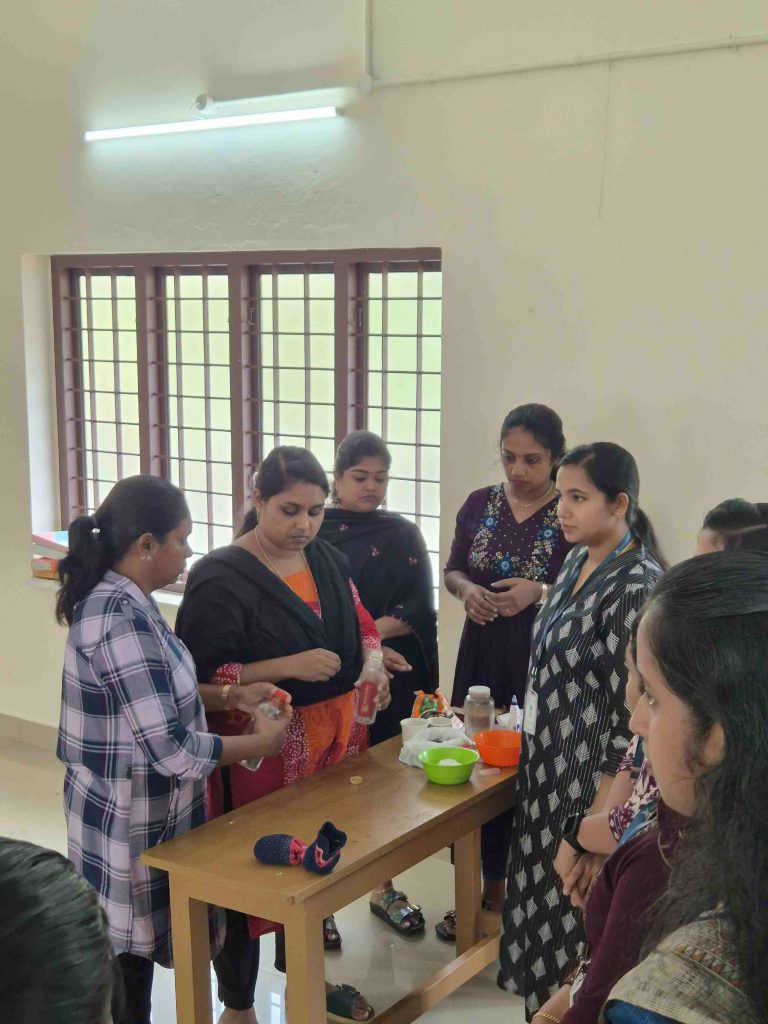
Snapshots from the World Occupational Therapy Day 2025 celebration at Angel’s Garden Therapy Centre, Ponkunnam

Dr. Elizabeth Francis opened the session with an insightful overview of Occupational Therapy, emphasising its client-centered approach and the importance of meaningful occupations in daily life. She was joined by Ms. Meenu for a joint discussion distinguishing Occupational Therapy from Physiotherapy, helping parents clearly understand how each profession uniquely contributes to a child’s holistic development.

Further deepening the focus on paediatric care, Dr. Minnu elaborated on the role of Occupational Therapists in early intervention, play-based learning, and developmental milestone support. Following this, Dr. Gopika R delivered a practical session on Sensory Integration and Sensory Adaptations at Home, where she explained the eight sensory systems and simple, low-cost ways parents can create sensory-friendly environments within their homes.

In an engaging joint session, Ms. Akshara and Dr. Elizabeth addressed the difference between sensory-related challenges and behavioural issues, guiding parents on how to identify and respond appropriately to each. A parent reflection activity followed, using a checklist to help families recognize which areas of occupation—such as play, self-care, or learning—pose challenges for their children.

One of the most interactive parts of the day was the DIY Sensory Material-Making Activity, where parents collaborated in groups to create sensory tools from everyday household materials. This hands-on session encouraged creativity, problem-solving, and understanding through direct participation.

To support continued learning, informative brochures on DIY Sensory Materials—designed by the Occupational Therapy team—were distributed to all attendees. The event also included a live demonstration by Dr. Gopika on calming techniques for children, offering parents evidence-based strategies to promote self- regulation and focus at home.

The celebration concluded with reflections, feedback sharing, and words of appreciation from both participants and organisers, marking the event as an inspiring blend of knowledge-sharing, engagement, and community collaboration.

Participants left with a clearer understanding of Occupational Therapy’s unique role, practical knowledge of sensory integration principles, and renewed confidence in supporting their children’s developmental needs.

The 2025 celebration of World Occupational Therapy Day truly embodied the spirit of “Occupational Therapy in Action”—transforming awareness into empowerment and learning into meaningful practice.

At XceptionalLEARNING, our best occupational therapists turn learning into action—empowering families through meaningful therapy. Contact us to know more.

Kinetic Sand Therapy: A New Approach to Fine Motor Rehabilitation

Reading Time: 5 minutes

Clinically Reviewed by

Minnu Mini Mathew

Pediatric Occupational Therapist

In the world of rehabilitation therapy, creative and sensory-based tools are transforming the way therapists help children and adults regain control over motor skills. One such innovation is Kinetic Sand Therapy—a tactile and engaging approach that combines play with purposeful movement. Originally designed as a sensory play material for children, kinetic sand is now proving to be a valuable tool in fine motor rehabilitation for patients of various ages. This blog explores the science behind kinetic sand, its therapeutic benefits, and how it is being integrated into modern therapy practices for improving fine motor skills.

Wondering how to apply this in real therapy sessions?

Many therapists and parents use structured digital therapy platforms like XceptionalLEARNING to support kinetic sand and other fine motor activities with measurable goal tracking, guided tasks, and caregiver feedback.

What Is Kinetic Sand?  

Kinetic sand is a specially formulated play sand that sticks together and can be molded without making a mess. It consists of 98% regular sand and 2% non-toxic polymer, which gives it a soft, stretchy, and squeezable texture. The result is a substance that behaves like wet sand but never dries out and is incredibly easy to manipulate. Its unique texture stimulates multiple senses—particularly touch and sight—making it a multisensory therapeutic tool ideal for both children and adults.

The Role of Fine Motor Skills in Daily Life  

Before exploring how kinetic sand helps, it’s important to understand the role of fine motor skills. These are the precise movements involving the coordination of small muscles in the hands, fingers, and wrists. They are essential for:

  • Writing
  • Eating with utensils
  • Buttoning a shirt
  • Tying shoelaces
  • Turning the pages of a book

Damage to fine motor function—whether from developmental delays, neurological conditions, or physical injuries—can seriously hinder daily functioning.

Why Kinetic Sand in Therapy?  

Sensory Engagement: Kinetic sand offers a rich sensory experience, which is especially beneficial for children with sensory processing challenges. The squishy, moldable texture helps:

  • Stimulate nerve endings
  • Improve tactile discrimination
  • Encourage sensory exploration

Motivation through Play: One of the biggest challenges in therapy is keeping patients engaged. Kinetic sand introduces a play-based approach, turning repetitive exercises into creative playtime. This is especially helpful for children who resist traditional therapy methods.

Strengthening Hand Muscles: Manipulating kinetic sand requires effort and coordination, helping patients:

  • Improve grip strength
  • Increase hand endurance
  • Develop pinch and grasp movements

Applications in Fine Motor Rehabilitation  

1. Pediatric Occupational Therapy  

Children with developmental disorders like Autism Spectrum Disorder (ASD), Down syndrome, or developmental delays often struggle with hand coordination. Occupational therapists use kinetic sand to:

  • Shape letters or numbers to practice pre-writing skills
  • Hide small toys in the sand to encourage pinching and digging
  • Encourage bilateral hand use by sculpting and cutting shapes
2. Stroke and Brain Injury Recovery  

Adults recovering from stroke or traumatic brain injuries can benefit from kinetic sand to:

  • Rebuild coordination between brain and hand movements
  • Practice repetitive hand motions to enhance neuroplasticity
  • Regain sensation and dexterity in affected limbs
3. Geriatric Hand Therapy  

In elderly populations, kinetic sand is used to maintain or improve hand mobility, especially in conditions like:

  • Arthritis
  • Parkinson’s Disease
  • Age-related muscle atrophy

It offers a low-resistance, engaging way to stretch stiff joints and reduce muscle tension.

Therapeutic Activities with Kinetic Sand  

Here are several therapist-recommended kinetic sand activities that target fine motor improvement:

1. Dig and Discover  
  • Objective: Improve pincer grasp and finger isolation.
  • Method: Hide beads or coins inside the sand. The patient digs with fingers or small tools to locate and extract them.
2. Shape and Sculpt  
  • Objective: Enhance strength and coordination.
  • Method: Roll, flatten, and sculpt the sand into specific shapes or letters using hands, molds, or cookie cutters.
3. Trace and Write  
  • Objective: Practice pre-writing and letter formation.
  • Method: Flatten sand into a tray and use fingers or styluses to trace letters, numbers, or simple drawings.
4. Build and Balance  
  • Objective: Develop problem-solving and bilateral hand use.
  • Method: Build towers, bridges, or objects using kinetic sand, focusing on balance and symmetry.

How Digital Support Enhances Motor Skill Gains

While kinetic sand is a powerful tool for fine motor development, combining it with structured digital tracking and goal planning helps measure progress over time and make therapy more effective. With XceptionalLEARNING, therapists and caregivers get clear insights into weekly improvements and tailored next steps.
See it in action in a demo

Scientific Backing and Research  

While kinetic sand is still an emerging tool in rehabilitation, studies in sensory therapy and fine motor training provide a solid foundation for its effectiveness.

  • Neuroplasticity and Repetition: Research in neurorehabilitation emphasizes the importance of repetition and sensory feedback for brain recovery. Kinetic sand’s tactile resistance makes each motion feel different, promoting new neural pathways.
  • Sensory Integration Theory: According to this theory, engaging multiple senses simultaneously helps organize and process sensory input more effectively. Kinetic sand supports this by stimulating touch, sight, and proprioception.
  • Play Therapy Benefits: Multiple studies have shown that play-based interventions increase motivation, reduce anxiety, and improve participation—especially in pediatric therapy.

Benefits Beyond Fine Motor Skills  

Kinetic sand doesn’t just work on the hands—it influences multiple developmental domains:

1. Cognitive Skills
  • Encourages planning and sequencing
  • Enhances problem-solving through construction play
2. Emotional Regulation
  • Acts as a calming tool for anxiety and hyperactivity
  • Helps express emotions through creative play
3. Social Skills
  • Promotes turn-taking and sharing in group sessions
  • Encourages communication when done collaboratively

How to Integrate Kinetic Sand into a Therapy Program  

1. Select the Right Environment
  • Use a shallow container or tray to contain the sand and make it easy to clean.
  • A quiet, distraction-free setting is ideal, especially for sensory-sensitive individuals.
2. Customize Activities to Patient Needs: Not every patient will benefit from the same activity. Therapists should evaluate:
  • Age and developmental level
  • Hand strength and dexterity
  • Sensory preferences or aversions
3. Monitor Progress: Use fine motor benchmarks such as:
  • Improved grip strength
  • Increased duration of activity
  • Greater control and coordination

Keep a record of weekly improvements to tailor future sessions.

Precautions and Safety Tips  

  • Always supervise children during use to prevent ingestion
  • Ensure the sand is clean and non-toxic
  • Avoid use if the patient has open cuts or skin sensitivities
  • Sanitize tools used during therapy sessions to maintain hygiene

Applied Fine Motor Therapy With Digital Tools

Therapists and parents using digital platforms for fine motor interventions — including kinetic sand and other sensory activities — report more consistent progress tracking, personalized plans, and better communication with caregivers.
Talk to our team on WhatsApp

Conclusion: The Future of Sensory-Based Therapy  

As therapy continues to evolve with a focus on patient engagement, tools like kinetic sand are gaining recognition for their ability to combine fun with function. Whether helping a child improve handwriting or aiding a senior in regaining daily function after a stroke, kinetic sand therapy is emerging as a powerful, flexible, and enjoyable method of fine motor rehabilitation.

See XceptionalLEARNING Platform in Action

If you’re interested in not just understanding kinetic sand therapy but applying it effectively with measurable progress, XceptionalLEARNING can help. Our digital platform provides guided activities, real-time tracking, and caregiver-friendly feedback loops that make fine motor therapy outcomes clearer and more consistent.

Genetic Engineering in Occupational Therapy: A New Era of Personalized Rehabilitation

Reading Time: 5 minutes

Clinically Reviewed by

Minnu Mini Mathew

Pediatric Occupational Therapist

Occupational therapy (OT) is essential for helping individuals with physical, cognitive, and developmental challenges regain independence and improve their daily living skills. While traditional OT methods have achieved great success, there remains a need for more personalized treatment plans to enhance outcomes. Genetic engineering offers an innovative solution by tailoring therapy interventions based on an individual’s unique genetic makeup. This approach can potentially improve the effectiveness and efficiency of occupational therapy, making rehabilitation more targeted and individualized. In this blog, we’ll explore how genetic engineering can revolutionize OT and provide better, faster patient results.

The Limitations of Traditional Occupational Therapy

  • A One-Size-Fits-All Approach: Traditional occupational therapy often uses standardized treatment protocols, which may not account for unique genetic factors influencing patient progress. This can lead to delayed recovery and frustration for some individuals.
  • Inconsistent Recovery Rates: Recovery varies among patients, even with identical treatments. Some show quick progress, while others experience minimal improvement, leading to frustration and decreased motivation.
  • Limited Understanding of Genetic Factors: Genetic differences significantly impact motor function, cognition, and recovery potential, yet traditional OT doesn’t fully incorporate these factors, limiting therapeutic effectiveness.

The Promise of Genetic Engineering in Occupational Therapy

What is Genetic Engineering?  

Genetic engineering involves manipulating an individual’s genetic code to alter or improve specific traits. It includes methods such as gene therapy, gene editing (like CRISPR), and genetic testing to understand a person’s DNA and tailor treatments to their needs. This emerging field has opened up new possibilities in medicine, and now, it is beginning to have a profound impact on occupational therapy.

Personalizing Treatment Based on Genetic Insights  

Genetic engineering allows for personalized occupational therapy by taking into account an individual’s genetic profile. Through genetic testing, therapists can identify specific genes that influence motor skills, cognition, and even how a person may respond to different treatments. This enables the creation of treatment plans that are better suited to the patient’s unique genetic makeup, leading to more efficient and effective therapy.

Key Applications of Genetic Engineering in Occupational Therapy

Gene Therapy for Neuroplasticity and Motor Function

Gene therapy can enhance neuroplasticity, helping the brain reorganize and form new neural connections. This can improve motor function and cognitive abilities in patients recovering from strokes, brain injuries, or neurodevelopmental disorders like autism and ADHD.

Neuroregeneration and Injury Recovery

Gene-editing technologies like CRISPR can stimulate the regeneration of damaged neurons, improving recovery timelines for patients with spinal cord injuries or brain trauma, leading to faster rehabilitation and reduced long-term disabilities.

Customizing Sensory Integration

Genetic testing can identify sensory system wiring, enabling tailored therapies for conditions like autism and ADHD. This helps target specific sensory sensitivities and improve sensory processing through personalized stimulation methods.

Predictive Genetic Screening for Early Intervention

Genetic screening can identify developmental risks early, allowing for timely interventions. By creating personalized therapy plans based on genetic insights, therapists can address issues before they escalate, leading to better long-term outcomes.

Personalized Cognitive Enhancement

Genetic engineering can help customize cognitive therapies by targeting genes involved in learning and memory. This can support patients with cognitive disorders by enhancing their ability to learn and retain information.

Optimizing Drug Responses

Genetic profiling can also help determine how individuals respond to medications, ensuring that prescribed drugs for rehabilitation are tailored to each patient’s genetic makeup, improving therapeutic effectiveness.

How Genetic Engineering Enhances Specific Therapy Areas

Gene Therapy for Neurological Rehabilitation
  • Application: Gene therapy is being explored to repair damaged neurons and promote neural regeneration in patients with neurological injuries like stroke or spinal cord injury.
  • Impact on OT: This advancement helps occupational therapists accelerate recovery by targeting neural regeneration, and improving motor coordination and sensory functions.
  • Example: A stroke patient may recover motor skills faster, allowing OT to focus on daily activities like mobility sooner.
CRISPR for Muscular Regeneration
  • Application: CRISPR technology is being studied to correct genetic mutations in conditions like muscular dystrophy.
  • Impact on OT: CRISPR helps improve muscle strength and function, allowing therapists to focus on building mobility and strength.
  • Example: Children with muscular dystrophy experience quicker muscle recovery, enabling OT to focus on strength-building exercises.
Personalized Therapy for Autism Spectrum Disorder (ASD)
  • Application: Genetic screening helps identify genetic markers related to sensory sensitivities and behaviors in children with autism.
  • Impact on OT: Therapists can design personalized sensory integration therapies and behavioral interventions.
  • Example: For a child with tactile sensitivities, therapy could focus on desensitizing touch sensitivity, and improving social interactions.
Gene Editing for Cognitive Rehabilitation
  • Application: Gene editing is being tested to enhance neuroplasticity in patients with cognitive disorders like Alzheimer’s or stroke recovery.
  • Impact on OT: By improving neuroplasticity, gene editing supports cognitive recovery, allowing OT to work on memory, learning, and daily living tasks.
  • Example: Stroke survivors benefit from cognitive improvements, enabling OT to assist with tasks like cooking and personal care.
Gene Therapy for Pain Management
  • Application: Gene therapies are being researched to reduce chronic pain from conditions like arthritis or neuropathy.
  • Impact on OT: These therapies help reduce pain, allowing therapists to focus on mobility and functional improvements without pain limitations.
  • Example: A fibromyalgia patient experiences pain relief, enabling better participation in therapy sessions.
Targeted Therapy for Developmental Delays
  • Application: Genetic screening identifies children at risk for developmental delays, enabling early interventions.
  • Impact on OT: Therapists can design targeted therapy plans based on a child’s genetic predispositions, enhancing developmental progress.
  • Example: A child with a genetic predisposition for motor impairments may receive OT interventions focused on fine motor skills development.
Sensory Processing Disorders (SPD)
  • Application: Genetic testing helps identify sensory sensitivities in children with SPD, often seen in autism or ADHD.
  • Impact on OT: Genetic insights allow therapists to create personalized sensory integration therapy plans.
  • Example: A child with auditory sensitivities may benefit from auditory desensitization therapies, helping them tolerate environmental sounds.
Stem Cell Therapy for Motor Function Recovery
  • Application: Stem cell therapy is combined with genetic engineering to regenerate nerve cells in patients with spinal cord injuries.
  • Impact on OT: Occupational therapists can use stem cell therapy to accelerate motor function recovery and improve mobility.
  • Example: A child with a spinal cord injury receiving stem cell therapy may regain motor functions faster, allowing OT to focus on improving both gross and fine motor skills.

Challenges and Ethical Considerations  

  • Technological Barriers: Genetic therapy requires advanced technology and expertise, posing a challenge for implementation in occupational therapy.
  • Limited Research: More studies are needed to understand the long-term effects of genetic interventions in therapy.
  • Privacy Issues: The use of genetic data raises concerns about patient privacy and data security.
  • Genetic Discrimination: There’s a risk of unfair treatment based on genetic information, requiring responsible use of genetic data.
  • Access Inequality: Genetic therapy may not be accessible to all due to cost or infrastructure limitations.
  • Ethical Data Use: Guidelines must ensure genetic data is used ethically and for the patient’s benefit, avoiding exploitation.

In Conclusion, Genetic engineering has the potential to transform occupational therapy by offering personalized treatment plans based on an individual’s genetic makeup. By incorporating genetic insights, therapists can accelerate recovery, improve motor and cognitive functions, and better address developmental issues. Whether enhancing recovery after injury, personalizing interventions for autism, or improving mobility in conditions like cerebral palsy, genetic engineering promises to significantly enhance therapy outcomes. As technology progresses, it will become an integral part of patient care, ensuring improved results and better quality of life for all. At XceptionalLEARNING, we utilize advanced technologies to integrate these advances into therapy plans for faster recovery and improved cognitive and motor skills. Our Digital Activity Book enhances these efforts, providing interactive exercises that fit each child’s needs. With the support of our best occupational therapists, patients can expect tailored interventions that make a significant difference in their progress. For more information or to schedule a consultation, contact us at +91 8921287775 today and explore how our professional team can optimize your therapy experience.

How Haptic Technology is Helping Children with Sensory Processing Disorders

Reading Time: 5 minutes

Clinically Reviewed by

Elizabeth Francis

Pediatric Occupational Therapist

Sensory Processing Disorder (SPD) is a condition where the brain struggles to process and respond to sensory information, making everyday experiences overwhelming for children. Haptic technology, which uses tactile feedback, is becoming a key tool in sensory therapy, helping children with SPD better process sensory stimuli. This blog explores how haptic technology aids children with SPD, its benefits, and how it’s transforming therapy practices for sensory processing challenges.

Wondering how haptic feedback and sensory regulation is implemented consistently in real therapy sessions?

XceptionalLEARNING supports therapists, schools, and parents with structured activity plans, goal-based programs, and progress tracking tools that help children achieve measurable improvements.

Understanding Sensory Processing Disorder (SPD)

Sensory Processing Disorder (SPD) occurs when the brain has difficulty interpreting sensory input, leading to overreaction or underreaction to stimuli like sight, sound, touch, taste, and smell. This can affect daily activities, social interactions, and academics.

There are three main types of SPD:

  • Sensory Modulation Disorder (SMD): Difficulty regulating responses to sensory input, either too sensitive or not sensitive enough.
  • Sensory Discrimination Disorder (SDD): Trouble distinguishing between different sensory stimuli.
  • Sensory-Based Motor Disorder (SBMD): Challenges with motor coordination, balance, and movement.

What is Haptic Technology?  

Haptic technology refers to devices that communicate with users through touch. By using vibrations, forces, and motions, these devices provide tactile feedback to users, simulating a sense of touch. This technology has been widely used in video games, virtual reality (VR), and robotics. In therapy, haptic technology creates experiences that help children with SPD process sensory input in a controlled, predictable way, providing them with a more sensory-rich environment to enhance their learning and adaptation.

How Haptic Technology Helps Children with Sensory Processing Disorders

Haptic technology provides controlled sensory input, supporting children with SPD in managing and processing sensory information. Here’s how it helps:

  • Controlled Sensory Input: Haptic feedback allows children to experience varying levels of pressure, vibration, or movement in a controlled setting, helping them regulate their sensory responses.
  • Improved Sensory Integration: By engaging multiple senses, haptic technology aids in sensory integration, helping children process sensory information and respond more effectively.
  • Focus and Attention: Haptic devices keep children engaged during therapy, improving focus and helping those with attention deficits or hyperactivity stay on task.
  • Emotional Regulation: Haptic feedback offers calming experiences, helping children manage anxiety and overstimulation, and supporting emotional stability.
  • Motor Skills Development: Haptic technology enhances fine and gross motor skills by encouraging movement and coordination through tactile sensations.
  • Reducing Sensory Overload: Gradual exposure to different sensory stimuli helps children become less sensitive to overwhelming sensations, making daily experiences more manageable.
  • Boosting Confidence: By mastering new sensory and motor challenges, children gain confidence in their ability to cope with everyday situations.

Benefits of Haptic Technology for Children with Sensory Processing Disorders

  • Increased Sensory Awareness: Haptic technology helps children become more attuned to different sensory experiences, improving their understanding of how their bodies respond to stimuli.
  • Reduced Anxiety and Stress: Soothing haptic feedback provides grounding, comfort, and predictability, helping reduce stress and overstimulation.
  • Enhanced Communication Skills: For non-verbal children or those with difficulty expressing themselves, haptic technology offers an alternative form of communication through tactile feedback.
  • Improved Social Interaction: By providing enjoyable, interactive sensory experiences, haptic technology boosts social engagement, helping children connect with peers and adults.
  • Boosted Confidence: Children gain confidence as they master new sensory and motor challenges, improving their self-esteem and ability to navigate the world.
  • Better Emotional Regulation: Haptic feedback helps children regulate emotions by providing calming sensations, and improving emotional stability in overwhelming situations.
  • Increased Focus and Attention: Haptic devices help children stay engaged during tasks, improving attention span and focus in therapy and learning environments.
  • Customized Therapy: With adjustable levels of feedback, haptic devices can be tailored to each child’s specific needs, ensuring a personalized approach to therapy.
  • Improved Motor Coordination: Haptic technology helps children refine their motor skills by engaging them in activities that require precise movements and coordination, benefiting both fine and gross motor skills.
  • Enhanced Physical and Mental Well-Being: Regular use of haptic technology can improve both physical (motor skills, balance) and mental (emotional regulation, focus) well-being, contributing to an overall sense of wellness.

Bridge Theory With Structured Digital Support

Real progress happens when therapeutic strategies are supported with consistent routines and measurable tracking. With XceptionalLEARNING, caregivers and professionals can monitor development, align goals, and ensure continuity beyond sessions.

Real-World Applications of Haptic Technology in SPD Therapy

  • Haptic Feedback in Virtual Reality Therapy: Children interact with VR environments while haptic devices provide tactile feedback like pressure and vibration, helping them confront sensory challenges in a controlled space.
Example: A child feels the sensation of sand or water in a calming beach environment.
  • Wearable Haptic Devices: Vests, wristbands, or gloves provide continuous tactile feedback, helping children regulate sensory input by simulating textures, temperatures, or pressures.
Example: A vest provides calming pressure to help a child with hypersensitivity.
  • Interactive Sensory Rooms: Rooms with haptic-enabled surfaces provide tailored tactile feedback, helping children engage with their environment without feeling overwhelmed.
Example: A child feels vibrations on a floor mat as they step, creating a soothing experience.
  • Haptic Feedback in Educational Games and Apps: Apps with haptic feedback enhance multisensory learning, combining visual, auditory, and tactile cues to keep children engaged and improve motor skills.
Example: A child feels a vibration when answering a question correctly in a learning game.
  • Haptic Sensors in Therapy Toys: Toys with embedded haptic sensors provide feedback during play, improving sensory processing and motor skills.
Example: A toy vibrates when squeezed, helping children regulate their tactile sensitivity.
  • Smart Clothing for Sensory Regulation: Smart clothing adjusts pressure or vibration to help children manage sensory sensitivities in various environments.
Example: A vest provides gentle pressure to help a child feel more comfortable in a crowded space.
  • Interactive Touch Screens: Touch screens with haptic feedback enhance learning by providing tactile sensations with every interaction.
Example: A child feels a vibration when tracing a letter, improving hand-eye coordination.
  • Haptic Footwear for Balance and Coordination: Shoes with haptic sensors offer tactile feedback, helping children improve balance and motor coordination.
Example: A child feels vibrations when their posture is misaligned, guiding their movement.

These applications use haptic technology to create customized sensory experiences, supporting children with SPD in managing their sensory challenges effectively.

The Future of Haptic Technology in Sensory Processing Therapy

  • Personalized Sensory Feedback: Devices will adjust based on individual sensory needs, offering more tailored experiences.
  • AI and Machine Learning Integration: AI will help track progress and adapt therapy to optimize results for each child.
  • Multisensory Therapy: Future haptic devices will combine touch with other sensory inputs like sound and sight for a richer therapeutic experience.
  • Wearable and Continuous Support: Wearable technology will provide ongoing sensory support, helping children in everyday situations.

Haptic technology is advancing to offer more personalized, accessible, and effective therapy solutions for children with SPD.

Applying Therapy With Digital Structure

Combining therapy techniques with digital structure helps improve clarity, consistency, and collaboration between therapists and families, leading to better outcomes for children.
WhatsApp our team

In Conclusion, Haptic technology is transforming therapy for children with Sensory Processing Disorders by offering controlled, customizable sensory experiences that improve sensory processing, emotional regulation, and motor skills. As the field advances, haptic tools will continue to help children thrive in therapy and daily life.

See XceptionalLEARNING Platform in Action

If you are looking for ways to turn therapeutic insights into measurable, trackable progress for your child or students, XceptionalLEARNING can help. Our digital platform offers guided therapy-aligned activities, progress dashboards, and caregiver-friendly tools that transform therapy into consistent daily practice.

The Benefits of Therapeutic Gardening in Horticultural Therapy for Occupational Therapy

Reading Time: 5 minutes

Clinically Reviewed by

Minnu Mini Mathew

Pediatric Occupational Therapist

Horticultural therapy, or therapeutic gardening, is an emerging and increasingly popular approach in the field of occupational therapy (OT). By engaging individuals in gardening activities, this form of therapy harnesses the healing power of nature to address a wide array of physical, mental, emotional, and cognitive challenges. Whether it’s an individual recovering from a stroke, a child with autism, or an elderly person with dementia, therapeutic gardening can offer numerous benefits. In this comprehensive blog, we will explore the multiple advantages of therapeutic gardening, its impact on occupational therapy, and how it helps individuals achieve greater well-being and functional independence.

Helping Children Grow Through Meaningful Activities

Therapeutic gardening is more than planting seeds—it helps children develop motor skills, attention, independence, and confidence through hands-on experiences.

Introduction to Horticultural Therapy and Occupational Therapy

What is Occupational Therapy?

Occupational therapy is a client-centered profession focused on helping individuals participate in daily activities, known as “occupations.” These activities can include work, self-care, leisure, and social interactions. Occupational therapists assist individuals with physical, cognitive, and emotional challenges, aiming to enhance independence and improve quality of life.

What is Horticultural Therapy?

Horticultural therapy uses gardening and plant-based activities to promote healing and improve health. It leverages the therapeutic effects of nature on both the mind and body, involving tasks like planting, caring for plants, and maintaining green spaces. When combined with occupational therapy, it supports physical, cognitive, social, and emotional well-being.

Physical Benefits of Therapeutic Gardening

Therapeutic gardening significantly improves physical health by enhancing mobility, strength, and coordination. Key benefits include:

  • Improved Fine and Gross Motor Skills: Gardening helps develop fine motor skills (e.g., planting seeds, pruning) and gross motor skills (e.g., bending, reaching, lifting), improving hand-eye coordination, muscle strength, and joint flexibility.
  • Enhanced Flexibility and Mobility: Tasks like stretching, bending, and kneeling promote joint movement, increase range of motion, and help individuals maintain independence.
  • Exercise and Weight Management: Gardening provides moderate exercise, improving cardiovascular health, stamina, and weight management.

Psychological and Cognitive Benefits of Therapeutic Gardening

Gardening also offers mental health benefits:

  • Stress Reduction and Anxiety Relief: Gardening lowers stress hormones, promotes mindfulness, and reduces anxiety, making it helpful for individuals with mental health conditions like anxiety and PTSD.
  • Improved Mood and Emotional Well-Being: Gardening improves positive emotions and a sense of accomplishment, boosting mood and emotional health.
  • Cognitive Stimulation and Memory Enhancement: Gardening engages memory, attention, and problem-solving, benefiting cognitive health, especially in older adults with dementia.
  • Building Patience and Emotional Growth: Gardening teaches patience and empathy, which is especially beneficial for individuals with ADHD or emotional challenges.

Social Benefits of Therapeutic Gardening

Therapeutic gardening enhances social interaction and community-building, especially in group settings:

  • Improved Communication and Social Skills: Gardening offers individuals with social challenges (e.g., autism, social anxiety) a non-threatening way to practice communication. Tasks like planting together promote teamwork, sharing, and problem-solving, all vital social skills.
  • Sense of Community and Belonging: Gardening cultivates a sense of connection and belonging, especially for those feeling isolated. It provides opportunities for emotional support and relationship-building within a group, promoting social inclusion.

See Interactive Therapy in Action

Just as gardening encourages learning through participation, digital therapy tools can provide structured, engaging activities that promote skill development and progress tracking.

See how digital therapy works in real sessions and discover innovative ways therapists support children through interactive learning experiences.

Benefits for Specific Populations in Occupational Therapy

Therapeutic gardening benefits specific groups in occupational therapy:

  • Children with Developmental Disabilities: Gardening helps children with autism, ADHD, or sensory processing disorders improve motor skills, attention, and cognitive abilities, offering structure and sensory input.
  • Elderly Individuals with Dementia and Alzheimer’s: Gardening stimulates memory, cognitive function, and mood, helping older adults stay mentally active and connected while reducing confusion and depression.
  • Individuals Recovering from Injury or Surgery: Gardening aids physical rehabilitation by improving strength, flexibility, and coordination, while also developing emotional recovery through enjoyable, rewarding tasks.

Therapeutic Gardening Programs and Techniques

In occupational therapy, horticultural therapy can be tailored to individual needs. Key programs include:

  • Sensory Gardens: Designed to stimulate all five senses through plant selection, texture, color, smell, and sound. Ideal for those with sensory processing issues or cognitive impairments.
  • Community Gardening Projects: Group activities that promote teamwork, social interaction, and a sense of belonging, helping individuals improve social skills.
  • Indoor Gardening and Greenhouses: For individuals with limited outdoor space, these setups offer accessible and therapeutic gardening opportunities regardless of location or mobility.

Integration of Horticultural Therapy into Occupational Therapy

Horticultural therapy can be integrated into occupational therapy sessions by aligning it with individualized treatment plans. Some ways to incorporate gardening into occupational therapy include:

  • Collaborative Approach: Working with a multidisciplinary team, including horticultural therapists and occupational therapists, to create tailored therapy programs based on the individual’s goals and needs.
  • Home-Based Gardening: Encouraging individuals to incorporate gardening into their daily lives can help maintain therapeutic benefits at home, promoting long-term well-being and self-care.
  • Focus on Specific Functional Goals: Therapeutic gardening can target specific skills, such as improving hand strength, building social skills, or enhancing cognitive abilities, based on the goals outlined in the individual’s therapy plan.

Challenges and Considerations in Therapeutic Gardening

Horticultural therapy faces some challenges:

  • Physical Limitations: Mobility or sensory impairments may require modifications like raised beds or adaptive tools.
  • Environmental Factors: Weather, space, and accessibility may limit outdoor gardening; indoor or greenhouse alternatives help.
  • Allergies and Sensitivities: Plant allergies or sensitivities require careful selection and therapist guidance.
  • Emotional Readiness: Emotional challenges may affect engagement and require therapist support.

Future Directions

  • Technological Integration: Virtual gardening and apps could expand access and enable remote participation.
  • Research and Evidence-Based Practices: Ongoing studies will enhance the effectiveness of therapeutic gardening.
  • Expansion into New Settings: Therapeutic gardening may expand into schools, hospitals, and community centers for broader accessibility.

Supporting Development Through Purposeful Activities

Occupational therapists often use meaningful activities to build everyday skills. Combining evidence-based approaches with technology can create even more opportunities for learning and growth.

Talk to our team to explore therapy resources, digital activity tools, and solutions designed to support children’s development.

Conclusion

Therapeutic gardening or horticultural therapy, is a powerful tool in occupational therapy, promoting physical healing, cognitive growth, emotional regulation, and social connections. Whether in rehabilitation centers or private homes, it offers a holistic approach to well-being. For occupational therapists, gardening helps clients improve physical function, reduce stress, boost mood, and enhance cognitive skills, all while connecting with nature. It’s a simple yet effective way to support health and recovery. At XceptionalLEARNING, we amplify these benefits with our innovative Digital Activity Book, designed to complement therapy practices like horticultural activities.

Cultivating Skills for a Brighter Future

Whether through gardening, play-based learning, or technology-supported interventions, meaningful activities help children build confidence, independence, and essential life skills. Request a free demo to discover how digital therapy and special education solutions can support children’s learning and development.

Creating Personalized Therapy Plans and How Occupational Therapists Adapt to Individual Needs

Reading Time: 5 minutes

Clinically Reviewed by

Elizabeth Francis

Pediatric Occupational Therapist

Occupational therapy (OT) is a powerful and dynamic field vital in improving the quality of life for individuals facing physical, cognitive, or emotional challenges. The hallmark of occupational therapy is its ability to create personalized therapy plans that are tailored to meet the unique needs of each individual. These plans not only focus on the immediate goal of improving functionality but also empower individuals to lead more independent and fulfilling lives. In this blog, we’ll explore how occupational therapists design personalized therapy plans and adapt them to the unique needs of each individual. We will also look at how therapists use different techniques, assessments, and tools to address various conditions, from developmental delays to adult rehabilitation.

Understanding Occupational Therapy  

Occupational therapy is a client-centered health profession that aims to help individuals of all ages engage in meaningful activities or “occupations” of daily life. These activities can include tasks such as dressing, cooking, working, playing, or studying. When an individual faces limitations due to injury, illness, or developmental issues, occupational therapists work with them to restore or enhance their ability to perform these tasks. Unlike other types of therapy, occupational therapy takes a holistic approach by addressing physical, psychological, and social factors that may be affecting the person’s ability to function. The ultimate goal is to support individuals in achieving their highest level of independence, whether that means regaining lost skills or developing new coping strategies.

Key Elements of Personalized Therapy Plans  

Personalized therapy plans are designed to address the unique needs of each individual. Below are the key components that make up an effective therapy plan:

Comprehensive Assessment  

A thorough evaluation helps identify an individual’s strengths and challenges.

  • Physical Assessment: Measures strength, mobility, and motor coordination.
  • Cognitive Assessment: Evaluates memory, planning, and task organization.
  • Sensory and Motor Skills Assessment: Assesses sensory processing and fine motor abilities.
Setting Realistic and Achievable Goals  
  • Therapists work with individuals to set SMART goals—Specific, Measurable, Achievable, Relevant, and Time-bound—that are aligned with their abilities.
  • Individualized Goals: Tailored to the person’s needs, such as improving motor skills or self-care tasks.
Tailoring Interventions to Specific Needs  

Therapists customize interventions to help clients achieve their goals.

  • Adaptive Strategies: Modifications to the environment or task, like using special grips.
  • Skill-Building Activities: Exercises to improve coordination, strength, or flexibility.
  • Assistive Technology: Devices to aid in daily tasks, such as speech-generating tools.
Creating a Functional and Measurable Plan  

A detailed plan is created, breaking down goals into short-term and long-term objectives.

  • Short-Term Goals: Immediate milestones to track progress.
  • Long-Term Goals: Broader, overarching goals to work toward.
Collaboration with Family and Caregivers  

Caregivers are actively involved in reinforcing the therapy process outside of sessions.

  • Educating Caregivers: Teaching them how to support therapy at home.
  • Encouraging Involvement: Caregivers help track progress and participate in exercises.
Regular Reevaluation and Adjustment  

Therapists regularly monitor progress and adjust the therapy plan as needed.

  • Monitoring Progress: Tracking achievements and making changes based on results.
  • Adjusting Interventions: Introducing new challenges as the individual improves.

Each element of the therapy plan is designed to ensure that the individual’s unique needs are met, enabling them to achieve their personal goals as effectively and efficiently as possible.

How Occupational Therapists Adapt to Individual Needs  

Every individual’s therapy needs are unique, and occupational therapists excel in adapting their approaches to meet the varying needs of their clients. Let’s explore how occupational therapists make these adaptations:

Adjusting for Different Ages and Life Stages  

One of the primary ways therapists adapt therapy plans is by considering the individual’s age and developmental stage. For instance:

  • Pediatric clients: Occupational therapists may focus on developing motor skills, sensory processing, and social interaction in children. Therapy could include play-based interventions, structured activities, or school-based support.
  • Adults and elderly clients: Occupational therapists may focus on helping individuals regain or maintain independence in daily activities, such as driving, cooking, or personal care, following an injury, illness, or stroke.

The therapy plan is adjusted to suit the client’s stage in life, addressing both their immediate and long-term needs.

Adapting to Cognitive and Emotional Needs  

Occupational therapy is not just about physical rehabilitation. In many cases, emotional and cognitive challenges play a significant role in a person’s ability to function. Occupational therapists are trained to assess and adjust therapy plans to address cognitive impairments or emotional difficulties. This may involve:

  • Cognitive therapy: For individuals with memory impairments, like those with Alzheimer’s disease, therapists may focus on techniques that improve memory, concentration, and organizational skills.
  • Behavioral interventions: For clients with emotional challenges, such as anxiety or depression, therapists may incorporate strategies like relaxation techniques, mindfulness, or coping mechanisms into the therapy plan.
Cultural and Contextual Sensitivity  

Therapists are aware that cultural and contextual factors play a significant role in therapy outcomes. A therapy plan must be adaptable to accommodate different cultural values, personal preferences, and home environments. For example:

  • A therapy plan for a family from a rural area may need to focus on exercises that can be done at home, using everyday objects, due to limited access to specialized equipment.
  • For a client from a different cultural background, the therapist may need to ensure that the interventions align with cultural norms and preferences, such as incorporating family values into the rehabilitation process.
Addressing Complex Needs  

Some individuals present with multiple conditions that complicate therapy. For example, a child with cerebral palsy may also have intellectual disabilities. In such cases, the therapist adapts their approach to address both physical and cognitive needs, often collaborating with other professionals like speech-language pathologists, physical therapists, or psychologists to create a comprehensive therapy plan.

Incorporating Technology and Innovations  

As technology continues to advance, occupational therapists now have access to a wide range of digital tools, apps, and devices that can be incorporated into therapy plans. For example:

  • Virtual reality (VR): Therapists can use VR to help patients with stroke rehabilitation or anxiety disorders by creating realistic scenarios that practice real-life situations.
  • Assistive technology: Tools like speech-to-text software, mobility aids, and adaptive devices make daily tasks more manageable for individuals with disabilities.
  • Teletherapy: Some therapists offer virtual sessions, providing more accessibility for individuals who are unable to attend in-person sessions.

In Conclusion, Creating personalized therapy plans is central to occupational therapy, where therapists design individualized plans based on each client’s needs. These plans are adaptable, evolving with the client’s progress. Whether working with children, adults recovering from injuries, or seniors managing chronic conditions, occupational therapists help individuals regain independence and improve daily functioning. Through assessments, goal setting, tailored interventions, and ongoing adjustments, therapists support clients in achieving a better quality of life.

XceptionalLEARNING offers an advanced Occupational Therapy Platform designed to provide personalized therapy plans for all ages. Our Digital Activity Book features engaging, interactive exercises that enhance motor skills, cognitive abilities, and more. Contact us today for a demo and see firsthand how we can help you or your loved ones achieve greater independence and improved quality of life. With the guidance of the best occupational therapists, our team ensures every session is tailored to meet your needs. Experience the future of therapy with XceptionalLEARNING!

See XceptionalLEARNING Platform in Action

Create more structured, personalised therapy plans with XceptionalLEARNING—designed to help therapists plan goals, organise interventions and monitor progress more effectively.

Smart Glasses: A Game-Changer for Virtual Therapy in Occupational Rehabilitation

Reading Time: 5 minutes

Clinically Reviewed by

Elizabeth Francis

Pediatric Occupational Therapist

In recent years, the rise of virtual therapy has transformed the landscape of occupational rehabilitation. Traditionally, rehabilitation for individuals recovering from injuries or dealing with physical and cognitive challenges required in-person sessions. However, technological advancements like smart glasses are now revolutionizing how virtual therapy is delivered. These wearable devices offer immense potential to enhance therapy, making it more personalized, accessible, and effective. This blog explores the role of smart glasses in occupational rehabilitation and why they represent a game-changer in virtual therapy.

The Evolution of Occupational Rehabilitation

Occupational rehabilitation helps individuals regain skills for daily living and work after physical or mental impairments. Traditionally, this involved one-on-one sessions with therapists using exercises, task simulations, and skill-building activities. While effective, these methods face challenges like limited therapist access, high costs, and geographic barriers. With digital tools like teletherapy and virtual reality (VR), rehabilitation has become more flexible. However, smart glasses take this further by integrating augmented reality (AR) and real-time data collection. Unlike VR, which creates a fully virtual environment, AR overlays digital information onto the real world, allowing patients to interact with their surroundings while receiving enhanced virtual assistance.

What Are Smart Glasses?  

Smart glasses are wearable devices that resemble regular eyeglasses but include integrated technology such as sensors, cameras, and heads-up displays. These features allow the glasses to project digital content into the wearer’s field of view while maintaining a connection to their real-world environment. Smart glasses can connect to the internet, track user movements, and offer feedback through visual and auditory cues, making them highly versatile for various applications, including rehabilitation.

Key Features of Smart Glasses for Therapy:  
  • Real-time Feedback: Smart glasses can provide instant feedback to users during therapy exercises, helping them make adjustments in posture, movement, or technique.
  • Augmented Reality Overlays: AR overlays allow patients to see digital prompts, task instructions, or guidance directly in their line of sight, enhancing their engagement.
  • Remote Monitoring: Therapists can monitor patients’ progress in real-time, even if they are not physically present.
  • Hands-Free Use: Since smart glasses are worn, users have full mobility and can perform tasks without holding or interacting with external devices.

Smart Glasses in Virtual Therapy: Key Benefits

Smart glasses are revolutionizing occupational rehabilitation by enhancing engagement, personalizing therapy, and making treatment more accessible. Here’s a concise look at how they bring significant improvements to therapy:

  • Enhanced Engagement and Motivation One major challenge in occupational therapy is maintaining patient interest, especially when progress feels slow. Smart glasses, with augmented reality (AR) overlays, introduce interactive, game-like elements to therapy. Patients can perform real-world tasks, like reaching for objects or dexterity exercises, while receiving instant visual feedback or rewards via the glasses. This gamified approach boosts motivation and keeps patients actively engaged in their recovery.
  • Personalized Therapy Plans Smart glasses allow therapists to create highly customized therapy plans. By using built-in sensors to track a range of motion, speed, and accuracy, therapists can monitor a patient’s performance in real-time. This data enables therapists to adjust exercises on the fly, tailoring difficulty levels to match the patient’s capabilities. Whether recovering from an injury or improving dexterity, smart glasses ensure that therapy is specific to individual needs and encourages gradual improvement.
  • Real-time Progress Tracking Traditionally, therapists rely on observations and notes to assess patient progress, which can sometimes be subjective. Smart glasses change this by offering precise data through motion sensors, eye-tracking technology, and cameras. This provides an objective and accurate view of the patient’s movements, allowing for real-time adjustments. If a patient struggles with an exercise, therapists can modify it instantly, leading to faster and more responsive rehabilitation.
  • Improved Accessibility for Remote Patients Accessing quality occupational therapy is often difficult for patients in rural or underserved areas. Smart glasses, integrated with virtual therapy platforms, solve this issue by enabling remote therapy sessions. Patients can complete therapy exercises at home, while therapists monitor their progress and provide real-time guidance through the glasses. This eliminates the need for frequent clinic visits and ensures that even patients with mobility challenges or those recovering from surgery can receive continuous therapy.
  • Hands-Free Interaction A key advantage of smart glasses is their hands-free functionality. Unlike tablets or smartphones, which require manual interaction, smart glasses allow patients to perform therapy exercises without interruption. Visual cues, instructions, or corrections are displayed directly in the glasses, ensuring that patients remain fully immersed in their tasks. This seamless, hands-free experience enhances the overall effectiveness of therapy and improves patient satisfaction.

In summary, smart glasses are transforming occupational rehabilitation by increasing engagement, personalizing therapy, and improving access. They provide real-time data and hands-free interaction, making therapy more dynamic, efficient, and enjoyable for patients.

Potential Applications of Smart Glasses in Occupational Rehabilitation  

  • Stroke Rehabilitation: For stroke survivors, regaining mobility and cognitive function is a critical part of the rehabilitation process. Smart glasses can play a vital role by guiding patients through specific exercises designed to retrain the brain and body. AR overlays can provide visual prompts to improve balance, coordination, and muscle memory, while the glasses’ real-time feedback helps therapists monitor recovery.
  • Cognitive Rehabilitation: Smart glasses are not only useful for physical rehabilitation but also for cognitive therapies. For patients recovering from traumatic brain injuries, memory issues, or cognitive impairments, smart glasses can offer AR-based memory exercises, attention training, and problem-solving tasks. Therapists can use these devices to create immersive scenarios that challenge patients while providing real-time feedback.
  • Gait and Mobility Training: Gait training, often required for individuals recovering from lower-body injuries or surgeries, can also be enhanced with smart glasses. Patients can receive step-by-step guidance on how to walk, correct posture, or avoid improper movements. Sensors within the glasses track their gait patterns, and the device provides instant feedback if the patient needs to adjust their technique. This can significantly reduce recovery time and enhance the quality of rehabilitation outcomes. 
  • Ergonomics and Workplace Training: For individuals returning to work after an injury, occupational rehabilitation often involves retraining them on ergonomically safe practices. Smart glasses can assist by providing real-time ergonomic assessments as patients perform work-related tasks. For example, if a worker needs to lift objects, the glasses can monitor their posture and provide instant feedback on how to lift safely to avoid re-injury.

Challenges and Considerations  

While the potential of smart glasses in occupational rehabilitation is vast, there are challenges to consider. First, the cost of smart glasses and related infrastructure may be prohibitive for some clinics or patients. Ensuring widespread access to these devices requires investment and support from healthcare systems and insurers. Additionally, while AR technology has made significant strides, there is still a learning curve for both patients and therapists. Training may be required to ensure proper use of the technology, and therapists must adapt their treatment plans to integrate AR features effectively.

The Future of Smart Glasses in Rehabilitation  

As technology continues to evolve, the future of smart glasses in occupational rehabilitation looks promising. With advances in artificial intelligence (AI), machine learning, and sensor technology, smart glasses could become even more intuitive and effective in tailoring therapy to individual needs. AI-driven analytics could predict patient outcomes, suggest interventions, and refine therapy plans automatically. Moreover, as AR technology becomes more affordable and accessible, smart glasses could become a standard tool in rehabilitation clinics worldwide, making high-quality therapy more available to those who need it.

In Conclusion, Smart glasses are poised to transform the field of occupational rehabilitation by offering an innovative, accessible, and personalized approach to virtual therapy. From enhancing patient engagement to providing real-time data and remote access to therapists, these wearable devices are a game-changer for both patients and practitioners. As technology continues to advance, the integration of smart glasses in rehabilitation programs will only increase, providing new opportunities for recovery and improved quality of life.

At XceptionalLEARNING, we empower both patients and therapists with cutting-edge tools through our state-of-the-art Occupational Therapy Platform. Featuring a Digital Activity Book and customized therapy resources, our platform enables the best occupational therapists to provide personalized, highly effective care. Ready to see how our solutions can enhance your therapy practice? Contact us today for a demo and explore how our innovative technology can transform and improve your rehabilitation services.

Explore Digital Therapy Solutions with XceptionalLEARNING

Technology such as smart glasses can expand the possibilities of occupational rehabilitation. XceptionalLEARNING supports therapists with structured digital tools, guided activities and progress monitoring to extend therapy beyond individual sessions. Explore how XceptionalLEARNING can support your therapy practice or book a demo today.